Bill Burr: ‘I Didn’t Want to Be the Angry Guy’
The comedian talks about his emotional transformation through shrooms and therapy, his latest acting job in The Social Reckoning, getting roasted by his kids, and the state of Amer…
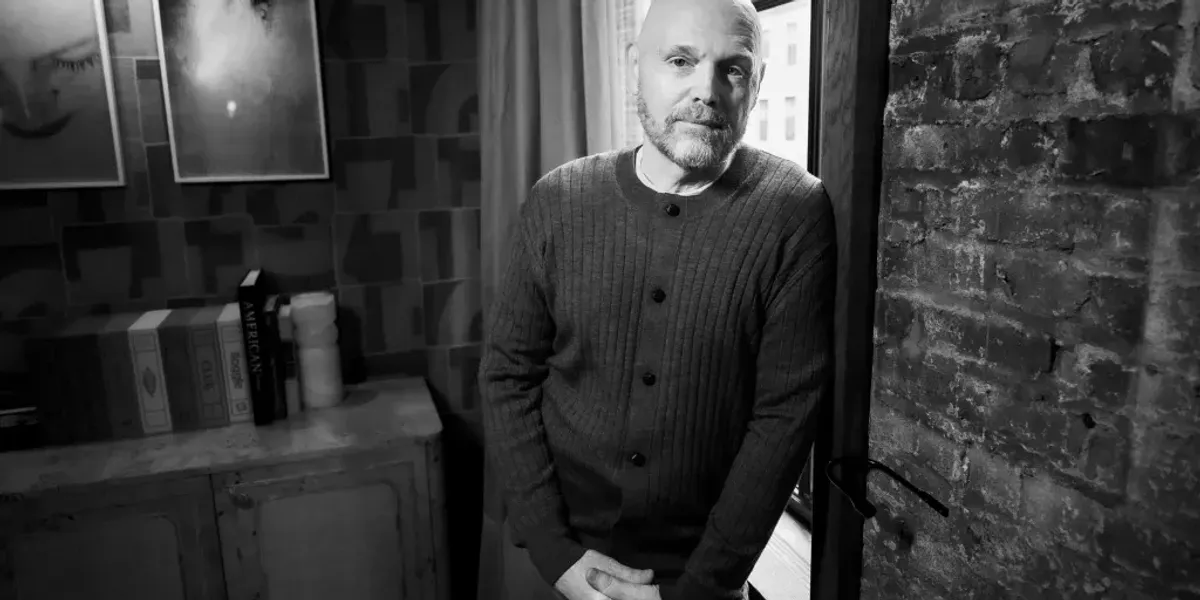
The comedian talks about his emotional transformation through shrooms and therapy, his latest acting job in The Social Reckoning, getting roasted by his kids, and the state of America
Bill Burr would like to make one thing crystal clear: He never wanted to be “the angry guy.â€
Oh, the legendary stand-up knows that he has a reputation as someone who can rage with the best of them. His unparalleled ability to vent his spleen onstage and on his twice-weekly Monday Morning Podcast, which Burr started way back in 2007, has long fueled his popularity. “Believe me, dude,†the 58-year-old comedian says, “I can blow my top like anybody. I can still lose my shit. I’ve got 50-something years of practice of that.â€
But Burr has been working on himself a lot over the past few years. And while there is no shortage of things that still make him mad — social media, tech billionaires, your everyday displays of blatant hypocrisy, the whole left-versus-right thing — he has finally mastered the art of anger management, as well as letting go of a lot of the pain behind it. Part of this change was spurred by a mind-blowing mushÂroom trip Burr took in the early 2020s, which he memorialized in his seventh comedy special, Live at Red Rocks. Part of it was the result of therapy, which Burr has credited with saving his life. Part of it involves his loved ones and realizing that he had accidentally become the very person he vowed to never be.
And part of it, as Burr will confess during our hour-plus conversation, was an unexpected moment of clarity that happened when he was preparing for his role in The Social Reckoning, writer-director Aaron Sorkin’s return to the world of Facebook, some 16 years after he helped give the world The Social Network. Burr’s character, a composite of several longtime investors, is worried that Mark Zuckerberg (played with characteristic intensity by Jeremy Strong) isn’t taking a whistleblower and a series of Wall Street Journal exposés seriously enough. Coming on the heels of his turn in the all-star Broadway revival of Glengarry Glen Ross last year, it’s a great example of both Burr’s facility as an ensemble player and his ability to parlay his comic persona into a legitimate acting career. But there was an added benefit: A spontaneous crying jag while rehearsing lines prompted Burr to finally address decades’ worth of issues and become a much happier version of himself.
Yes, Burr still blows gaskets — but on a scale of one to 10, he’s no longer “coming in at an eight because someone got my dinner order wrong.†Yes, Burr is still hilarious — probably more than he’s ever been, both in his own estimation and gauging by the dozens of record-breaking, sold-out shows he’s played everywhere from Boston to London to Greece. No, he hasn’t lost his edge, even if he knows he’s lost some fans who expect him to be a misanthrope 24/7. But as he’s been touring his latest stand-up hour around the U.S., he’s now dedicated to countering the divisiveness he believes is tearing this country apart. Enough with the angry guy. “I want to be the meet-in-the-middle guy,†Burr says.
The Social Reckoning is not a follow-up to The Social Network, exactly. But it’s Aaron Sorkin, it’s about Facebook …Yeah, it’s about a whistleblower that was working at Facebook. When it started to go sideways, she reached out to somebody at The Wall Street Journal, which caused all of this internal strife with the company. It put some information out there that people needed to know. Social media platforms are [still] new. We’re just seeing the fallout of them now. It started off as fun and silly, and then it got monetized, and then it just got evil.
One minute you’re using it to talk to an old high school buddy. The next, somebody’s being dragged before Congress to talk about why Instagram is evil for teenage girls.That is kind of what happened. The internet’s this crazy place. I don’t understand why you can’t say curse words on TV, but you can post whatever you want on the internet, and there’s no rules of libel or slander and all of this stuff. And now with AI, everybody is just like, “Well, you know, it’s here … so you just have to deal with it.†It’s weird.
Who asked for this AI wave?Nobody. Nobody wants it. That’s the thing. Maybe CEOs want AI because they don’t want to pay anybody. They’ve never wanted to pay anybody. But we’re too busy yelling at each other about red ties and blue ties, so we don’t realize we’re on the same team.
So if you’re in an ensemble with an actor who’s maybe got a certain process, a certain way that they need to kind of get into a scene …[Laughs.] Uh-huh.
How do you work with somebody who needs to approach things in their own specific way?Everybody’s got a process. And if their process starts spilling over to your cup, you gotta let them know that doesn’t go in this cup. You go drink your shit over there. Whatever the fuck you need to do.
Why are you laughing? It’s like you think I’m referring to someone in particular.You know what? I’m going Henry Hill. “I’m just listening.†I’m just listening [laughs].
The Social Reckoning is getting into this stuff that you’ve been talking about in your act for the past few years — the lack of accountability, how the media works, the way tech is taking control of our lives. Did this seem like a natural extension of what you’ve been doing onstage?It’s way deeper. You know, I’m a stand-up. I’m joking around. But we live in a world where if somebody tells their version of the truth of what’s going on, it’s like they’re trying to escape Russia in the Eighties. It’s insane. [Facebook] is an American company that seems to function like the CIA, which is really sort of indicative of you’re doing something wrong.
I mean, if you look at the response to the Luigi [Mangione] thing. It wasn’t “Maybe we need to look at what we’re doing if it makes some crazy person do this.†[Healthcare executives’] response was to take their faces off of the internet and get security. It’s like, “You don’t think you need to examine this? You’re just the CEO of a business. Why do you need this level of security?â€
Even just touring as a comic, I’ve seen it change. It used to be we hated the Russians. Now it’s like, Texas hates California, California hates Texas. These people hate Florida. Everybody hates New York. It’s like, “Guys, same teams. We’re on the same teams here.â€
Right!I was talking about that ICE stuff onstage, talking about my people, white people. We’re not nearly as upset as we need to be, because we don’t see ourselves going into the van. I go, “Who do you think’s going in the van next?†And this guy in the crowd yells, “Liberals!†And I go, “Did you just say liberals?†Like, dude, you’re literally talking about half of your team. They’re gonna work their way back to you eventually. People think they’re in the in-group. They think they’re gonna get under the mountain or get on the spaceship. You’re not. They’re using you, and they’re making you not like me, and they’re trying to make me not like you.
Part of the impetus to start working on yourself came from an acting gig, right?Yeah, this acting gig. The Social Reckoning role.
As my therapist would say, let’s hear more about this.I was in my hotel room, getting ready to do this big scene the next day. I got about a page and a half in, and one of the lines was my character was disappointed, probably in the Mark Zuckerberg character. I said the line, and it made me choke up, like I was gonna cry. But it didn’t serve the scene. The scene was not at that emotional level. I was thinking, “What is this?†So I stopped myself, because that’s what you do as a guy. You’re not allowed to cry.
So then I went back to the top. I went through it again — and the same thing happened. And then I started freaking out, being like, “I’m gonna, like, emotionally lose it, I’m gonna look stupid, and they’re gonna fire me.†Some actors think if you’re crying that’s good. Well, not if it doesn’t call for it. It would have been bizarre. I literally just went, like, “OK, what is this?â€
What was it?It’s almost like when you’re on mushrooms and you get an answer. For some reason, I got an answer, and I realized the way that I was raised, like 99.9 percent of my emotions were sort of shamed away. “That’s not what a man does.†I had basically three emotions. I navigated my life with laughing, being angry, or not giving a fuck. Everything else I just had in a vault.
But when I act, these characters feel emotions that are in the vault. So I’ve got to go in and get them, and then what happens is, like, a cry from 50 years ago sees the light and tries to run out. I had to sit there in this hotel room and cry for five minutes, and I didn’t even know why. Then the next day I went down and I did the scene, and it was totally fine. I realized, “OK, in my life I have the door closed. I need to open the door.â€
How did you start opening the door? It’s exactly what you’re talking about in your most recent special, 2025’s Drop Dead Years, where sad men are only allowed to have, like, two emotions.Yeah, that was the beginning of me starting to acknowledge other feelings. I will tell you what’s fucked up about my last special.
Go ahead.I thought that bit saying, “Why is the Ku Klux Klan still legal? Why is it that in those groups, the Proud Boys and all of them, there’s the white privilege where you can join a terrorist fucking organization?†I was thinking I’d get a lot of shit for that from racist people. Nothing. It was more people going, [mocking voice] “Do you think there’s a lot of sad men, Bill?†No one wanted to talk about the dangerous topic.
All of these years we watched [people] not do the right thing with a lot of other [countries], and now it’s happening here, and that’s why so much of the world’s like, “Well, yeah … you fucking deserve it.†But I think that we’re going to get on the other side of it.
You do?Yeah, because the one thing I think people agree with on all sides is that people don’t want to live in an oppressive, not-free society, which is what we’re going towards. Just the amount of surveillance that they have on you and I — like, we’re not John Gotti in a social club. They have this level of surveillance on us, not because of what we’re doing but because of what they’re doing. Like, why the fuck do you need to know that I just went to 7-Eleven and got a Big Gulp? I got to walk around like Joe Pesci and [Robert] De Niro in Casino now, talking to my wife in my fucking driveway? Like, what are we doing here?
So what do you think it’s going to take for a change to happen?I don’t know. It would have to be a fucking bloodbath. It would be like Braveheart, except everyone was wearing Lululemon shit.
Behind every massacre is a man in a suit, they say.Yeah. Or a robe.
Let’s go back to that anger thing. So, how soon did this happen after you had taken that first big mushroom trip, which you said helped kind of open things up?Yeah, the mushrooms helped me realize how fucked up I was. If you’re not feeling 99 percent of your feelings, how do you know that you’re sad or you’re depressed or whatever? So, the first time I took mushrooms, as they were coming on, it was the normal giggly sort of thing. And then, all of a sudden, this profound sense of sadness washed over me. So I left the room, and I was in this dark room, just, you know, having a bad trip. I started thinking about the people in my life. I’m like, “Is it my wife? No, I love her to death. Best thing that ever happened to me. I know it’s not my kids.†I just kind of went around, and then I finally ran out of stuff. And then the answer came: This is how you felt growing up. I was like, “Oh. Yep.â€
That’s heavy.Right? That bothered me. After that … I wasn’t really drinking at that point. But for like six weeks, I didn’t smoke a cigar. I didn’t do anything. I just wanted to work on myself, which is why I think that mushrooms are the best. It’s the only drug I’ve ever done that didn’t make me want to do more of it. It made me want to fix myself.
It’s funny, it’s such an East Coast thing: [Tough-guy voice] “Hey, man, don’t go out to West Coast and lose your edge.†What, don’t start enjoying my life? Don’t be a chill person to be around? In comedy, there’s this big thing of “Don’t get happy, you’re not going to be funny!†And it’s the exact opposite.
How so?You can have access to all these emotions that you can add into your act, and you can revisit topics that you were looking at through the lens of anger and rage. This whole journey of being a comedian is when I stopped doing this and started doing a little more of that. Like, “Hey, Bill, maybe chicks aren’t psychos. Maybe you’re bringing something to the party, you know?†[Laughs.] My whole view on women is changed now. I look back on all of the dumb shit that I said, it had nothing to do with how I felt. I wanted to be married. I wanted to have kids. I just didn’t know how to do it. So what did I do? I blamed what I wanted. It’s stupid. I missed out on a lot of good times, being that brooding guy with this three-quarter Donnie Brasco leather jacket, hiding in the corner.
Only Nixon could go to China, and only Bill Burr can get guys to go to therapy and deal with their shit.I know a lot of angry people that like my comedy. I want to tell them, “Look, if I can get on the other side of it, anybody can, because I was a first-ballot lunatic.†I didn’t want to be the angry guy.
Really?My whole career, it’s “Oh, you’re the angry comic.†It was always embarrassing to me. Anger was embarrassing because it reminded me of my dad, who had no control, and I used to always be like, “I’m not going to be like him.†And what happens? You’re doing exactly what he was doing. So I always felt shame. Then that would make me hate myself, which made me go darker, which made me get angrier. I didn’t know how to get out of it. It was just this spinning-down thing.
When you started to lose the anger, were you afraid you had gotten rid of your creative fuel?No, I felt liberated. Before, it was like, “You’re going to write a song on this piano — but you can only use these notes.†As opposed to, you can use the whole piano now. The best thing that happened to me, in terms of learning, was becoming a comedian. Because you learn the most through the failure of bombing. You can learn other things faster by just going into the same mindset.
When did you last bomb?Oh, recently. I was in Vegas, and I opened with that Luigi shit. Oh, my God! That ate a big dick. And then — this is what’s good about getting on the other side of my emotions. So it didn’t work, and rather than judge them and blame them, I went, “All right, I get it. You came to Vegas, you’re blowing off steam. I get it. I was wrong. I came out too hard. So … how’s everybody doing?†[Laughs.] And then, like, they were all laughing because I did, I came out guns a-blazing.
Yeah, bombing never goes away. If you’re continuing to try new jokes and push yourself, it’s a part of it. It’s like boxing. You’re gonna get punched, and it’s gonna fucking hurt. Even if you win. But you take the hit and you get back up.
You’re raising a son now, right?Yeah. I’ve got a daughter and a son.
So how are you helping him avoid some of that “men can’t cry†shit?I just let him be who he is. I let my daughter be who she is. And then I just go, “Hey, a little too much of this or that, guys! Ease up.†I expose them to all different kinds of music and sports and stuff, and I see what they gravitate towards. My wife is amazing with that. I learn a lot by watching her. And it helps that I remember what it was like to be a kid. To be scared, to not be listened to, and all of that awful stuff. I learned how to be a really good father by not doing what I saw. I remember the first time I felt it was working was when my daughter, who was probably two at the time, there was something that was upsetting to her. I was sitting on the stairs, and I said, “Well, come over here and talk to me about it.†And she walked over, and both of us just held each other’s hands. It was like … [Starts crying.] Sorry.
That’s all right. I don’t know what your growing-up situation was necessarily …It was the exact opposite of that.
It must have made you feel good to have an organic connection like that with your kid. That’s huge.Yeah! Yeah, it is. I mean, it’s funny, because my kids are not afraid of me at all, which I love. But then sometimes when I’m going, “Dude, I’ve told you three times, go to bed,†they’re still just doing a dance, thinking I’m joking around.
Are your kids funny?They’re hilarious. They roast me. Like my daughter one time, I was like, “How are you still up? Go to bed. Come on. I’ve asked you like 10 times.†I said, “This isn’t fair.†And she just goes “Life isn’t fair.†I was like, “Shouldn’t I be telling you that?†And she comes back with: “Yeah, well, you didn’t.†I was like, “Well, I lost that one†[laughs]. They’re good kids. They’re emotionally intelligent, and you know, kind of everything I’m not.
Is there an itch that acting scratches that stand-up doesn’t?Yeah. The collaborative thing. I really like working with other people and seeing what they’re gonna do. I like hearing other actors say a line and thinking, “Wow, I never would have thought to do it that way.†I’ve gotten better just watching the choices, and to see somebody fearless as an actor. The way I gravitated towards a fearless comedian, to then be like, “OK, what is being fearless as an actor?†And then seeing that, and it’s the same thing. Like, “Oh, that’s like some Dave Attell stuff, but in the acting world.â€
How did doing Glengarry Glen Ross on Broadway for a four-month run make you think differently about acting?It combined stand-up and acting. In stand-up, I say the thing, you guys react positively or negatively. I get immediate feedback, and silence is bad. On a set, silence is a good thing. If somebody doesn’t come up to you after a take, that means you did a good job. With theater, there’s feedback. And when you’re with the other actors, you’re seeing how everyone else does it and how it changes every night. It made me love theater. I was a typical sports guy. I thought theater was Cats. It’s like, I don’t want to watch a bunch of people dressed like fucking felines.
I never read plays growing up. That was for the kids that got beat up. I was trying not to get beat up in high school. So I went back and I read a bunch when we were doing Glengarry. Sam Shepard plays and The Motherfucker With the Hat. Just great stuff that made me want to do more of it.
I hear there’s a revival of Cats. You might want to look into that.No [laughs].
You started your podcast before Joe Rogan and Marc Maron started theirs, right?Before they eclipsed me, you mean? “Bill, didn’t you do a podcast before those other guys became vastly more rich and famous than you?†[Laughs.] Yeah, I was there early. I still just do it into my phone. It’s just random thoughts. I don’t have guests a lot. I got into this to have fun, and I felt when you took it to the next level with a studio, employees, guests, it became a job. Not saying I would have done what Rogan and Maron did. I just kept it my way out of laziness.
When did you feel like you first found your voice as a comic?I feel like I’m finding it now. Before, that was Traumatized Me. Fight-or-flight mode, alopecia, losing clumps of hair and shit. I was a fucking mess. That tropey sad-clown thing. How many years was I going to go up there and take out my childhood on the crowd?
When you were doing press for Drop Dead Years, you talked about how the country is divided and you wanted people to feel like they could find common ground at your show. How’s that working with the hour you’re touring now?Oh, it’s been really fun. I just did a casino gig, and it was a really MAGA crowd, and my opener was a joke making fun of Trump, and half the room laughed, and then the other half really enthusiastically booed. So I was able to go up there, and just by what I was talking about, make it what I think it’s about.
What’s it about?This is not a battle of left and right. This is the working man versus this new era of robber barons. So I just was saying we got to stop these nerds with apps. They keep fucking over the working man. But then I was able to make fun of Trump, and they’re still laughing. And then I go, to the left, “Well, you know, you can’t laugh at them. You elected Joe Biden. I mean, both of these guys should be in a fucking home.†Like, we both kind of fucked up here.
How are you judging success now?A lot of liberals don’t like me and a lot of conservatives don’t like me, which makes me feel like I’m doing something right. The extremes on both sides are pretty vocal, but I feel like the people in the middle aren’t like these butt-hurt idiots. I travel everywhere. Eighty-five percent of people are cool. They can listen to somebody. “Oh, that’s how you see it. OK, cool. You want to get a sandwich?â€
Let’s end on something less fraught. How did you get into flying helicopters as a hobby?I got into reading about the Federal Reserve, and I’m like, “The dollar could collapse at any moment. I live in L.A. I can barely get out of this city in two hours when it works. What happens when the shit hits the fan?†Up and out was the easiest way.
So this is your version of a mobile panic room?The thing about a panic room is once you go in it, you can’t get the fuck out of there. The thing I like about a helicopter … I can put one gallon of fuel in there, maybe take off and fly the pattern. But I still have to come back. I have nowhere to go. There is nowhere to go. You should stay and fight. All these fucking people moving to other countries. It’s just, like, that’s not what you do. You stay and fight.
PRODUCTION CREDITS
Grooming by EVY DREW. Styling by LAUREN PRESTON. Photo assistance by GRACE TROUTMAN. Location: LUDLOW HOUSE
As anticipation builds for what's gearing up to be one of the most important releases in entertainment this decade, Rockstar Games is giving the music of Grand Theft Auto VI its very own release.
The company announced Thursday that Grand Theft Auto VI: The Album, a 34-track collection of original songs created in partnership with Atlantic Records, will arrive November 19, the same day the highly anticipated game launches.
Six tracks have already been released, offering the first look at the unusually broad roster Rockstar has assembled for the project. The lineup includes Yung Lean with Future and Metro Boomin on "That's It," Travis Scott on "RHYNO," Morgan Wallen on "Last Thing You Need," Rauw Alejandro on "Macacoa 2000" and Rolling Stones guitarist Keith Richards on "Bright Lights, Big City."
The album also features an unexpected collaboration on "Sexy Magic," which brings together CA7RIEL & Paco Amoroso, PinkPantheress, Fred again.. and French electronic producer Etienne de Crécy. Travis Scott's "RHYNO" is produced by Guy-Manuel de Homem-Christo, the Daft Punk co-founder.
Rockstar says the 34 songs were created to capture the energy of Vice City and Leonida, the fictional Florida-inspired setting of GTA VI. The remaining 28 tracks have not yet been revealed.
Importantly, the album does not appear to represent the entirety of the game's musical universe. Rockstar says more information is still coming about GTA VI's dynamic score and what it calls the "next evolution" of in-game radio. How the 34 original songs will be incorporated into the game has not yet been fully detailed. We also do not know whether the songs we heard in the Netflix exclusive trailer will be featured in the actual game.
The album will be released digitally on November 19, with CD and vinyl editions also available. A limited-edition vinyl set will feature transparent magenta records filled with blue liquid and exclusive artwork.
Has the internet made keeping up with the ever-evolving glossary of new phrases feel borderline impossible? Don’t worry, Merriam-Webster is here to help.
The famed dictionary added 1,400 new words to its dictionary on Wednesday, many focused on internet-first phases and trends. “The new entries reflect words and meanings that have demonstrated widespread use over time, offering a window into the world today,†Merriam-Webster said in a statement, calling the adds a “glow-up†to the dictionary’s historic lexicon.
The new batch of words focus on the worlds of food, social media culture, technology, fashion, and community. These include everything from “shapewear,†“looksmaxxing,†“meme coin,†“parasocial,†“promposal,†“vibe coding,†“cuffing season,†“Sunday scaries,†“crashout,†and “California sober.†Other additions are “Rickroll,†“compute,†“yacht rock,†“whack-a-mole,†and “uncanny valley.â€
Merriam-Webster has a long established history of updating its dictionary to include modern phrases and terms introduced and used in pop culture and digital spaces. According to their public guidelines, dictionary editors pick the new additions by using three criteria: frequent use, widespread use, and meaningful use.
With the new words including major additions from the technology and communication worlds, Merriam-Webster might be providing some clues to its word of the year. The frontrunners for the annual tradition haven’t been announced yet, but the winners in years past were “slop,†“polarization,†and “authentic.â€
“New words like hashtag and selfie get a lot of attention, but many of the new words we add are new meanings of words that are already staples in our language: think of the recent meanings of mouse and cookie that have nothing to do with rodents or baked goods,†the company says on its website. “The Internet-specific senses of lurk and browse built upon the existing meanings of those terms. A verb that we use every day, access, was first entered in the Collegiate Dictionary in 1973, and a specific reference to computers was added in 1993. These words may not make headlines, but they’re just as important as words that are newly coined.â€
The following article appeared in the Oct. 25, 2001, issue of Rolling Stone.
The first thing I saw in the parking lot across Liberty Street from the South Tower was luggage. Burned luggage. A couple of cars were on fire. Half a block east, a man who’d been working out in a South Tower fitness club was walking barefoot over shards of glass, wearing only a white towel around his waist; he still had shaving cream on the left side of his face. Bits of glass were falling to the ground like hail. I ventured a block south, away from the towers, and that’s when I started seeing body parts. At first, just scattered lumps of mangled flesh dotting the road and its sidewalks, then a leg near the gutter. Someone mentioned a severed head over by a fire hydrant. Hunks of metal — some silver and the size of a fist, others green and as big as toasters — were strewn for blocks south of the buildings. Shoes were everywhere.
“Oh, Jesus,†I heard someone say. “They’re jumping.†Every few moments a body would fall from the North Tower, from about ninety floors up. The jumpers all seemed to come from the floors that were engulfed in flames. Sometimes they jumped in — one just after the other. They were up so high, it took ten to twelve seconds for each of them to hit the ground. I counted.
What must have been going through their minds, to choose certain death? Was it a decision between one death and another? Or maybe it wasn’t a decision at all, their bodies involuntarily recoiling from the heat, the way you pull your hand off a hot stove.
Moments later, a low metallic whine, quickly followed by a high-pitched whoosh, came out of the south. I looked up to see the white belly of an airplane much closer than it should have been. The South Tower of the Trade Center seemed to suck the plane into itself. For an instant it looked like there would be no trauma to the building — it was as if the plane just slipped through a mail slot in the side of the tower, or simply vanished. But then a fireball ballooned out of the top of the building just five blocks from where we stood.
People were running south down the West Side Highway toward Battery Park — the southern tip, the end, of Manhattan — and west toward the Hudson River. I ran with the crowd that veered toward the river, looking back over my shoulder at the new gash in the Trade Center. Once relatively safe among the tree-lined avenues of Battery Park City, people hugged each other and some cried.
But about five minutes later, a sharp cracking sound momentarily replaced the shrill squeal of sirens, and the top half of the South Tower imploded, bringing the entire thing down. It was the most frightened I’ve ever been. Screaming and sprinting south toward Battery Park, we all flew from the dark cloud that was slowly funneling toward us. At that moment, I believed two things about this cloud. One, that it was made not just of ash and soot, but of metal, glass and concrete; and two, that soon this shrapnel would be whizzing by — and perhaps through — my head. A woman next to me turned to run. Her black bag came off her shoulder and a CD holder went flying, sending bright silver discs clattering across the ground. An older man to my right tripped and took a face-first dive across the pavement, glasses flying off his face.
In the seconds, minutes and hours following the World Trade Center attacks, hundreds — maybe thousands — of ordinary people would find their best selves and become heroes. And then there were the rest of us, running hard, wanting only to live and to talk to someone we loved, even if it meant leaving an old guy lying in the street, glasses gone, a cloud of death and destruction creeping up on him.
I’d always wondered what I’d do in a life-or-death situation. Until that moment, I’d believed I’d do the right thing, would always help the helpless, most likely without regard for my own well-being. All across lower Manhattan at that moment, people were making similar decisions, so many of them so much more critical than mine. September 11th, 2001, at 9:45 a.m. was not my finest moment. As I turned back to help, I saw two younger guys scoop the fallen man up, and we all continued running south.
After about three blocks, I hid for a moment behind a large Dumpster on the west side of the street. But when I looked back toward the towers, I could see that my Dumpster was no match for the cloud, and I took off again. I ran the last few blocks into Battery Park, where the cloud finally did catch up with the thousands of us fleeing it. I could see only a few feet in front of me, and so I followed the silhouettes I could make out. Because Battery Park is the tip of the island, it wasn’t much of a surprise that the crowd would wind up dead-ending at the water. When it happened, the people in the front panicked. So they turned around, screamed, and ran back toward us in a stampede. We had nowhere to go — there were thousands of people behind us and hundreds coming back the other way.
As the crowd doubled back on itself, I jumped over a wrought-iron fence and landed in a flower bed. I stayed down for a second, thinking I’d wait out the panic low to the ground. But then I felt other people jumping the fence and landing near me. Thinking I was about to be trampled, I got up and ran behind a nearby tree. In a minute or two the panic subdued, and I hopped back over the fence and onto a park path. But now the air was heavier with debris and there was no clear path out of the park. I took off my tie and wrapped it around my face. People were coughing and stumbling. Some were crying, others screaming. It was difficult to breathe or even keep my eyes open.
Soon, there was another wave of calm and quiet, and the ash that fell from the sky and settled on the grass and trees gave the park the peaceful feel of a light evening snowfall. Eventually, I found a path that led me out to the east side of the Battery area, and I followed a crowd to the FDR. Thousands participated in the exodus up the highway and into Brooklyn. It was now just past ten, and we looked like refugees. In a way, we were. My tie wasn’t doing much good against the ash, so I took off my shirt and tied it around my head. We walked in the falling gray dust for fifteen minutes, still hacking, and rubbing our eyes. Then the cloud broke, and, covered in soot, we were in the sunlight again. There wasn’t a lot of talking. Some walked in groups, desperately trying to stay together. Others walked alone, crying out the names of friends, co-workers or loved ones from whom they’d been separated.
At 10:25, as I was getting ready to cross the bridge, another cracking sound came out of the west. We looked behind us and to the left to see the remaining tower collapse. Soon, that ash reached the Manhattan foot of the Brooklyn Bridge, and the bridge was closed. Three hours later, I was finally back in my apartment in Brooklyn. It was nearly one o’clock. There was a thin layer of ash all over my kitchen from the blast. I made my phone calls and cried with my fiancée. Then I called some friends who’d left messages, checking on me. I called my friend Sully in Boston, and we went through the list of names of our friends who worked in the financial district. I was one of the last to be accounted for. When we’d gotten through most of the names — Sims, Kane, T-Bone, Molloy — Sully said, “It’s not all good news. Beazo called his wife from high up in the second building to say he was OK, but she hasn’t heard from him since it fell.†Beazo — Tom Brennan to those he didn’t go to high school or college with – still hasn’t been heard from.
As it turns out, when I was watching that tower fall, I was watching my friend die. His wife was at home, in their brand-new house in Westchester County, amid their still boxed-up life. She’d already turned off the TV when Beazo’s building collapsed. Their seventeen-month-old daughter is too young to have seen the images of her father’s death, but someday — maybe on a distant anniversary of September 11th when each network commemorates the tragedy — I’m sure she’ll be able to see it, along with her little brother or sister who is due in two months.
I hung up with Sully and turned on the television to see what I had seen. Places where I once ate lunch or shopped for a sweater or bought stamps were now buried under piles of concrete and metal, as were thousands of people – some of whom I probably rode the subway with every day. One of whom was my friend.
Since then, I’ve been freakishly fine, given what I’d seen. Maybe it’s because I realize how lucky I was — my experience was like Christmas morning compared to what other people went through. Maybe it’s because I lack the imagination, or the will, to realize the scope of what I’d seen. But sadness works in bizarre ways. The second night after the attack, I sat in front of the news, alone with my eighth or ninth beer, and I listened to a report about NFL officials considering a postponement of the second week of games. I thought about what a nice gesture that would be, and I cried and cried.
The Great Outdoors Comedy Festival has postponed its debut, just days before John Mulaney was scheduled to headline the Mississauga, Ontario event.
The festival was set to take over Erindale Park from September 11 to 13, with Mulaney, Hasan Minhaj, Ronny Chieng, Jeff Arcuri and many others on the bill. Instead, organizers announced yesterday that the entire weekend would be postponed, without providing a specific reason.
“After careful consideration,†the festival said, it decided postponing the event was the best way to deliver the “best possible festival.†Organizers say they are now exploring new dates and will contact ticket holders directly.
The announcement comes after a series of lineup changes in the weeks leading up to the festival. Nick Kroll and Mike Birbiglia were among the comedians originally scheduled to appear alongside Mulaney, while the festival’s published lineup was later revised.
See on Instagram
Mulaney, who has in the past had to cancel many shows in the GTHA, made clear Wednesday that the decision did not come from him. “It was not my decision,†he told Ontario fans, confirming that the festival producers had decided not to proceed with the weekend. He added that he intends to perform in the region soon.
The festival has not yet announced a reason for the postponing, replacement dates or a refund policy. For now, the Great Outdoors Comedy Festival is offering few answers beyond “stay tuned.â€
“When things fall apart, men isolate and withdraw from the world more,†says Ronson.
“This story crashed unannounced into my life,†Jon Ronson tells me. It’s a lazy summer afternoon in the hamlet where he lives in upstate New York, and the journalist and author of The Men Who Stare at Goats, So You’ve Been Publicly Shamed, and The Psychopath Test is explaining the genesis of his latest book. He describes a night, almost exactly three years ago, when he slept through a series of texts that came in from his adult son. The messages told a disconcerting story: His son’s friend, a woman, had connected with a man on Tinder, who invited her to come over to his castle in a rural part of Connecticut and bring some friends. According to his son’s description, Ronson says, the structure was a “vast, newly-built castle, ostentatious even by Gothic castle standards. Like, Count Dracula would think this is a bit much.†There were turrets, and a drawbridge, but in the grand ballroom, there was no sign of a party. “There’s a couple of other young people looking awkward and wondering what the hell is going on, but nobody knows what’s happening. Everyone’s confused.â€
When the middle-aged castle owner emerged, he introduced himself as Chris Mark. The assembled twentysomethings asked him what was going on, and he told them they were there to take part in his new reality show, 101 Princesses. “He said, ‘I’m the king. I’m looking for my queen, and I have 101 princesses to choose from.†He sent the women down to the basement, where they could find princess costumes to wear. “They went with it, I guess out of unease, awkwardness,†Ronson says. “A videographer appears. They start filming. It becomes pretty clear pretty quickly that this isn’t a real reality show. One reason being that the videographer kept cutting up [a slab of] meat for the castle owner. Just for him. No meat was offered to anyone else.â€
Ronson, who was also host of the hit porn-industry investigative audio project The Butterfly Effect, has made a career of letting his curiosity get the better of him. So, the next day, he went to the castle “to find out what the hell was going on,†he says. “And that’s how the book begins.â€
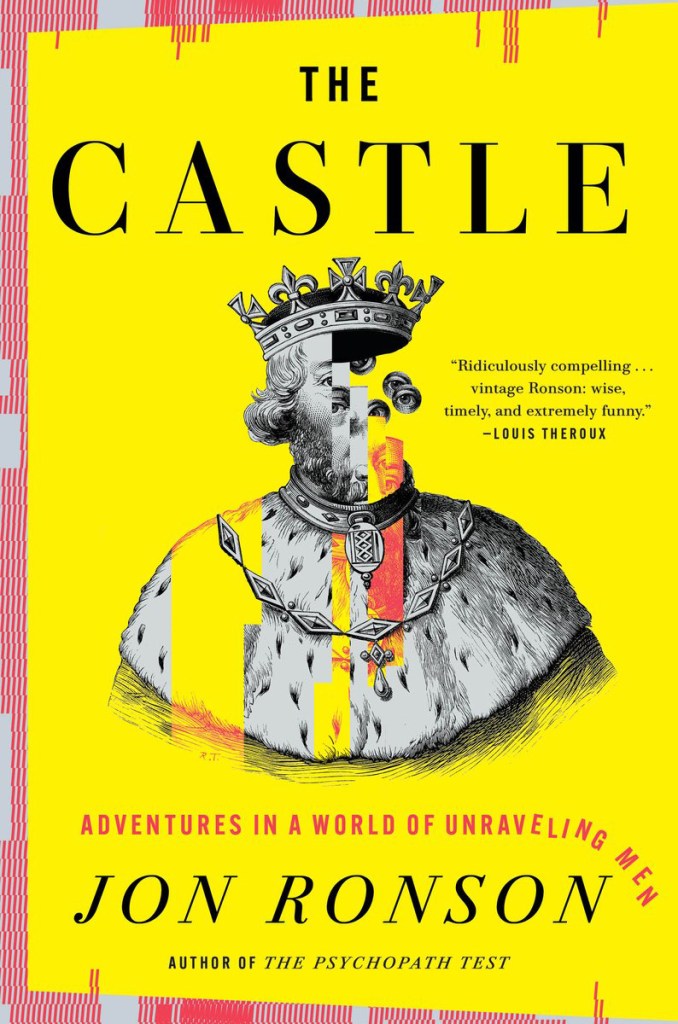
The Castle: Adventures in a World of Unraveling Men (out now from Riverhead Books), reads like an adventure story. Though much of it is framed around his interviews and interactions with Mark — the wealthy descendent of a Gilded Age baron — it opens up to a larger pursuit to understand the state of men, and how the breakdown of societal support, coupled with the rise of a technological state, has brought so many to the brink.
In the book, Ronson travels to the Midwest to visit a town built by Mark’s great grandfather in the 19th century, a recreation of a British village set under power plants and steel factories, where he talks to the man keeping its history alive. He charts the career path of an early YouTube star, Greg Chism, who went from being one of the first lawn-care influencers to chasing the algorithm by posting videos of his two young daughters. What starts as wholesome family content takes a left turn when he begins dressing up his daughters as babies, then donning a baby costume himself, before he’s ultimately all but run off the platform. Ronson includes chapters about Graham Linehan, the creator of huge British sitcoms like Father Ted and The IT Crowd, who became a prominent anti-transgender activist, and Armie Hammer, whose acting career crumbled after his cannibalism kink was revealed. Ultimately, Ronson develops descriptions of the different kinds of men who thrive online — the Vulnerable Man, the Doofus Man, the Manosphere Man, the Separatist Man, the Disinhibited Man — and what these modern archetypes communicate about the world we live in. And throughout it all, he comes back to his own unease about his place in the world. If a man doesn’t have purpose, what’s left?
Chris Mark is a fascinating character — he built this castle for his daughter, but then turned it into a sort of alternate-reality Playboy Mansion. At what point did you realize that his story was going to lead to your next book?The first thing I heard about the castle owner was that he was a big fan of Hugh Hefner. I thought, this is really funny. He’s trying to be Hugh Hefner at the worst moment in human history. I linked him with my feelings of unease, as well, about not having enough purpose. It felt like there were weird echoes there. I thought, this is a man out of time. He wants a world that’s no longer going to work for somebody like him, and maybe I should write a book about all these other things that men are no longer able to do that they used to be able to do.
One of the things you write about in the book is how people are reflexively dismissive of the problems of straight white men. What made you want to tackle this when you knew that there was going to be pushback?I think [of this] a little bit like my public-shaming book. People may not like the idea of the book, but then when they read it, they realize that their idea was wrong. Many times over my career, I’ve had this. Nobody wanted to read The Men Who Stare at Goats. The only book I’ve ever written which sold itself was The Psychopath Test — if you put “psychopath†in the title, you don’t have to do that much work. But what I do, I think, over and over again in my career, is look at how big changes that happen on high trickle down and impact the inner lives of people down here. But mostly, it was a book that crashed into my life, this big fucking castle that my son was lured to under false pretenses, and I just wanted to know what the hell was going on.
But let me add one more thing, and I think this applies equally to women as to men. One thing that I became really interested in is this: Structures and institutions collapse, and people feel cut adrift from society, and it does seem to be something that happens more to men than women. There’s more of a weakness in men, that when things fall apart, men isolate and withdraw from the world more. But I got really interested in that — like, what does a lack of purpose and structure do to people’s inner lives? And what’s filling the gap? And one thing that I found that’s filling the gap is content creation on YouTube.
Do you think, as these societal structures break down, the fact that men can’t live up to the preconceived notion of masculinity that they were fed as kids — being a provider, a protector — that’s part of what’s making them feel lonely?There’s a moment in the book when Greg Chism is the world’s greatest lawn-care influencer, but then his life spirals in the most bizarre ways. He starts to listen too much to the algorithms, and everything goes wrong. And it ends with him basically withdrawing from the world. But I ask him what his life’s like now, and he says, “Well, I wake up, I take my kids to school. I come home. I fall asleep. I wake up and I bring the kids back home from school.†I mean, what a terrible, depressing life. For me, it’s the erosion of structure which is causing so much horror in people’s lives.
So you think people are dealing with this by becoming content creators?It’s funny, I went to the cage fight at the White House [in July]. Everybody [in the press pool] was allowed to inspect the cage a couple of days earlier, so we all had to be at the White House at like half past five in the morning. Like 100 people were there, and we were all standing on the steps of the Eisenhower Building, and somebody from the UFC came up and yowled, “OK, everybody, content creators and videographers, step to the left, print journalists step to the right. And there was this vast exodus to the left. Like 98 percent of the people there were content creators, and the print line was like me [and a few other journalists]. And we were just laughing, like, “Oh, my God, we’re such redundant dinosaurs.†So that’s the kind of thing I’m talking about, like a huge shift from the old institutions that I grew up in, to the sort of post-institution era.
How do you think AI chatbot technology plays into accelerating this?It makes it so much worse. AI trawls the internet, sees how purposeless people feel, how lost, and comes in with a false idea of purpose. Like, “You’re the greatest mathematician on the planet,†or, “You’re creating the greatest reality show ever.†It’s so pernicious. It’s so evil. It’s like they’re swooping in to keep us engaged through sycophancy.
Going back to Greg Chism, the lawn-care influencer, one of the things that I found so stark in that story was how he kept changing his content to please the YouTube algorithm so he could get views. What did you find in reporting this book about people who are trying to contort themselves to the pleasure of the computer?His story has got to be one of the most extraordinary things that ever unfolded on YouTube. Like how he goes from lawn care through to all the stuff that happened after that, which is just nuts. Do you remember that novel, The Dice Man, by Luke Rhinehart? It’s about a character who decides to cede his life to the roll of a dice. Every decision he makes, he makes for the roll of a dice, and that’s what people are doing now on YouTube. If they give themselves over too much to the algorithm and the incentive structures, you end up doing more and more extreme things.
I think it’s partly because YouTube gained the reputation of being this wide-open country, like a post-institution utopia where men and women could thrive through grit and perseverance as an influencer, which is a very compelling idea. I grew up in a world of gatekeepers, and it was awful to have to beg people to give me a chance. It’s very compelling to have a world without that, that feels like it could be a true meritocracy where good people rise to the top. And good people do rise to the top. It’s not like it’s all an illusion. Greg Chism’s story and lots of other stories show that if you cede your life to the algorithm — and not just the algorithm, also what the viewers are encouraging you to do — it just leads to hell, and Greg’s story leads to hell in the most baroque and unexpected ways. But I think you could say the same thing about smaller stories, like anti-woke influencers, is a good example of another way that this manifests in sort of pernicious ways.
Another person you write about is your former friend, Graham Linehan, who went from being pretty universally beloved in Britain to becoming one of the country’s loudest anti-trans voices. He attacked you extensively online after you called him out for being a bully, too. Tell me about your decision to include such a personal story in this book.Well, it was very hard. I’ve been trying to write about Graham since 2020, and I’ve picked it up and put it down many times because I could just feel my stress levels rising. Because, you know, Graham’s story is, he became a gender-critical activist, and just made it his absolute identity. And he has his bêtes noires, and I’m one of them, and he’s posted about me thousands of times by now.
The Graham chapter was much longer, but it stressed me out so much. I cut it in half, but it’s like that scene in Poltergeist when you open the door in the bedroom and there’s all this furniture spinning violently around, and I think I’m a piece of furniture spinning violently around inside Graham’s head. I told him I thought he was acting like a bully back in 2019, and all these years later, he’s still going on about it. But I think there’s three or four reasons why I thought I should write about it. Firstly, the only reason to not write about it is fear, and I just don’t think, as journalists, we can be guided by fear.
Secondly, I’ve often thought about Graham. So Graham, for people who don’t know, was a huge figure in British cultural life, maybe a good equivalent would be like Judd Apatow. He was this showrunner of some of the most beloved comedies in British history, and then he fell into this new world in this extraordinary way. I hope this doesn’t sound glib, but I’ve always thought there was like an epic quality to Graham’s story. It was like if Harold Pinter or Tom Stoppard was writing a play about Graham, it would be an incredible play.
But the main reason [I wrote about him] is that I really wanted to do something about disinhibited men. What I discovered was that, when men feel cut out, cut adrift from society, some fold in on themselves. Some adapt. Some lash out. Graham is somebody, and you see it in a lot of different places, who basically decided to just be completely disinhibited, to basically rip off his face, and just allow his head to run wild. It’s as if he’s just decided nothing matters anymore. I thought that felt so extraordinary, but also so resonant to the world we’re living in now of disinhibition.
Tell me about Marktown, the town in Northwest Indiana that was built by Chris Mark’s great grandfather, and modeled after a British village. What did you find when you went there?I really wanted to do something after the castle mystery, you know, exploded into my life, and I decided I wanted to broaden it out into other men, feeling that life was passing them by, and then I thought, well, I’d love to do something about deindustrialization, but how? And also, men who are withdrawing from the world and becoming recluses, but how? And then I discovered, just incredibly fortuitously, that the castle owner’s great-grandfather was a Gilded Age steel tycoon. That’s how he got his money to build his castle, and he had built a utopian theme town in East Chicago, Indiana, for his steelworkers to live in. And over the years, this utopian town, which at the beginning looked great, has completely crumbled into a world of recluses and hoarders. Marktown’s designed to be this lovely English village, like a Miss Marple-type village where some kind of Agatha Christie adventure would happen, but it’s completely surrounded by heavy industry. So it’s like Miss Markle being like scrunched up and thrown into the middle of Wall-E. And when you look at an aerial photograph of Marktown, you just can’t believe it. It’s like nothing on Earth. So yes, so very fortuitously, I got to tell that story of deindustrialization in a way that’s completely relevant to the castle story.
Toward the end of the book, you write a little bit about an interview you did with Armie Hammer after his “cannibalism†scandal broke.So the story is, I got a call. He was filming in New Orleans, and I knew some of the people involved in the film [called Wounds], and they invited me to New Orleans to visit the set. We had dinner with Armie Hammer and his wife and the various movie people, and Armie talked a lot about meat, how much he liked meat, and he was utterly delightful and charming, and it was a great night.
So then a couple of years later, it all happens, the whole cannibal stuff, and then a couple of months after that he contacts me, and I fly to interview him. He says I’m the first person ever to interview him [since the scandal], and he tells me the whole story. But I sit on it. I don’t know what to do with it because there’s some things where he’s definitely right, but then there’s other things where he hasn’t behaved well. Like he would sweep women off their feet and take them to Ojai, and then give them the time of their life, and then come back and drop them off, and completely forget about them. And I thought, I need time. Like I just, you know, this is a story that needs a lot of time. And [eventually] he gave the story to someone else. I felt slightly like one of the women that you take to Ojai. But you know what? I can’t blame him. I was taking way too long. So I have no ill feelings, but this interview was sitting on my computer for the next couple of years, and so I included a little bit of it because there were moments in our conversation which I think shed light on some of the motivations of the castle owner, and privilege, and people not being told that they can’t do things. I cut it down to its absolute minimum, to shed light on other stories in the book.
You’ve got a stage show of the book you’re taking on tour in the States and the U.K. Can you tell us about that?It’s called Enter the Castle. I always do pretty elaborate stage shows. I still do a show called Psychopath Now, based on my Psychopath Test book, where I have mystery guests, and I’ve done shows where I have a band onstage, performing with me as I’m doing the speaking. This time around, I’m using a lot of audio and video clips, and bringing the book to life as a series, almost like a live documentary that I’m narrating onstage. So I always make it ambitious.
Images from the story
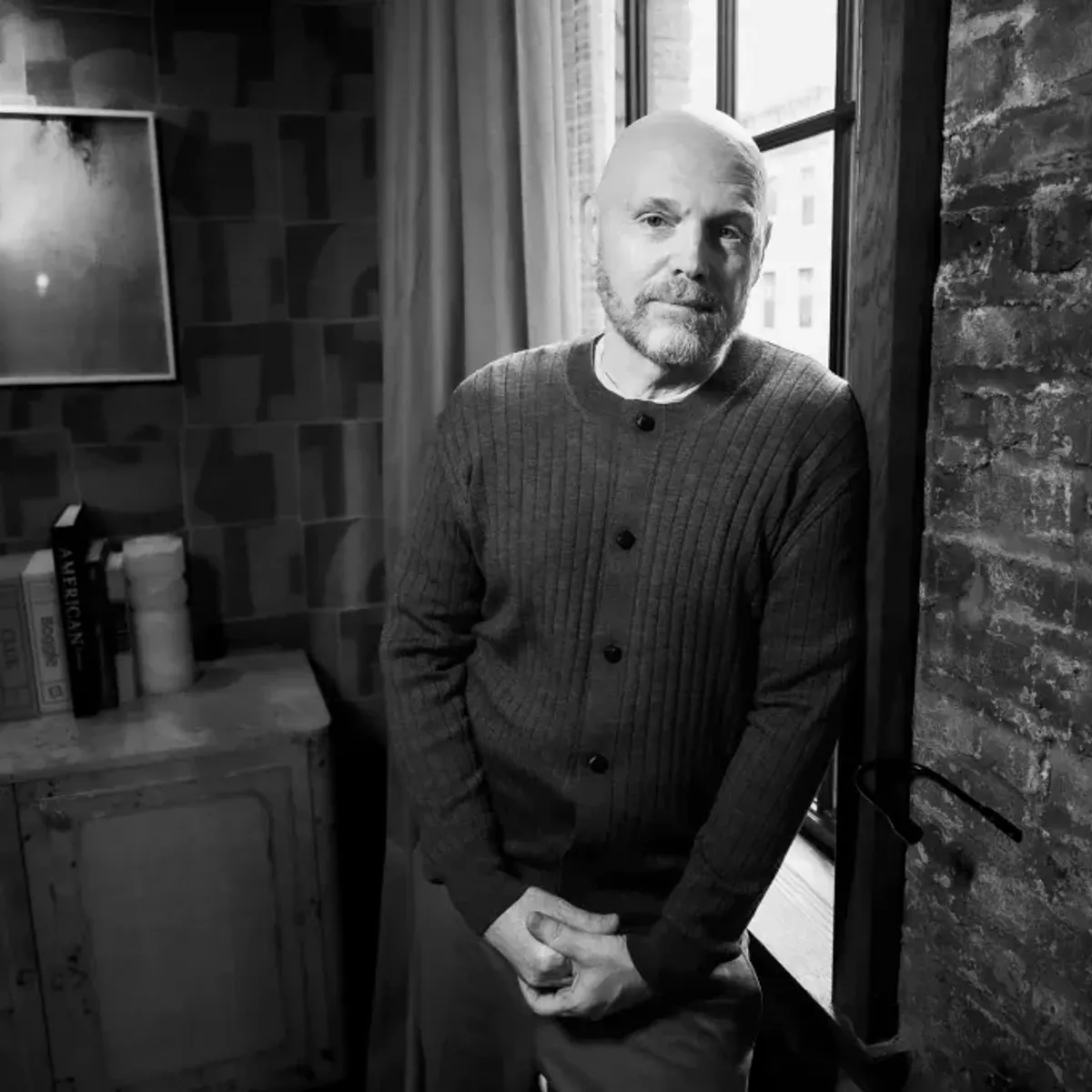
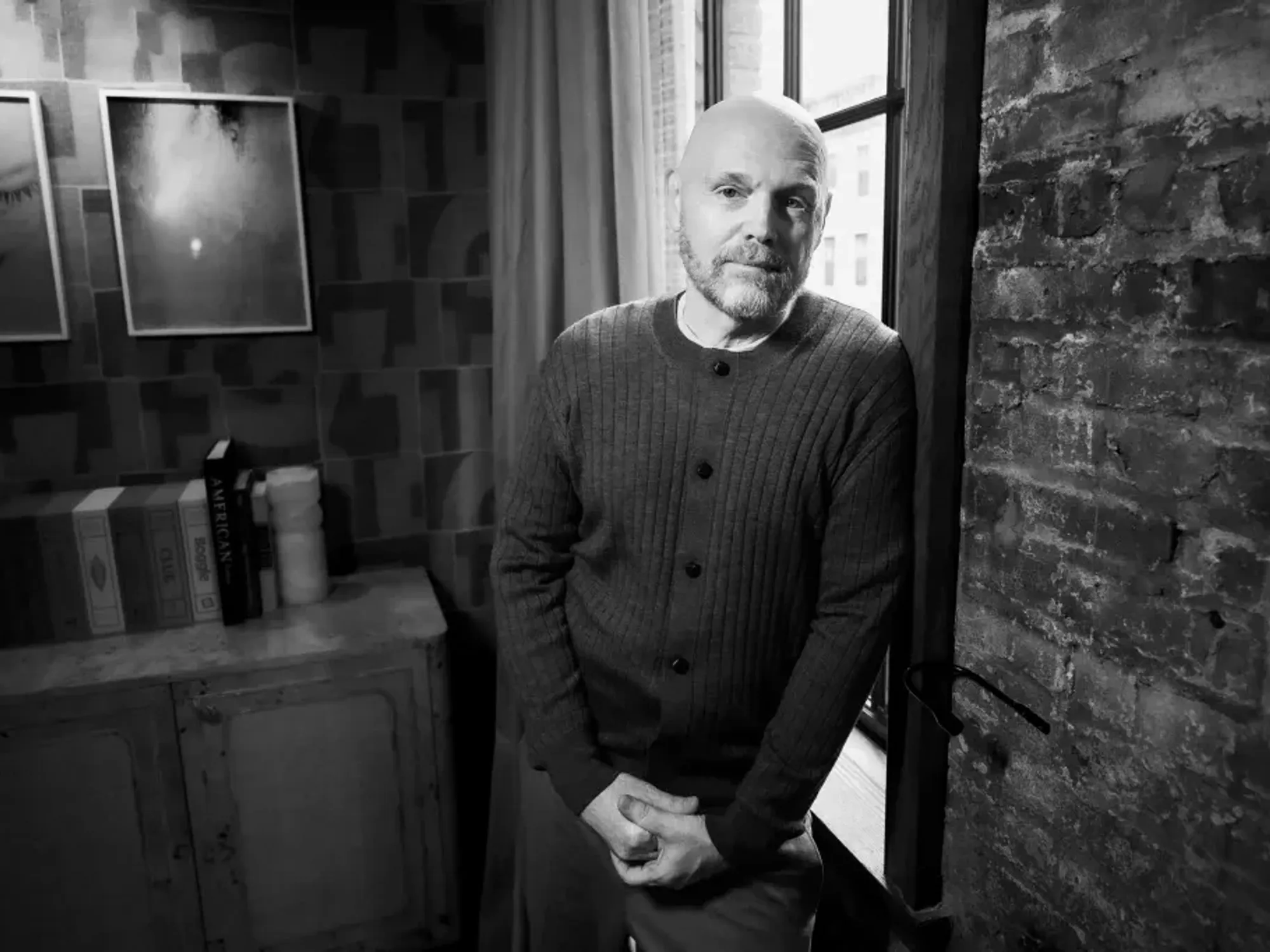
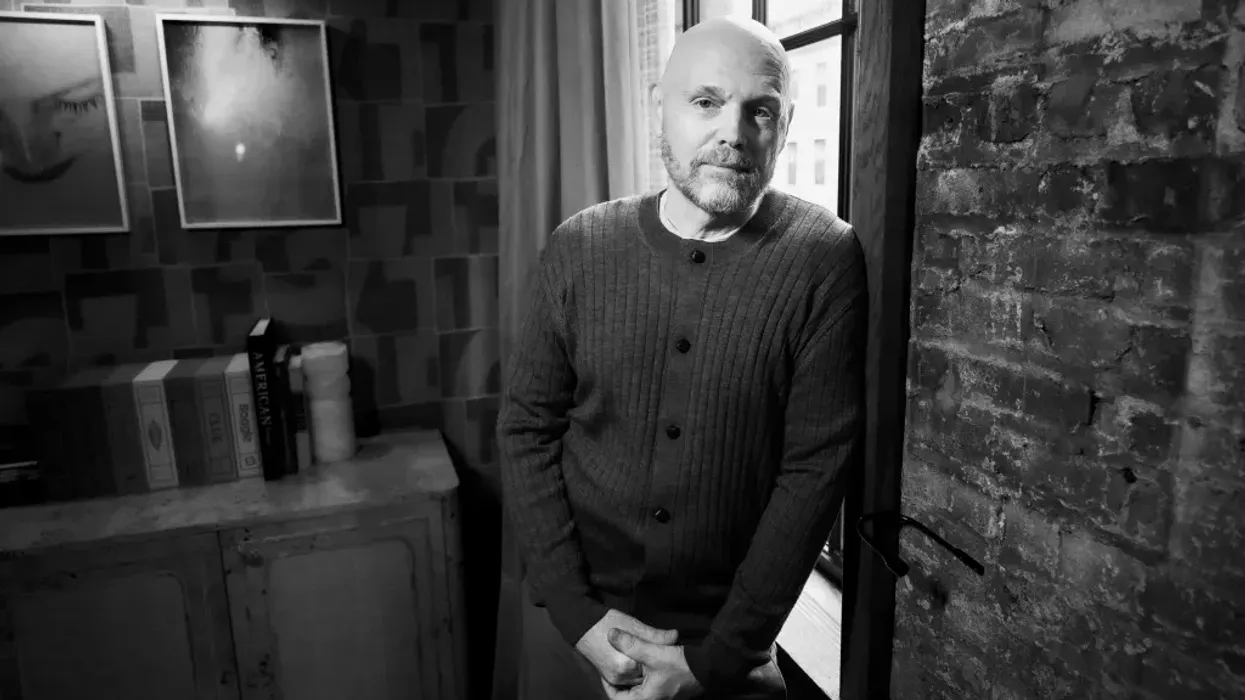

End of article