Taylor Swift Announces New Single ‘Patient Zero’
“I’ve been impatiently waiting to tell you that my brand new single ‘Patient Zero’ will be out on September 25 (!!!!!!!!!!!!),†the superstar wrote on her social media ac…
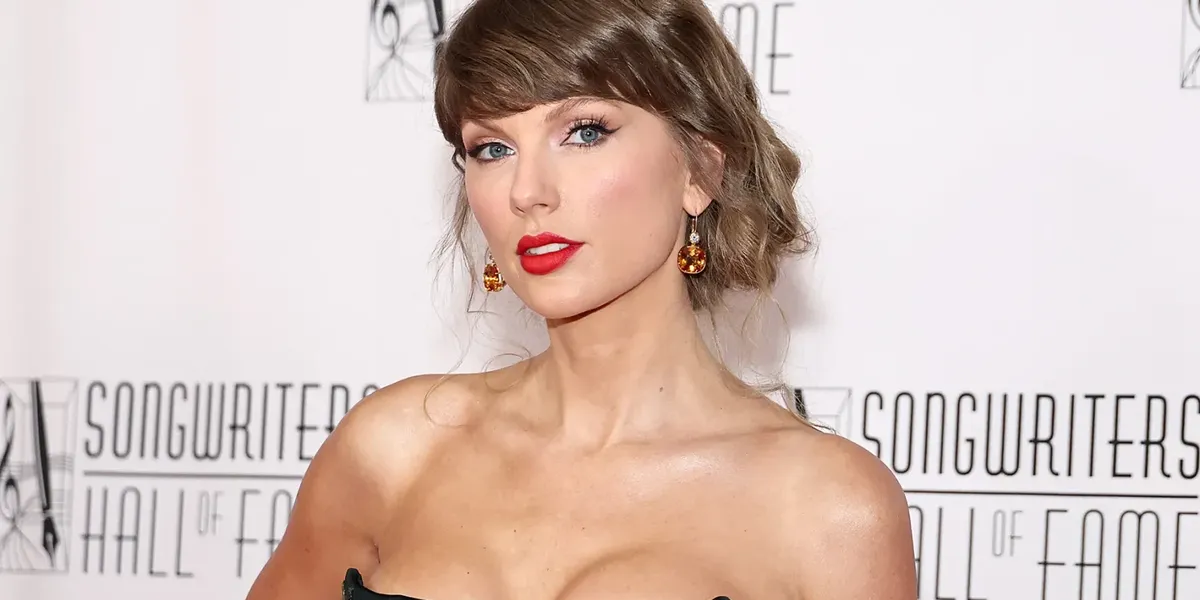
“I’ve been impatiently waiting to tell you that my brand new single ‘Patient Zero’ will be out on September 25 (!!!!!!!!!!!!),†the superstar wrote on her social media accounts
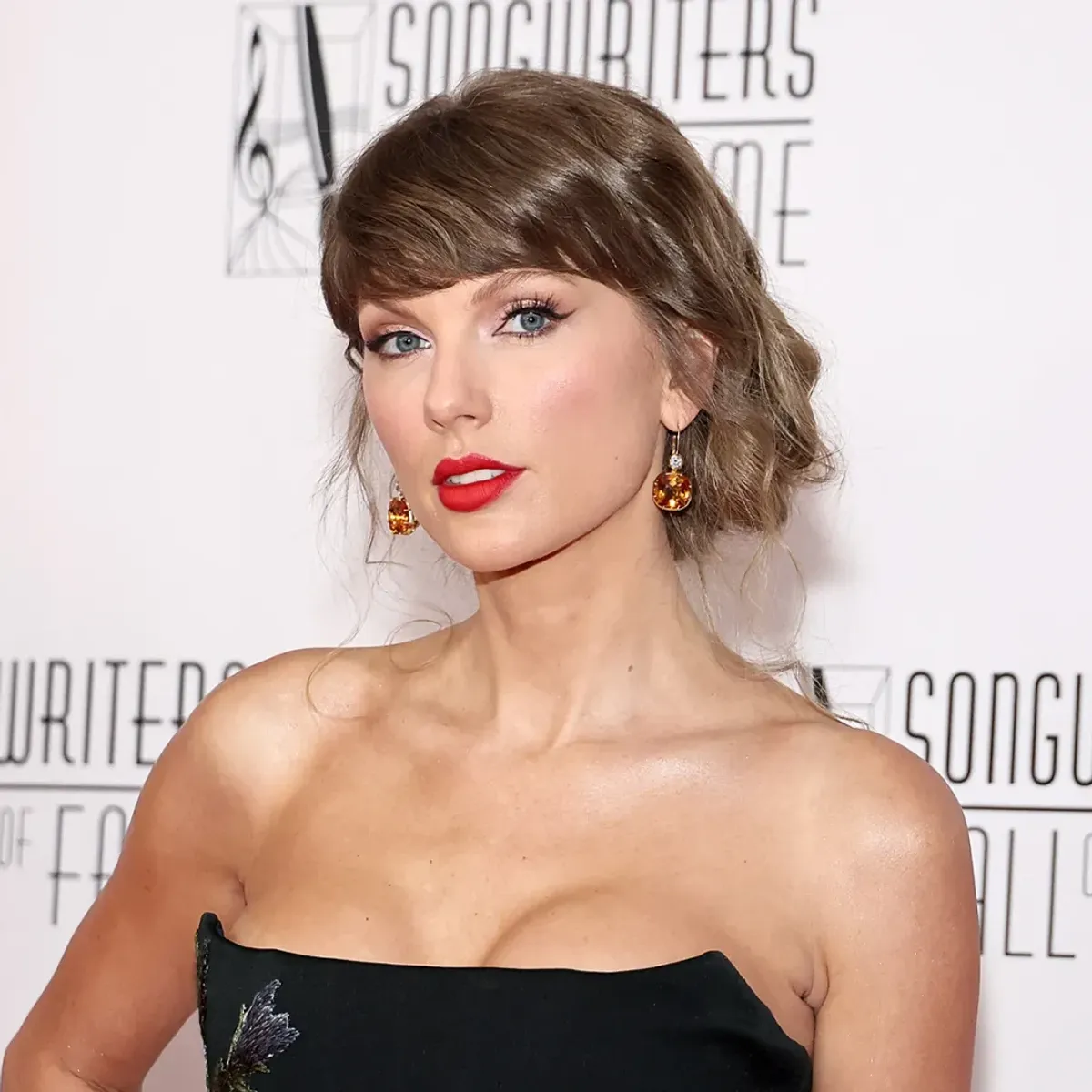
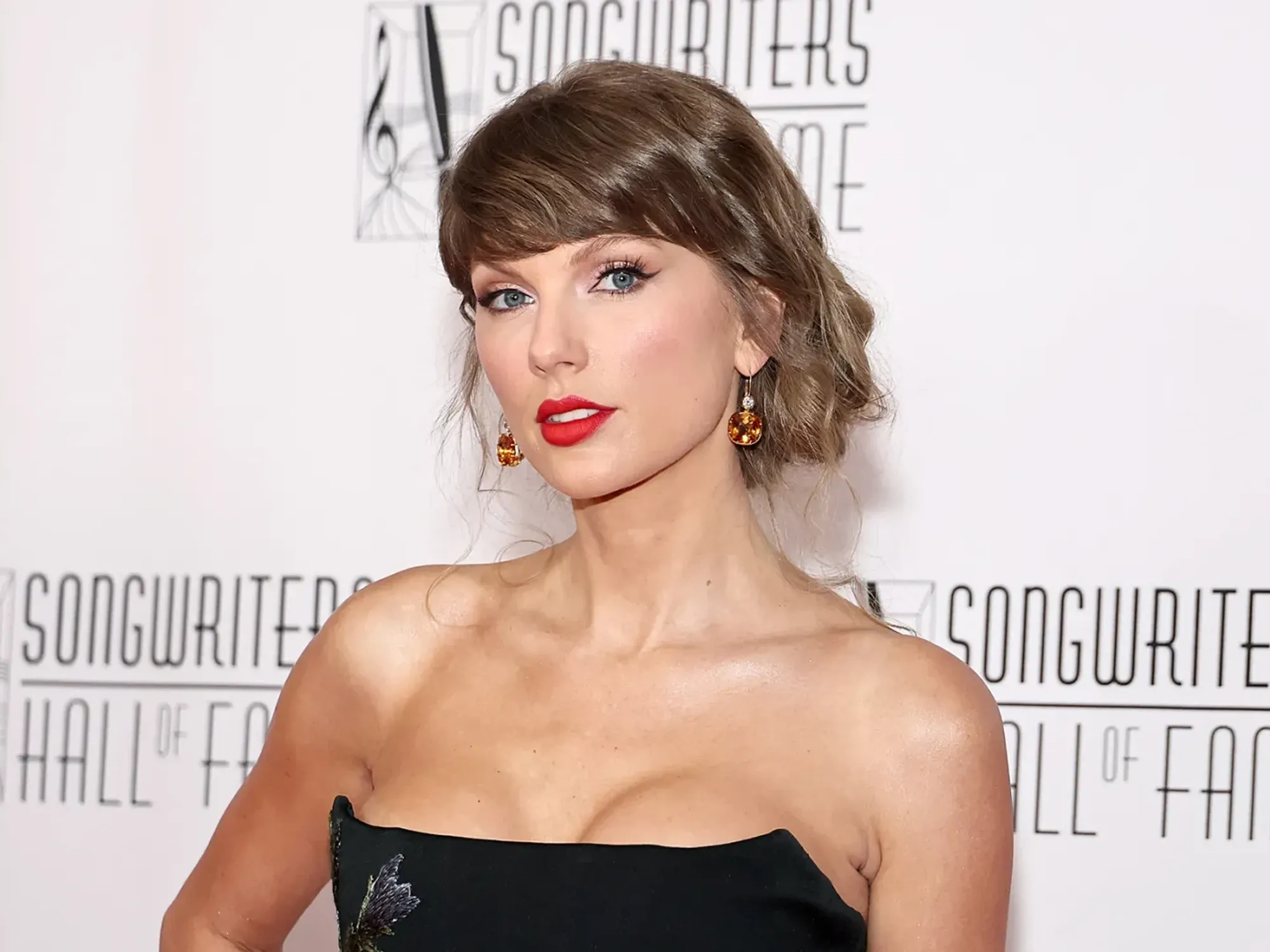
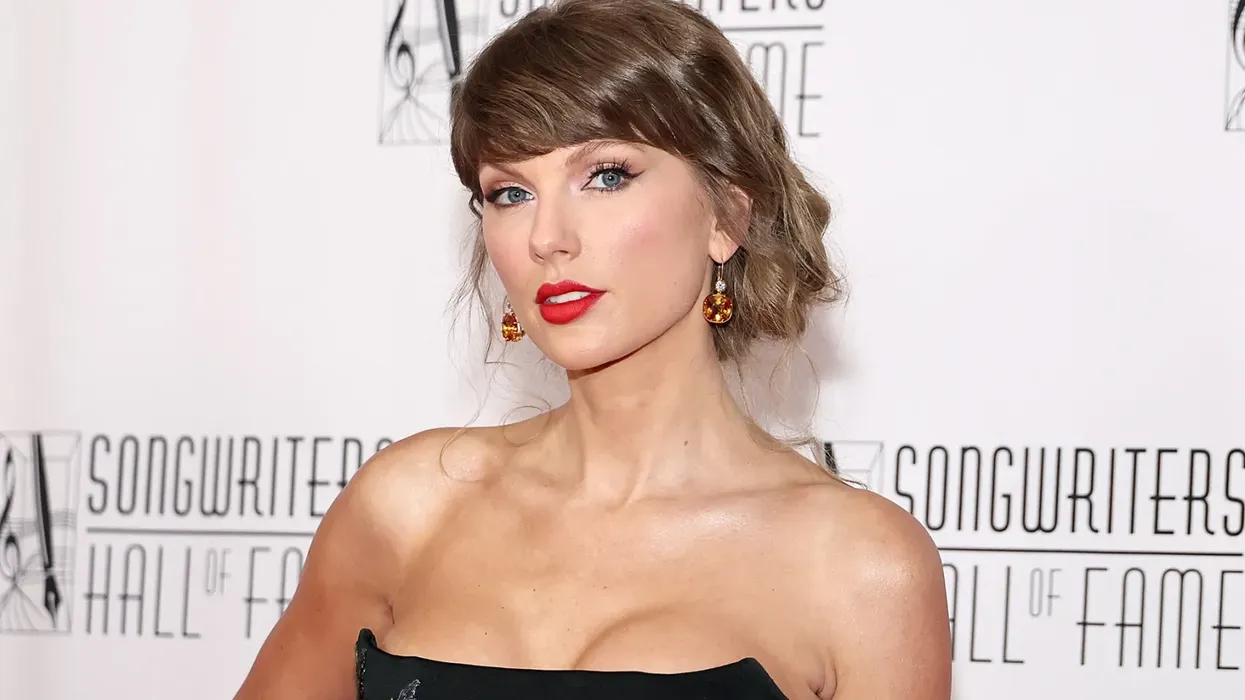
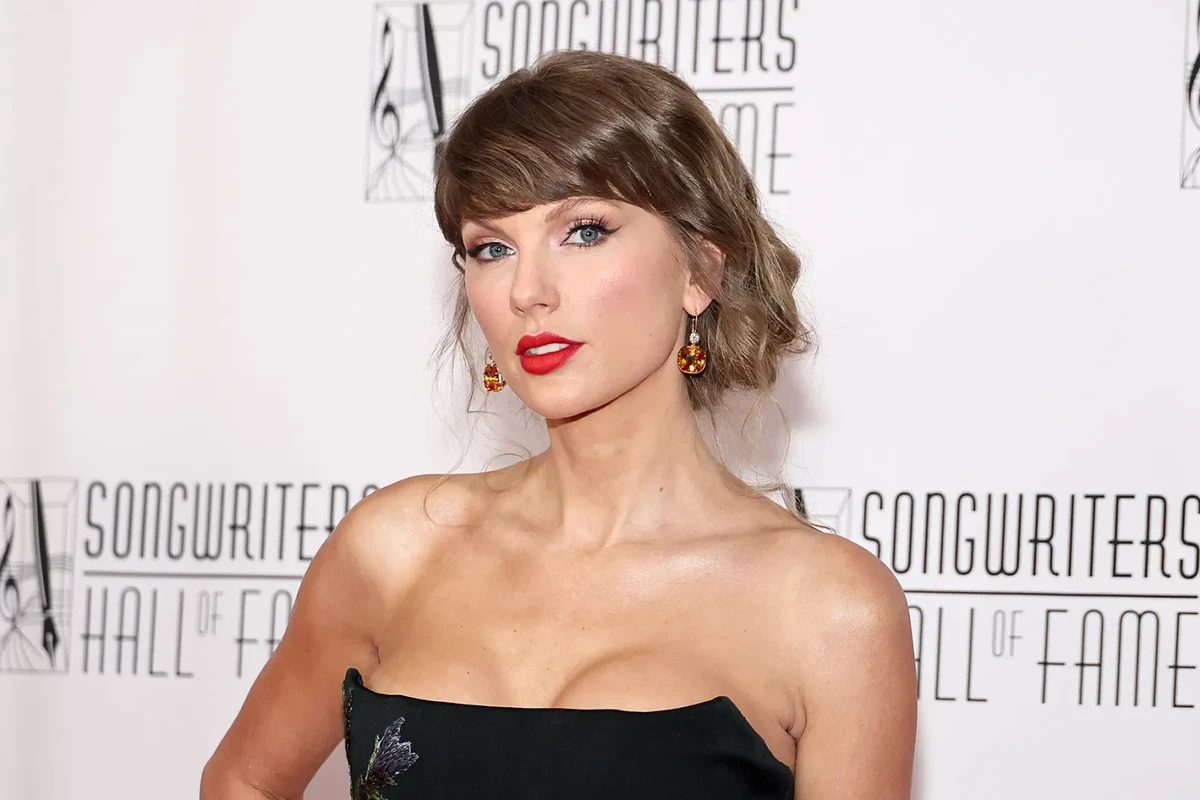
Taylor Swift attends the Songwriters Hall of Fame 55th Annual Induction and Awards Gala at Marriott Marquis Hotel on June 11, 2026 in New York City.
Taylor Swift is zeroed in on making new music. The superstar just announced a new single “Patient Zero,†which arrives on Sept. 25
“I’ve been impatiently waiting to tell you that my brand new single “Patient Zero†will be out on September 25 (!!!!!!!!!!!!),†the singer wrote on her social media accounts.
See on Instagram
According to Swift’s website, the new track is related to her most recent album The Life of a Showgirl but has not officially been described as a bonus track. The singer’s website also updated from a sparkly orange to a dark gray and featured three new CD single versions of “Patient Zero.†Each version features a different cover of the singer wearing black. Similarly, in an Instagram post announcing the track, the superstar was also wearing a black high-neck tank top. She also changed her profile picture across social media, which has signified a new era for the singer in the past.
The news comes after Swift spent the last 24 hours ramping up her Easter eggs. On Monday, Sept. 21, a third piece of paper appeared on the “My Letter†page of Swift’s website underneath the letter she wrote in May 2025 and the original Showgirl track list. Some believed it would be an announcement for the re-recording of Taylor Swift, her self-titled debut which celebrates its 20th anniversary this year.
On Tuesday morning, the singer updated her Instagram bio to read, “And, baby, that’s sh0w business f0r y0u.†Similarly, lyrics from Showgirl were updated on Apple Music with words using the letter “O†swapped for zeroes.
“Patient Zero†marks the second bit of new music from Swift this year. In June, she released “I Knew It, I Knew You†as part of the Toy Story 5 soundtrack. The new song will arrive on the heels of an exciting achievement for Swift. On Sunday, she will be honored at the MTV Video Music Awards with the inaugural Artist Director Honors award.
Amid a glow of red and orange lights, a chic underground room in New York’s trendy Meatpacking District is alive with bodies. It’s just after midnight, and women are dancing on velvet banquettes, men are two-stepping on luxe, carpeted floors the color of merlot, and everyone is table-hopping with icy martinis in hand, as the groovy house jam “Talk to You†pumps through the venue’s sound system.
It’s one of the latest tracks from ANOTR, an Amsterdam DJ duo who timed the release of the feel-good anthem for the summer. And before the in-demand producers jetted off to Cannes and Ibiza to kick off the European party circuit, they made an unadvertised pit stop here, at the members-only club Chez Margaux.
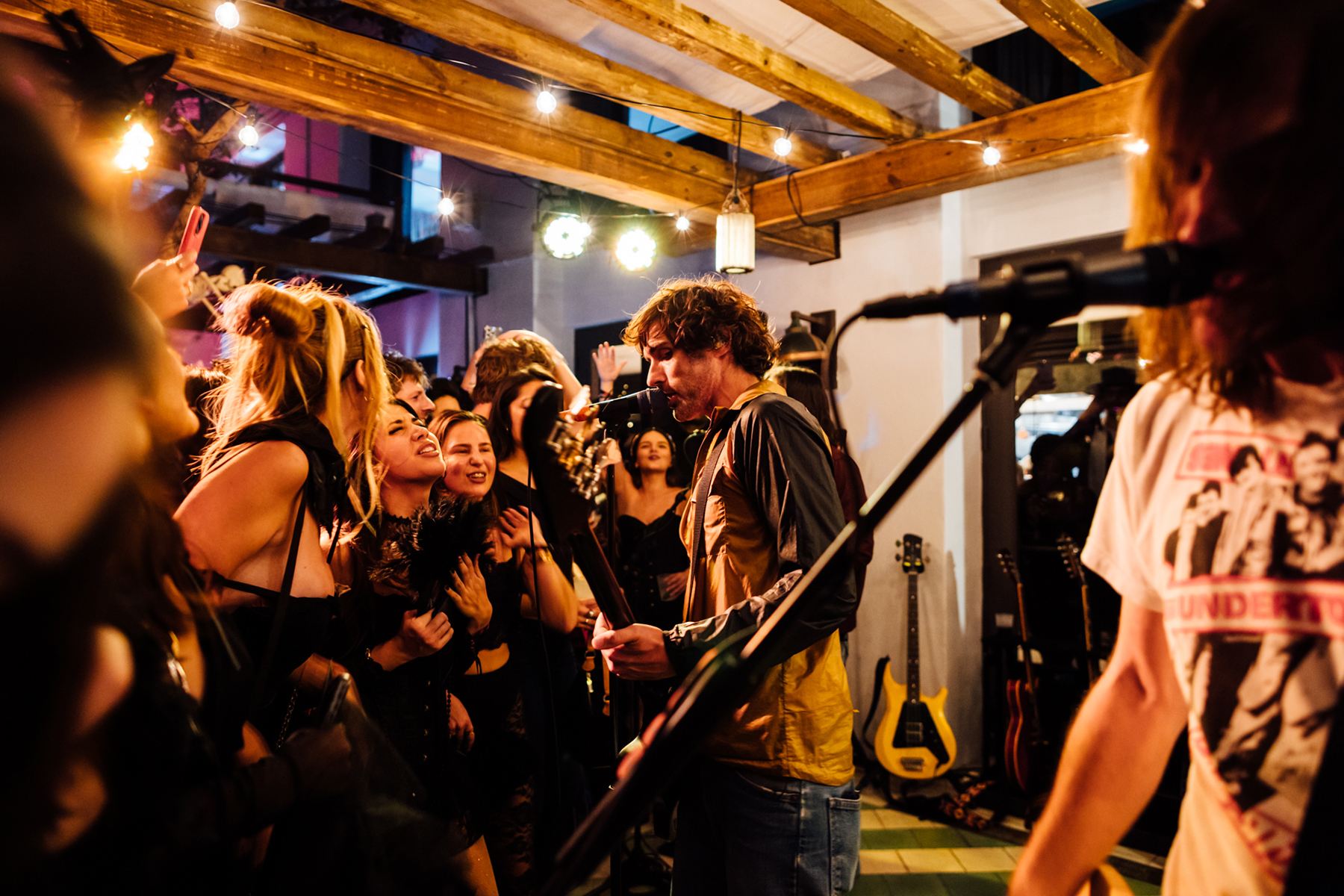
There’s something surreal about watching some of the most sought-after acts in house music perform for 250 people rather than the thousands they typically draw at festival stages and international gigs. Imagine Foo Fighters playing Irving Plaza before a world tour, or Justin Bieber performing at a tech conference fresh off headlining Coachella. “We aim for the top one percent of the top one percent in terms of DJ talent and musical talent,†Riccardo Ambrosio, the club’s director of events and partnerships, tells Rolling Stone.
The likes of Rüfüs Du Sol, Black Coffee, &ME, and PAWSA have already graced the European-inspired lounge and restaurant for similar private, ticketed shows held roughly twice a quarter. And for jet-setting clientele accustomed to having a Euro Summer, they could catch ANOTR at a pop-up that the club hosted in St. Tropez. But unless you are a Margaux member paying $4,000 in annual dues and a one-time $3,000 initiation fee, you’d be none the wiser.
“I hate to say it, it was a great time. It was nice to have a more intimate space,†says Michal Cohen, who attended the ANOTR spring set, where tickets went up to $1,000. “I think prices are insane, but I do like it more than going to, like, a Brooklyn warehouse.â€
In a world where a $15,000 initiation fee isn’t unheard of, exclusive, premium music experiences are emerging as the latest means to attract and amuse deep-pocketed members in the increasingly competitive world of private clubs.
THE CONCEPT OF MEMBERS’ clubs is hardly new. In New York City alone, prestigious, academic-based institutions like the Harvard Club, the scientific Explorers Club, and the old-money haunt The Union Club, which predates the Gilded Age, still stand. But since 2003, with the arrival of London export Soho House to New York City — its rooftop pool earning a cameo in Sex and the City — there’s been a growth of younger-skewing ventures that have sexy-sounding names like Maxine’s, ZZs, and Crane Club, all materializing around the city’s most affluent and buzzy neighborhoods. (The field is so saturated, Vogue came up with a handy guide to determine what clubs best fit someone’s personality.)
The business behind these clubs is booming, and hospitality experts forecast that the private-club trend will only continue to accelerate, with applicants for New York City alone increasing 42 percent last year, according to Zach Bates, an industry expert and marketing strategist.
These clubs have always strived to maintain an edge on competitors by hiring award-winning chefs, hosting curated events, and decking out their interiors with millions of dollars worth of art. Still, the more competitive landscape has led clubs to drill deeper into hyper-specialization. Moss, a wellness-focused hub near Bryant Park, offers heated thermal pools. New York Vintners in Tribeca is a best-kept secret among wine aficionados and New York Knicks players, with its three-level space serving as an ultra-private storage cellar, entertainment venue, and dining room. Cult streetwear brand KITH introduced the sports-centered KITH Ivy, a “luxury padel brand and club†with $25 Erewhon smoothies and a boutique store.
“There’s going to be this shift where clubs are going to be able to connect you with like-minded people,†explains Bates, who is CEO and founder of Private Clubs Inc., a development and management firm for such ventures. “They’re looking for experience over possessions.â€
Take Zero Bond — a favorite members-only haunt of former New York City Mayor Eric Adams and billionaires Jeff Bezos, Kim Kardashian, and Michael Rubin — who created Baby Disco in its new Las Vegas outpost, offering a scaled-down alternative to the city’s multilevel mega-clubs. On opening night, Doja Cat performed before the Chainsmokers deejayed a set to a few hundred people, versus the thousands they’d attract elsewhere on the Strip. “These clubs went from 2,000, 3,000 to 6,000 people,†explains owner Scott Sartiano, whose résumé includes New York institutions 1 Oak and Up & Down. “[They] got bigger and bigger and bigger. That’s not for everybody. We thought: ‘What can we do that’s right for Zero Bond and its members that gives them that feeling of what they want?’â€
Next weekend, Soho House, a longstanding staple of the membership club scene, is bringing its long-running music festival to New York City for the first time. Headlined by Alanis Morissette, the one-day $450 ticket available to members and their guests, will feature a throwback indie-rock line-up that includes the Flaming Lips, MGMT, Santigold, Questlove and friends, as well as Justine Skye, Pauli Lovejoy, and Hamilton Leithauser. Their clubs around the country also offer discounted concert tickets, as well as intimate moderated conversations and live performances within the clubs from artists such as Norah Jones, 50 Cent, Leon Bridges, James Pay, All-American Rejects, and Ja Rule. “We’ve definitely noticed a craving from our members … people are really craving those experiential moments,†explains Dominique Belas, the company’s global head of events.
Members of Aman New York can stop by its Jazz Club, a swanky underground venue for guests of the five-star property. On Valentine’s Day, members were treated to a special set by Diplo, and Jack Harlow dropped by for a scaled-back set of his latest album, Monica. Space permitting, members of the public can also reserve tables to see the likes of Mike Yung, a subway singer-turned-breakout star of America’s Got Talent; acclaimed jazz drummer and composer Terri Lyne Carrington; and vocalist April Varner. There’s also a residency series, kicked off by Black Thought of the Roots, whose semi-regular “One of Those Nights at The Jazz Club†evenings feature rotating surprise guests.
And newcomer Stylus — envisioned as a “shrine to music†— will be a first-of-its-kind space built around a state-of-the-art listening room in the Lower East Side in early 2027. Priced at $10,000 in annual dues and a $5,000 initiation fee, the club will have a high-fidelity sound system designed by Devon Turnbull and 40-hertz sound and light therapy sessions.
The ramp-up of exclusive music-based events comes as the live music industry reaches a crisis point over exorbitant prices and hyper-commercialization. This summer, for example, Pacha New York charged up to $600 a ticket to secure a spot in its “VIP Zone,†set apart from the general area that can hold more than 5,000 people. And depending on the DJ, which has recently included Rampa, Black Coffee, and ANOTR, a designated table for a dozen people may require a minimum spend of more than $10,000.
Erika, who asked to be identified only by her first name, says she gladly paid upwards of €1,200 for two tickets to watch Rampa descend upon the slopes of Courchevel in the French Alps for an après-ski set hosted by Chez Margaux earlier this year.
“It was the highlight of our trip,†Erika says, recalling how the sun set against a backdrop of powdery mountaintops. “We are in our thirties now, and the experience of having that type of exclusive and intimate event was really appealing to us. It obviously comes with a much higher price tag than a music festival or warehouse venue that you might otherwise see these types of DJs. [But] as we get older, we are looking for more experiences like that, compared to a massively crowded event.â€
Of course, exclusivity translates to steep prices, but costs have been rising across the board. Between 2019 and 2024, the average cost of a traditional concert ticket in the U.S. rose more than 30 percent, according to Billboard. Fans have been forced to battle scalper bots for seats as small independent venues shutter at an alarming rate. While megastars like Harry Styles, Olivia Rodrigo, Noah Kahan, and Taylor Swift can easily sell out stadium-sized shows, the “blue dot fever†— where a sea of blue dots on online seller platforms represents hundreds of unsold tickets — has seen artists like Kid Cudi, the Pussycat Dolls, and the Black Keys scale back shows or scrap tours entirely, citing weak ticket sales.
Some New York nightlife venues have tried to find middle ground by introducing membership models that focus less on exclusivity and more on encouraging frequent concertgoing. Live music venue Baby’s All Right sells an 8-ball chain necklace that doubles as a yearly $250 membership, with free entry to any show. Subscribers to Nowadays’ Patreon — priced as low as $5 a month — are guaranteed entry to every party and can skip the line. Bushwick venue Elsewhere rolled out membership tiers, where the top seasonal pass at $45 a month earns the member and a guest unlimited free entry to shows, VIP guest-list drops, and invites to private events.
“The angle we’ve always taken is more around accessibility and just bringing together music fans first,†says Rami Haykal-Manning, co-founder of Elsewhere. “I feel like memberships have always been around at clubs. It’s not a new concept, but a lot of spaces in the last couple of years have really tried to tap into it in a more hospitality-forward or higher-end version.â€
As live music events are increasingly turning into big format spectacles backed by blue-chip sponsorships, some members’ clubs see an opening in the opposite direction: private sets and scaled-down performances for those who can afford it.
“There’s nothing that compares to it,†Ambrosio says. “That’s what makes them so special and what people are willing to pay the price for.â€
Limp Bizkit are coming back to Canada, in 2027. The band will join Metallica and Avatar for the 2027 North American leg of Metallica’s massive M72 World Tour, opening the run on May 8 at Vancouver’s BC Place. Metallica are the headliners, with Limp Bizkit and Avatar serving as support throughout all 12 newly announced stadium dates.
Vancouver is currently the only Canadian stop on the newly announced itinerary. The May 8 concert kicks off a run that will take the three bands through San Diego, El Paso, San Antonio, Kansas City, Indianapolis, Buffalo, Cleveland and other U.S. cities before wrapping June 19 in Salt Lake City.
See on Instagram
After passing through Eastern Canada for festival dates this summer, Limp Bizkit is hitting up the West Coast. This time, Fred Durst and company will be playing BC Place as part of a stadium-scale Metallica production, with the M72 stage positioned in the centre of the field so fans surround the performance.
Metallica launched the M72 tour in 2023, and the band says the trek has already brought nearly five million fans to shows across 26 countries. The 2027 leg follows Metallica’s Life Burns Faster residency at Las Vegas’ Sphere, which runs through March 13.
Tickets for the Vancouver show go on general sale September 25 at 10 a.m. local time, with fan-club presales beginning September 21.
Amanda Lear
Iconic French singer and artist Amanda Lear is calling out Miley Cyrus over what she says is a striking resemblance between Cyrus’ new song “Redlights†and her 1978 disco track “The Sphinx.â€
Lear first raised the accusation Sunday on Instagram, addressing Cyrus directly with asarcastic message reading: “Thank you, Miley, for copying my song ‘The Sphinx’! I’m flattered!†She also added hashtags referring to the song as a “ripoff†and “copycat.â€
“Redlights†appears on Cyrus’ new album Bass Persuades, released last Friday, September 18. According to Lear, the melody and rhythm of the track closely mirror those of “The Sphinx,†which appeared on her 1978 album Never Trust a Pretty Face. The songs have noticeably different tempos, but comparisons between the two tracks have circulated since Lear’s post.
Lear told Agence France-Presse that she was alerted to the similarities by fans and brought the matter to her producer and record label. Universal and the song’s publishers, she said, are seeking formal recognition of the alleged plagiarism. “I’ve never been litigious,†Lear told AFP, emphasizing that she had not threatened Cyrus with legal action. “I simply pointed out the situation by thanking Miley Cyrus and adding that I was flattered.â€
Lear has previously identified Cyrus as one of the younger artists who inherited her influence, alongside Rihanna and Beyoncé. She has also said that she knows Cyrus is a fan of her work.
For now, there has been no public response from Cyrus or her representatives, and no legal finding that “Redlights†infringes on “The Sphinx.†A musical resemblance, even a substantial one, does not by itself establish copyright infringement.
It’s not the first time Miley is involved in copyright disputes. She was previously sued by Bruno Mars’ team for for her song “Flowersâ€, as well as by Jamaican artist Flourgon for her song “We Can’t Stopâ€.
William Shatner
William Shatner made his heavy metal debut Saturday at a Riot Fest Chicago after hours gig, covering artists like Ozzy Osbourne and Metallica with the actor’s new band the *uckers.
The 95-year-old Star Trek star previously revealed that heavy metal would be his latest musical frontier following his expeditions into genres like spoken word, the blues, country music, Christmas songs and children’s music.
“I have explored space. I have explored time. Now … I explore distortion,†Shatner previously said of his heavy metal odyssey on social media. That loud journey began Saturday at Chicago’s Park West, where Shatner and his band of heavy metal vets played a warmup gig ahead of their first official show Sunday at Riot Fest.
The six-song set featured three songs from Shatner and the *uckers’ upcoming album What the F Is Heavy Metal? as well as covers of metal classics like Osbourne’s “Crazy Train,†Metallica’s “Enter Sandman,†and Motorhead’s “Ace of Spades.â€
In addition to the *uckers, What the F Is Heavy Metal? features appearances by rock royalty like Black Sabbath’s Tony Iommi, Queen’s Brian May, Judas Priest’s Rob Halford, Slayer’s Dave Lombardo, and more.
“I’m so enlivened. I’m so filled with passion. I’ve come to understand what heavy metal is,†Shatner told Billboard recently of his latest musical endeavor. “It’s an energy that permeates your body and lifts you up. Heavy metal is the rhythm of life. It’s overwhelming, especially if you’ve got earphones in. This afternoon, I’m going to have earbuds that have been made for me and the rest of the group. I’m so excited about what I’m performing. It’s a real-life fervor happening for me.â€
Sean Combs in Atlanta in 2023
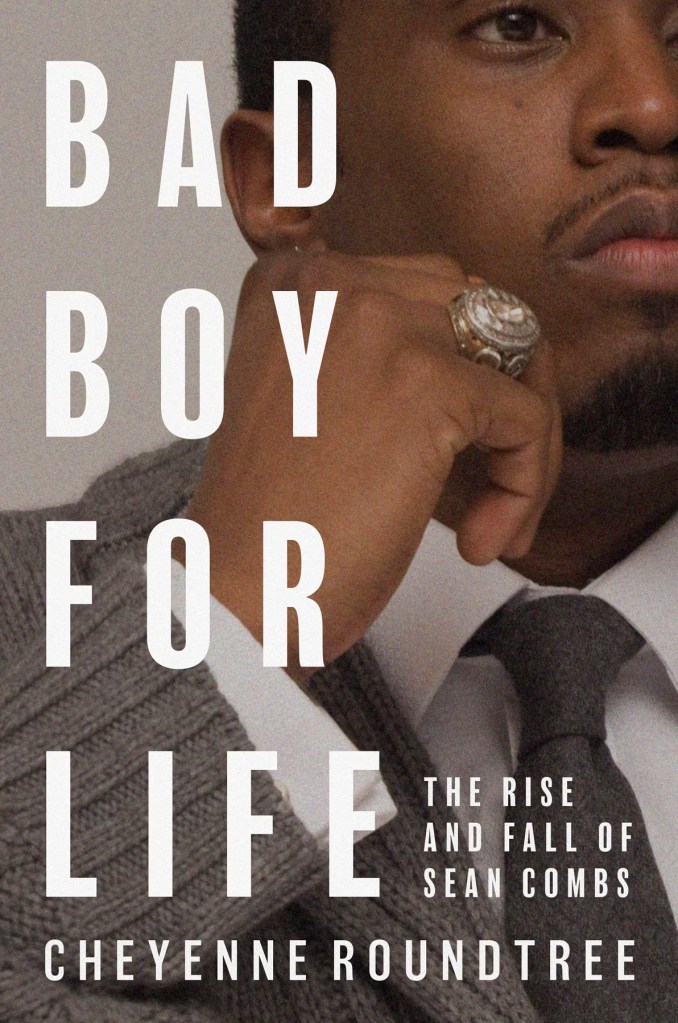
When Cassie Ventura filed her 2023 lawsuit accusing Sean Combs of sex trafficking and assault, Rolling Stone’s senior entertainment investigative reporter Cheyenne Roundtree began tracing the music mogul’s rise to power and allegations that had long circulated only in whispered warnings. Her reporting appeared in Rolling Stone’s May 2024 feature Bad Boy for Life: Sean Combs’ History of Violence, and in the HBO documentary The Fall of Diddy, for which she received a consulting producer credit. She later covered Combs’s criminal trial and partial conviction from start to finish. Now, in her debut book, Bad Boy for Life: The Rise and Fall of Sean Combs, due out Sept. 29 via Henry Holt, Roundtree offers a sweeping account of the label executive’s flashy ascent and staggering fall from grace.
In an exclusive excerpt, Roundtree takes readers inside Combs’ efforts to control his image from behind bars and how his “look-alike son†Christian Combs has been acting as his “proxy†at events such as the February 2025 funeral for Voletta Wallace, the mother of The Notorious B.I.G., not always to the desired effect.
Roundtree writes that while Combs’ downfall triggered initial shock waves, it stopped short of generating a wider reckoning for the executives, producers, and gatekeepers who “enabled bad behavior to maintain the status quo.†The final chapter takes stock of the #MeToo movement, what may await Combs when he’s eventually released (the Bureau of Prisons currently predicts he’ll go home on Feb. 5, 2028), and how celebrity often functions as a form of social currency, buying the rich and famous a measure of leniency unavailable to the countless fans who helped make Combs a star.
Sean John Combs, as of this writing, is inmate number 37452-054 and counting down the days of his sentence at Fort Dix, a low-security federal prison in New Jersey. Combs spends his time working in the chapel library and participating in the prison’s residential drug abuse program. His team managed to pull serious strings to bypass the lengthy waitlist and typical time requirements to secure him a spot in the intensive five-hundred-hour course that can last between nine and twelve months. In addition to treatment, the program is highly sought after for another reason: Upon completion, inmates can reduce their sentences by up to a year.
Combs’ efforts to shorten his time behind bars have not been limited to prison programs. His appellate legal team has been aggressively searching for any and every legal avenue that would overturn the judge’s sentence, nullify the jury’s guilty verdict, or even discredit the very criminal law that Combs was prosecuted under. At the same time, some of his associates continued working behind the scenes to butter up well-connected figures in Washington, DC, hoping to earn the sympathies of Combs’ former associate President Donald Trump. “I was very friendly with him. I got along with him great, and [he] seemed like a nice guy,†Trump told Newsmax when asked about the possibility of a pardon for Combs. “I didn’t know him well. But when I ran for office, he was very hostile.†(“White men like Trump need to be banished,†Combs said in 2020.) After failing to gain traction for clemency through unofficial channels, Combs personally appealed to Trump, making the case for his freedom in a letter. Perhaps recalling Combs’ recent snubs, a thin-skinned and famously grudge-prone Trump said he wasn’t considering his old friend’s request.
Even within the confines of prison, however, Combs appears determined to manage his narrative. Within a month of his transfer to Fort Dix, he allegedly made a forbidden three-way phone call in which he instructed a female member of his team to contact a “digital person†regarding social media blog posts. During the same period, in what would have broken Combs’ sobriety streak, officials reportedly caught Combs with a homemade concoction of fermenting apples, Fanta, and sugar. His team said the claims were false. “He’s taking his time there seriously and working every day toward healing and coming home,†said a spokesperson attempting to downplay reports of the prison taking disciplinary action against Combs over the phone call. “As with any high-profile individual in a new environment, there will be many rumors and exaggerated stories throughout his time there, most of them untrue,†the spokesperson added. “We ask that people give him the benefit of the doubt, the privacy to focus on his personal growth.†Yet, despite this broad and vague denial, the Bureau of Prisons pushed back Combs’ release date by a few weeks.
To those who hoped justice would be served by the trial, the outcome offered little closure. Instead, many settled for the faint hope that his court-ordered isolation away from his wealth, family, and spotlight might force a measure of self-reflection. But Combs’ continued efforts to shorten his sentence by any means possible and his alleged neglect of pledges of change when he believed no one was looking only hammered home what some knew about Combs all along: He believes he’s done nothing wrong.
In February 2025, Voletta Wallace, the mother of The Notorious B.I.G., died of natural causes at the age of seventy-eight. Although Voletta could “do without the profanity†in her son’s music, she recognized the “beautiful stories†he was able to tell and the profound impact of his artistry, and she had worked to carry the torch of his legacy, cementing him as a hip-hop icon. She oversaw Wallace’s estate alongside his widow, Faith Evans, and former co-manager Wayne Barrow, controlling his music catalog and rights to his likeness and approving tasteful biopics and projects about his life. Originally valued at $10 million at the time of Biggie’s death, the estate had grown, with Voletta’s help, to a valuation of $200 million. (Music publisher Primary Wave acquired a 50 percent interest in the estate shortly before Voletta died.) And the former schoolteacher shepherded the Christopher Wallace Memorial Foundation, using it to empower the local community through education and mentorship programs.
A funeral for Voletta was held the following month at the Frank E. Campbell Funeral Chapel on the Upper East Side in New York City, the same place where her son’s service was held on March 18, 1997. It was a muted affair, unlike the spectacle that had preceded it some thirty years earlier. Community members and fans who wanted to pay their respects trickled into the public viewing where Voletta’s casket sat nestled amid fragrant displays of dusty pink and white flowers, murmuring their surprise at the small turnout to send off a king’s mother.
The day was a somber reunion for the early Bad Boy family. Evans, Lil’ Kim, Mase, Wallace’s former manager and RCA Records President Mark Pitts, former Bad Boy president Harve Pierre, Junior M.A.F.I.A.’s Lil’ Cease, Wallace’s close friends and Combs’ bodyguards D-Roc and Rube, and even one of Combs’ early chiefs of staff were in attendance, arriving at the service one by one. A majority of the group also paid a visit to 226 St. James Place, standing on the same steps where Wallace and his friends would shoot the shit and practice their early rhymes. There were notable absences—too many to linger on. Missing were Wallace’s early champion, Andre Harrell, who died in 2020; and Wallace’s idol Heavy D, who died suddenly in 2011. And of course, Combs, the early glue for their sometimes-dysfunctional family. The man who had made them kin.
Standing in as Combs’ proxy was his look-alike son Christian, who hovered awkwardly around his father’s peers as they posed for photos at Wallace’s old doorstep. Aware of what the moment would signal to a wider audience, Christian’s presence was Combs’ clear message that he wouldn’t let himself fall out of the picture. Until Combs was free to reclaim his place, his sons would serve as his representatives.
Though both Justin and Quincy continue to support their father, Christian has taken it upon himself to shoulder the effort to preserve Combs’ legacy. Combs idolized his father, Melvin, wearing his portrait on a medallion around his neck; Christian treats his father with the same reverence. Their resemblance is uncanny; near carbon copies, some thirty years apart. As a toddler, Christian watched wide-eyed as Combs commanded crowds, throwing tyke-sized tantrums when he couldn’t go up onstage alongside his dad. Growing older, Christian inherited his father’s mannerisms and infectious energy and often wears a glittering Bad Boy chain around his neck, firmly tying himself to his father’s shadow.
Striving to become an artist in his own right, he’s released songs paying homage to Bad Boy and doubling down on his allegiance, with tunes like “Can’t Stop, Won’t Stop†and the more direct “Diddy Free,†which he made with Ye, a.k.a Kanye West. “I’m this way because my whole life, my entire life, I studied my dad up and down,†Christian told the judge at Combs’ sentencing. “To me my dad is the greatest man in the world. He is my hero, always been my hero, and still is my superhero.â€
At a show by the recently reunited Total, they brought out their “nephew,†Christian, for a surprise appearance. He shimmied his shoulders in the now-infamous “Diddy Bop,†and tried to lead the crowd in a Bad Boy chant. The response was noticeably lukewarm, and Christian quickly dropped the effort. He was learning the hard way that inheritance easily passes down in terms of genetics and wealth, but not in fandom or cultural relevancy.
As efforts to hold Combs accountable began to plateau, the hope for a broader reckoning within the music industry similarly petered out. Even the few civil lawsuits that named Bad Boy employees or those linked to Combs have been stalled, amended, or quietly abandoned. In the days after Ventura filed her lawsuit, Uptown Records’ Andre Harrell, who was a formative early mentor and friend to Combs, was named in a posthumous complaint brought by a Jane Doe. The corresponding court documents vanished from the online server, and the woman’s attorney declined to provide any information about the woman’s allegations. Two sexual assault cases against Harve Pierre—Combs’ longtime friend from Howard University and former Bad Boy president—brought by Anna Kane and Pierre’s former assistant have remained largely stalled since they were filed in 2023. (Pierre has denied the allegations.) Prosecutors had spoken of an alleged racketeering conspiracy ring that encompassed not only Combs but also staffers who were accused of helping funnel drugs to Combs and being complicit in their boss’ abuse of women, yet Combs was the lone person who ended up facing criminal charges—ones that he largely was acquitted of. In the end, no one—not even Combs himself—was forced to fully account for what had taken place under his stewardship.
What remains of the chorus of accusations is now collecting dust at Combs’ feet, as the public appears ready to move on. In the months after Combs’ conviction, an undercurrent of commentary on social media—mostly male-dominated—began to tilt back in his favor, as people shared the hashtag #FreeDiddy and echoed arguments that his own camp had long advanced: He had been unfairly and selectively prosecuted. Being “freaky†was not a crime. Ventura was not truly a victim and deserved to face consequences alongside Combs. Accusers were exaggerating or lying outright in pursuit of a payday. As those narratives gained traction, the question inevitably lingered for those who had come forward against Combs: Was it worth it? Will they spend months—or years—wondering whether he might retaliate against them? Would the publicity cost them their current or future jobs? What regrets might surface in making their deeply personal trauma available for the world to pass judgment on?
Critics often chastise survivors who do not first pursue justice by going to law enforcement and seeing their claims through the criminal courts, but arrests and indictments can take years to materialize, and charges can be delayed or derailed by bureaucratic hurdles outside an accuser’s control. Once a case enters the criminal justice system, control shifts almost entirely to state or federal officials, often leaving victims feeling sidelined.
Even when accusations do proceed through the legal system, victories can be rare and hard-fought. Civil litigation can drag on for years, frequently ending in settlements reached at the eleventh hour, just before a trial begins. Many of the civil cases filed against Combs between 2023 and 2025 have yet to see the inside of a courtroom. An overwhelming majority remain stalled as Combs’ attorneys await a ruling on whether the revival window is pre-empted by state laws. Several plaintiffs who initially filed under Jane and John Doe pseudonyms were ordered by judges to reveal their identities, prompting some to withdraw their cases altogether. Before truth has a chance to surface, it is often sealed behind NDAs that bury revealing depositions and silence the very people who brought the claims forward. Those who choose to speak publicly must brace themselves for sneers and accusations that they are money-driven opportunists.
The Southern District of New York’s case against Combs illustrates these challenges. Building the criminal case itself was already a Herculean effort. Prosecutors assembled thousands of pages of text messages and emails, obtained bank and flight records, gathered corroborating witnesses, and collected video footage of freak-offs and the damning tape of Combs attacking Ventura. Yet even with that mountain of evidence, the outcome was convictions on lesser charges and a sentence much shorter than the government’s recommended eleven years. Ventura’s civil case, which raised the same accusations, had the opposite outcome. Within twenty-four hours, the matter was settled. Combs paid her $20 million, and both agreed to never publicly speak about the other. Had it ended there, they would have avoided any more of their most intimate and private moments being opened up for the world to dissect.
Ventura’s case is a reminder of how rarely these stories reach a satisfying resolution. Even when allegations are taken seriously and evidence is assembled, justice often can arrive not through a courtroom verdict but through a quiet financial agreement. For many who come forward, that compromise may be the closest thing to accountability they will ever receive.
In the wake of Combs’ fall from grace, there has been no widespread, industry-wide reckoning. When the allegations against the mogul first surfaced, some observers earnestly believed they might trigger a broader domino effect across the board, and that the long-awaited day of accountability would arrive for the record label heads, C-level executives, managers, producers, gatekeepers, and anyone who had enabled bad behavior to maintain the status quo. Some hoped that labels would confront the culture of misogyny in an ecosystem that critics have long said has gone unchecked and cast out predators among their ranks. A global 2024 report from MIDiA Research found that in a survey of more than four thousand women who worked as producers, songwriters, artists, and varying junior- to high-level roles within the music business, three in five said they had experienced sexual harassment. One in five said they had been sexually assaulted. Yet nearly three years after Ventura first filed her lawsuit against Combs, there has been no further fallout, no reinvigorated movement of any kind. Instead, Combs and what happened under Bad Boy’s roof were treated like a self-contained anomaly.
Earlier cases brought against high-profile and powerful men in the music industry under the MeToo banner have had disparate results. As twenty women accused music mogul Russell Simmons, one of Combs’ oldest friends, of sexual assault, he relocated to peaceful Bali, Indonesia. There, he practices yoga daily and plays host to his visiting celebrity friends. Shock rocker Marilyn Manson withstood claims of torture and sexual and psychological abuse from his ex-girlfriend actress Evan Rachel Wood and other women; far from facing meaningful consequences, he has walked in a Paris Fashion Week show and gone on a worldwide tour. Label head L.A. Reid, Backstreet Boys’ Nick Carter, indie singer-songwriter Ryan Adams, feminist punk-rock singer Justin Sane (Justin Geever), as well as older rockers Tommy Lee and Axl Rose, have all faced varying degrees of scrutiny over sexual misconduct and abuse allegations. Yet most ultimately endured brief periods of public backlash before returning to normalcy—unlike in Hollywood, where accused men such as Harvey Weinstein and Danny Masterson are behind bars, while Kevin Spacey, Louis C.K., and Bill Cosby are among those being kept on the fringes of the television and film industries.
Apart from Combs, R&B legend R. Kelly is the only other high-profile musician sitting in prison for abuses exposed in the fallout of the MeToo era. Two juries in Chicago and New York City convicted Kelly of a series of heinous crimes involving minors and child pornography. Though Kelly’s conviction has not fully erased the complicated relationship between accountability and celebrity in the music world. New jack swing pioneer Teddy Riley said in early 2026 that he would still consider working with Kelly from behind bars. “Everybody deserves a second chance,†Riley told the Los Angeles Times. “Everyone deserves to repent, and everyone gets forgiven by God when you come to him. People miss his music.†After public backlash, Riley walked back the comments. The support Kelly still has illustrates just how high the threshold for true accountability and justice really is. It took decades of allegations—at first overlooked—overwhelming evidence, federal investigations, and multiple criminal trials before the system finally produced a definitive consequence. And still, some aren’t willing to disavow Kelly.
The absence of a broader reckoning following Combs’ downfall becomes less surprising in light of this culture. Rather than triggering a sweeping, uncomfortable confrontation with the industry’s culture of power and silence, the scandal instead reinforced a familiar pattern: The system absorbs the shock, isolates those who dared to speak up, and moves forward largely unchanged and mostly unchallenged. When a Forbes journalist asked Usher—an early Combs mentee who spent time at his “flavor camp†as a teen—the first word that came to mind when he heard Combs’ name, Usher didn’t second-guess himself. “Legacy,†he answered. It was less than a year after Combs’ criminal trial, in which the music mogul had admitted to rampant abuse in at least one relationship, and Usher said he didn’t have anything negative to say about Combs. “I’m not saying that every man is perfect. I’m not saying that all of us don’t have flaws,†Usher explained. “But I can’t with any sense of humanity not recognize the valuable contributions that this man made for us as Black entrepreneurs, for us as businessmen, for us as people who have transitioned culture and ideas into something that’s tangible. So many people benefitted from what he created and I acknowledge that.â€
It was a sentiment that dozens in Combs’ own circle had expressed to the judge ahead of his sentencing. Combs was a beacon of inspiration not just for the Black community, but for those who admired the classic American spirit of forging one’s own destiny. They had reaped the benefits of the path he blazed, and although they knew that shouldn’t absolve him of his misconduct, it was a factor they took into consideration as they lobbied for his freedom. Beyond being woefully unequipped—perhaps even reluctant—to tackle claims of sexual abuse against powerful figures, American society also has yet to confront its fawning relationship to celebrity and power, two forces that so often move hand in hand. It’s a dangerous combination, one that too often shields the powerful from scrutiny, enabling the public to continue bestowing admiration, protection, and even leniency for their misdeeds. The figures we elevate to cultural royalty are frequently allowed to operate under a different set of expectations. Their looks, brilliance, charisma, or commercial success coalesce into an unseen force of social currency that can soften judgment or let them bypass accountability.
By the end of the 2020s, Combs will set foot back inside his palatial $48 million Miami waterfront home, warmly welcomed into the arms of those who have remained fiercely loyal to him. He’ll still have significant wealth, although the constant drain of fighting off never-ending civil lawsuits will have taken a toll on his balance sheets. Eventually, normalcy will settle in, and Combs will take stock of the uncertain future before him and confront a question that has shadowed the latter years of his life: Where does he go from here?
Combs’ temporary absence has allowed some of his former artists to experience a minor renaissance. People had originally flocked to Bad Boy out of admiration not for Combs but for the artists who defined the label. Danity Kane briefly regrouped as a trio—Aubrey O’Day, Aundrea Fimbres, and D. Woods—for a sold-out show in San Francisco. R&B group 112 launched a multi-city tour with supporting acts in Total and Case. Day 26, of Making the Band, followed in their footsteps and hit the road in spring 2026. And Cassie’s breakout song “Me & U†and follow-up single “Long Way 2 Go†began trending on TikTok, with some of her old performances going viral. “She really could’ve been a star,†one person wrote.
Combs watched it all unfold from the sidelines. Never one to hold his tongue, Combs has been forced into a rare and uncomfortable silence for years. Through the country’s most formidable lawyers, silver-tongued spokespeople, and stealthy intermediaries, paraphrases of his viewpoints and his messaging have been delivered to the public. Yet, Combs has always felt at his most powerful when he has the microphone in his hand. Controlling the narrative has long been central to his persona. Combs knows all too well how fickle the general public can be, and how swiftly sympathy can ping-pong from one side to the other. A moving comeback story overlaid with a rose-colored sheen of nostalgia is a tried-and-true tactic for a tale of redemption. The question is not whether he will speak, but what he will choose to say.
Through the criminal trial, memoirs, civil lawsuits, investigative reporting, and a slate of documentaries, the world already knows a great deal about who Sean Combs is. The December 2025 Netflix docuseries Sean Combs: The Reckoning, by Combs’ industry rival 50 Cent and director Alexandria Stapleton, exposed a man with a dangerous streak who treated people like playthings; more than 22 million views were logged for the project in the first week. In many ways, people never had to look too hard to learn what they needed to about Combs; he’s been telling on himself for decades, through his actions, words, and sometimes, in his own lyrics. His 2023 project The Love Album: Off the Grid is an open nod to the drug-fueled, days-long sexual escapades that had become a staple of his life. And the song “Homecoming†includes whispered ad-libs invoking Ventura’s nickname “CC,†even after she had moved on from Combs to build the stable, happy family life she had long desired.
Combs has both utilized and weaponized his fortune, industry status, and reputation to hide a volatile temper and disturbing behavior for decades. Dozens of people have accused Combs of playing games with their lives, sometimes for self-serving business reasons, other times for his own amusement. He’s been described as a master manipulator and strategist able to play the long game to keep people—or a narrative—under his control. The word no is not a stopping point for Combs; it’s the start of a negotiation he’s determined to win. He’s been accused of terrible deeds. Accusers have labeled him a narcissist, a monster, and a demon. And there may be other factors at play. There’s an untamed rage that constantly boils underneath his surface. Drug use exacerbated his temper, but it wasn’t the sole cause of it. Many have described him as deeply insecure, haunted by fears of abandonment that trace back to the earliest chapters of his life. But ultimately, only Combs himself can say what lies beneath the persona he has spent decades constructing.
Reducing Combs to a caricature of villainy alone would ignore the complexity that has long defined his influence. He has a family and friends who love him dearly. Some employees, artists, and ex-girlfriends compare gaining his praise and attention to basking in the warmth of the sun itself. He possesses a rare ability to make people feel seen, valued, and chosen. Combs is undeniably talented, with a natural knack for understanding his audience. He created music that defined eras and helped push hip-hop into the mainstream consciousness, expanding its appeal beyond inner cities. Is the whole of Combs, particularly his iconic contributions to music and what he represented to the Black community, greater than the sum of his darker parts?
Since the inception of Puffy, Combs has been the overpowering narrator of his own story, masterful at marketing himself as whatever shiny new version of himself he’s decided to be. His intentions very well may be sincere and genuine. But trust isn’t inherently earned, even with a good-faith apology. And meaningful accountability takes true atonement and time. A man capable of reinvention several times over, Combs will certainly have a narrative ready to sell to the world when he emerges from prison. The question now is not whether he will speak, but whether the public has learned enough about the real Sean Combs that they’ll still be willing to listen.
Excerpted from Bad Boy for Life: The Rise and Fall of Sean Combs by Cheyenne Roundtree. Published by Henry Holt and Company. Copyright © 2026 by Cheyenne Roundtree. All rights reserved.
Images from the story

End of article