Nathan Fielder Isn’t Convinced Elizabeth Holmes Has Nothing to Hide in Documentary Trailer
'You Can See Everything' follows Fielder as he works to pull all the skeletons from Holmes' closet before she begins an 11-year prison sentence for defrauding investors in Theranos…
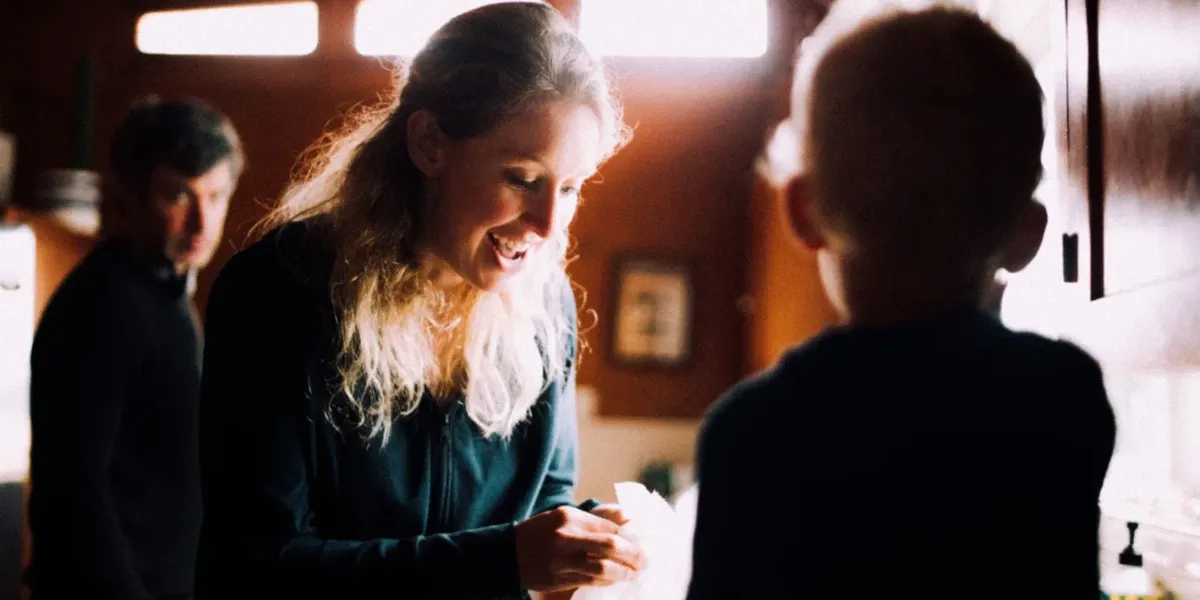
'You Can See Everything' follows Fielder as he works to pull all the skeletons from Holmes' closet before she begins an 11-year prison sentence for defrauding investors in Theranos
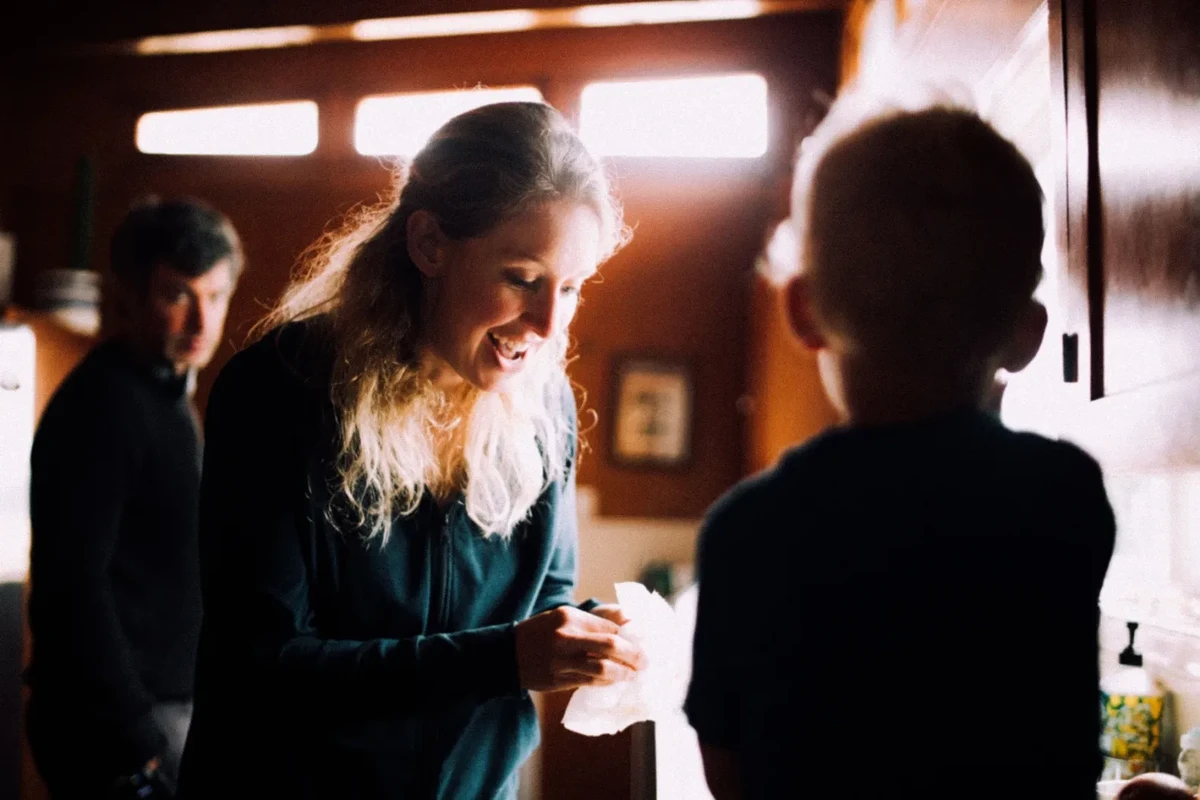
Nathan Fielder isn’t convinced Elizabeth Holmes has nothing to hide in the full-length trailer for A24’s You Can See Everything, a documentary film shot in the 30-day lead-up to Holmes beginning an 11-year prison sentence for defrauding investors in her blood-testing startup Theranos.
Out Oct. 16, the film follows Fielder as he comes to stay with Holmes and her family, using the time under their roof to go digging through their closet for any lingering skeletons. “Does any part of you worry about me being here 24/7?†Fielder asks Holmes in the trailer, following up shortly after with a more direct question: “What if I see something that makes you look bad?â€
Holmes, who began her sentence in 2023, spent a year searching for loopholes to get out of it. She attempted to flee the country, pushed for a new trial, and begged not to be sent to jail. She must have known she couldn’t hold fate off for long. “I think this is the moment in time to capture this story before I’m gone,†she tells Fielder, who directed the film alongside Lance Oppenheim. He’s concerned about whether her version of the story is the truth.
Frankly, he doesn’t really believe her, or her husband, Billy Evans, who says there are “a lot of different levels of wealth†when Fielder asks if he ever worried Holmes was using him for his family’s money. “I still have this weird feeling that there’s some things that I’m not seeing,†Fielder says. Still, Holmes maintains her transparency: “It’s because I don’t have anything to hide.â€
You Can See Everything premiered at the Telluride Film Festival earlier this month. “I really am struggling to this day to understand exactly what I experienced,†Fielder said at a Q&A following the screening. “And one of the things I’m genuinely excited about is for this movie to come out and for people to help me understand what I experienced. Truly, to this day, I don’t quite know what I went through.â€
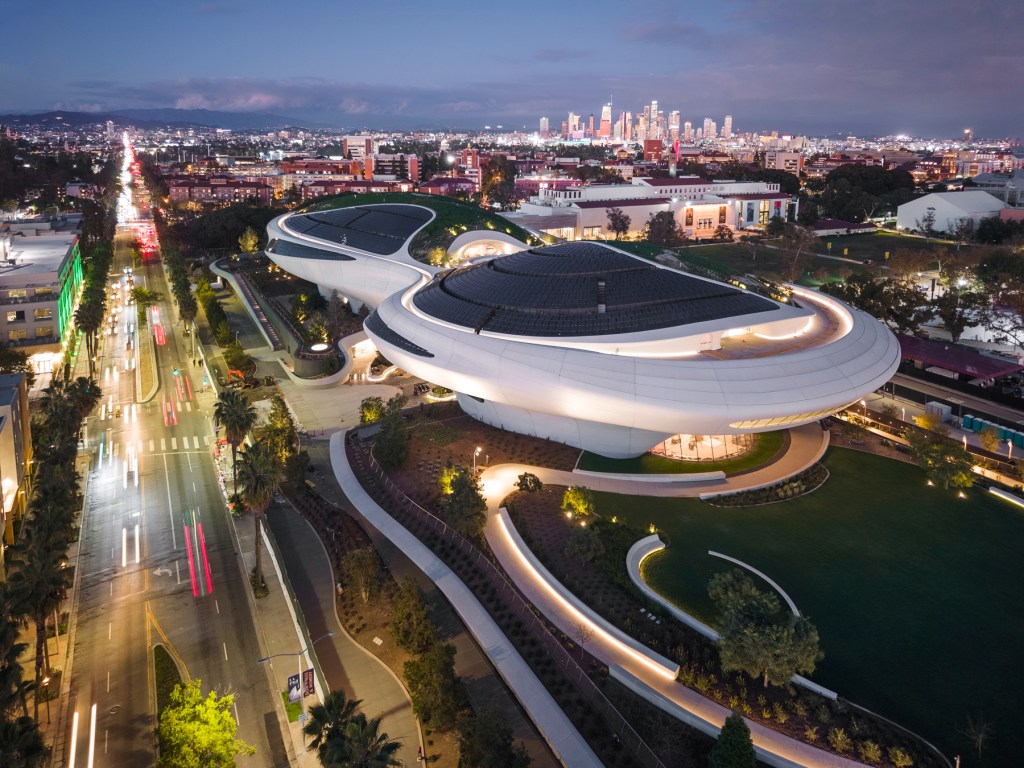
George Lucas and Mellody Hobson’s massive Lucas Museum of Narrative Art — the building designed by architect Ma Yansong that comprises 300,000 square feet and a 13-acre campus — has finally landed in Los Angeles, more than 16 years after they first conceived an enclave dedicated to visual storytelling.
Located in the city’s Exposition Park, adjacent to Lucas’ alma mater, University of Southern California, it opens Tuesday after earlier plans to open in San Francisco and Chicago fell through. After visiting its ultimate locale, its dazzling display of some 1,300 artifacts (the permanent collection houses more than 40,000 works) within 30 galleries feels perfectly at home.
“This has been a long haul,†Lucas, who along with his spouse Hobson has invested more than $1 billion into the project, admitted during a press preview ahead of its opening. He called himself a “contrarian†and added, “I’m fascinated by doing things people say can’t be done.â€
Still, he said, the opening was a celebration to honor illustrators of stories, specifically myths as he looked to connect the thread that makes his museum different. “In the beginning, especially for a few thousand years, that was the only way you could tell a story, was with pictures.
“A picture is very powerful, and the stories are very powerful, and you combine them together, and those two elements create a society,†he added. “And that’s why I wanted to build this, because narrative art creates a group of people with a common belief system, and that common belief system allows them to work together, not kill each other, and do things that one person can’t do.â€
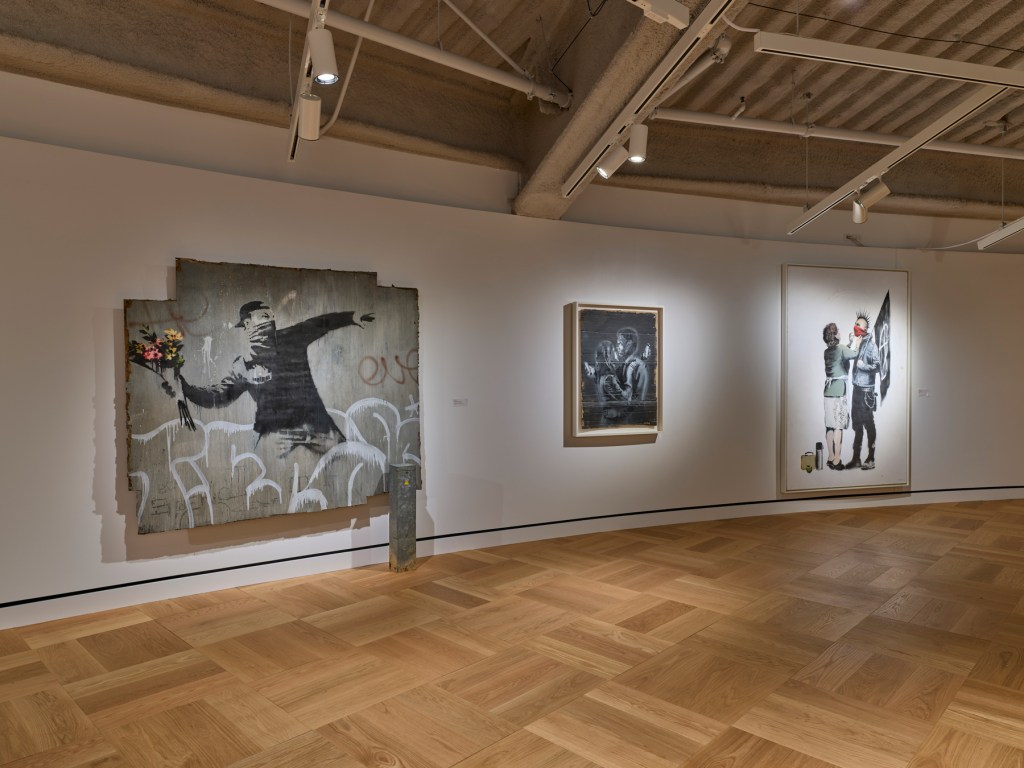
There is a lot to take in. The undulating space unfolds like a labyrinth where it’s easy to get lost for hours, seemingly by design, while wandering the impressive collection. And while the through-line is “visual storytelling,†it can feel like there’s no curatorial rhyme or reason to what’s on view. Round one corner and a life-sized Cowardly Lion from Wizard of Oz greets you, round another and there’s a stunning self-portrait of Frida Kahlo from 1940 and elsewhere a photo of her taken in 1931; a collection of Banksy is displayed near a golf cart armed with torpedoes and guns appearing to mock Trump, complete with a bucket of KFC fried chicken and a hamburger sitting on the seat. What it lacks in cohesion, however, also attributes to its charm — it’s filled with childlike whimsy, wonder, and inspiration despite it feeling a bit disjointed.
Several galleries are dedicated to Illustrator icons such as Norman Rockwell, Jessie Willcox Smith, and Frank Frazetta. Other sections are grouped by topics, like Manga, Children’s Stories, Graphic Stories, Romance, Science Fiction, Love and Community, and Work. Pop culture figures ranging from Batman to Snoopy to an alien from Close Encounters of the Third Kind all make appearances.
Of course, central to Lucas’ legacy is Star Wars, and while the museum dedicates less than 10 percent of its space to the franchise, fans will find comfort from familiar characters. There are models of R2-D2 and C-3P0, alongside Darth Vader and a Stormtrooper. Wax figures of key characters are also scattered throughout. There are seven full-sized vehicles, which appeared on film, on display. Luke Skywalker’s landspeeder from the first film is among them.
Music aficionados will discover some works of interest scattered throughout the museum, with paintings depicting musicians from various eras, but the photography gallery is a must-visit. There, portraits of Louis Armstrong, Richard Avedon’s large-scale portrait of the Beatles from 1967, and Iaian MacMillan’s famous Abbey Road cover from 1969 are interspersed with powerful moments in history captured on film, like the 1968 Olympics Black power salute taken by John Dominis.
There are breathtaking views to take in around the museum as well, with level four boasting viewpoints from the north, south, and eastern sides of the building. At the center of the space and above the public plaza, a giant oculus provides more natural light. The Skywalker Grill on level 5 gives a rooftop vantage to patrons and despite its ultra-sleek looks, it eschews a multi-course menu exclusivity that could’ve easily been the choice in such a gorgeous room. Inside, large booths create intimate spaces within its cherrywood-wrapped walls. Its outdoor terrace features a sweeping panoramic view of the L.A. skyline, including the Hollywood sign.
There’s artwork to discover outside the museum’s walls if you take a jaunt through the sprawling gardens designed by landscaper Mia Lehrer. It’s where you can encounter Princess Leia strangling Jabba the Hutt with a chain among the featured bronze statues.
The “temple to the people’s art†as Lucas has called his namesake museum also houses two theaters and a library. Tickets to the museum are $25, with those under 18, active-duty military, and residents within the museum’s zip code admitted for free. The Park and gardens, store, Skywalker Grill, and café do not require a ticket to access.
Hayden Panettiere
Hayden Panettiere died from the toxic effects of fentanyl and other drugs, with the Greenville County Coroner’s Office also ruling the actress’ death an accident.
Along with fentanyl, the coroner found traces of Alprazolam (more commonly known as Xanax), the muscle relaxant Methocarbamol, and Quetiapine, which is mainly used to treat schizophrenia and bipolar disorder, but can be used to treat depression. The statement from the coroner’s office — released over a month after Panettiere died unexpectedly at the age of 36 — reiterated that an autopsy found no signs of trauma that would have contributed to her death.
At the time of her death, police confirmed that they responded to a Greenville, South Carolina residence on August 16 after reports of “an unresponsive female.†“Upon arrival, medical assistance was administered; however, the individual, later identified as Hayden Panettiere, was pronounced deceased at the scene.†In dispatch audio obtained by People, officials on the call were heard discussing an “overdose†and “cardiac arrest.â€
An investigation into Panettiere’s death was opened, though police said, “a preliminary investigation has not indicated any signs of foul play or suspicious circumstances.â€
While the coroner’s statement provides new details about Panettiere’s death, the official investigation into it remains ongoing. The Greenville Police Department has been leading the ongoing investigation, reportedly with assistance from the Drug Enforcement Administration. A spokesperson for the Greenville Police Department did not immediately return a request for comment on the status of the case.
“It is with profound sadness that we share the tragic passing of our beloved Hayden. She was an incredible light and a force of nature who brought immeasurable love and joy to all who knew her — and to the millions who watched her onscreen,†said her father, Skip Panettiere, in a statement to Rolling Stone provided by the actress’ representative. “We ask for privacy as our family takes time to process this unimaginable loss.â€
Panettiere was known for her broad-ranging film and television roles in Remember the Titans, Raising Helen, Scream 4, Ice Princess, and I Love You, Beth Cooper. Her true breakout role came in 2006, when she played cheerleader Claire Bennet on the NBC sci-fi series Heroes for four seasons, but her star hit an all-time high as Juliette Barnes in the series Nashville from 2012 to 2018.
During that period, Panettiere admitted that she struggled with postpartum depression after the birth of her daughter Kaya Evdokia Klitschko, her only child with Ukrainian champion boxer Wladimir Klitschko, in 2014. She later revealed that she suffered from severe postpartum depression, substance abuse, and anxiety.
In her 2026 memoir This Is Me: A Reckoning, she admitted to drinking heavily in order to cope. She recalled waking up shaking and would need either a bottle of alcohol to get through the day or opioids to help her not drink. She wrote that a doctor told her she’d “be dead within five years†if she didn’t stop drinking. “The first thing I’d thought of when I woke up was alcohol,†she wrote. “Not my child, not my job, and not the rest of my life. I needed a drink to function — at 6 a.m.â€
Netflix has shared the first trailer for The Further Mis-Adventures of Cliff Booth, the quasi-sequel to Once Upon a Time in Hollywood focused on Brad Pitt’s character.
The streaming service previously shared a teaser for the film, but the new trailer offers a deeper look at the David Fincher-directed follow-up, which takes place in 1977, eight years after the history-altering Hollywood.
In Cliff Booth, Pitt’s titular character is no longer a stunt double for Rick Dalton — Leonardo DiCaprio’s character “got too fat for me to double him anymore,†Booth quips — and is now freelancing as a “studio fixer.â€
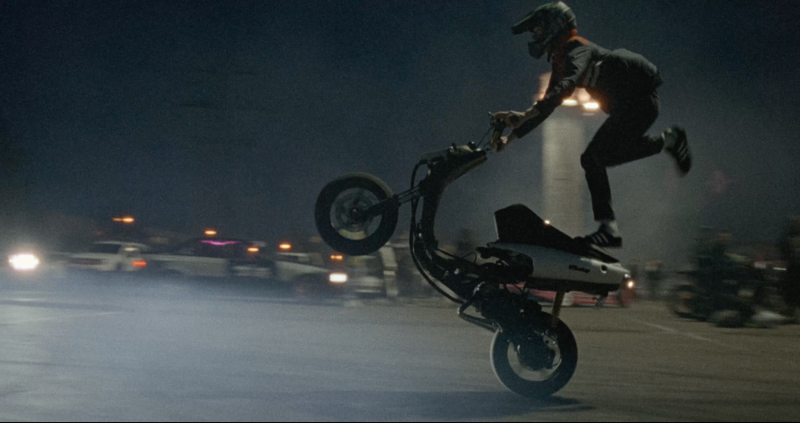
While the trailer finds Booth hopping from movie theaters to bars to demolition derbies, it doesn’t offer much in terms of plot, instead just hinting at his involvement in more Tarantino-esque fare like axe-yielding hitmen, bags full of money, and a wide variety of gangsters, all soundtracked to Led Zeppelin’s “Rock and Roll.â€
“Brad Pitt returns as Cliff Booth, only this time it’s 1977 and it’s a very different Hollywood,†Netflix said in its synopsis for Further Mis-Adventures, which opens November 25 in theaters before heading to the streaming service on December 23.
In addition to Pitt, Cliff Booth also stars Scott Caan, Elizabeth Debicki, Yahya Abdul-Mateen II, Peter Weller, Carla Gugino, Holt McCallany and JB Tadena, while Timothy Olyphant reprises his Hollywood role of real-life Western actor James Stacy. Quentin Tarantino wrote the screenplay, but opted to give the script to Fincher, who reunites with Pitt after Seven, Fight Club, and The Curious Case of Benjamin Button.
The Toronto International Film Festival has officially handed out its hardware. After 11 days of star-studded premieres, packed screenings and the annual TIFF frenzy, the festival has crowned Javier Calvo and Javier Ambrossi’s La Bola Negra as the winner of its biggest audience prize.
The Spanish drama, inspired by Federico GarcÃa Lorca’s unfinished play, took home the People’s Choice Award. The film weaves together three stories set across different periods of Spanish history.
The international prize went to Elsinore, Simon Stone’s drama starring Andrew Scott as British actor Ian Charleson. Lee Chang-dong’s Possible Love finished as the first runner-up, while Hur Jin-ho’s The Assassin(s) took second runner-up.
On the documentary side, Barry Avrich’s Darlene Love: I Know Where I’ve Been won the People’s Choice Award, beating out James Marcus Haney’s Black Sunflowers and Mila Aung-Thwin’s The Ultra Runner.
Then there was Midnight Madness, where TIFF audiences proved they were ‘Canada down’. Matthew Rankin’s Ladies and Gentlemen, Brian Mulroney won the section’s top audience prize, putting the director behind Universal Language back in the TIFF spotlight. Paolo Strippoli’s The Spiral was the first runner-up, with SABU’s Arrested Memory taking second.
Canadian filmmakers also picked up two of the festival’s homegrown prizes. Serville Poblete’s Sunburn won Best Canadian Feature Film, while Cody Lightning’s Smudge the Blades took Best Canadian Discovery.
Imagine you’re hungry, and walk into a buffet. Set before you are dozens upon dozens of steaming dishes, with meals ranging from sloppy-Joe sliders to stir-fried Sichuan noodles to slabs of tiramisu. The variety is impressive. The quality will vary. Your inner gourmand wants to sample as much as possible, with the hope that you leave this vast, overflowing eatery with a varied sense of the best sweet, savory, and especially tasty offerings. Naturally, the glutton in you tries to shove as much of it into your pie hole as quickly as possible, before the owners flip the sign on the door to “Closed.â€
This is arguably the best metaphor we could come up with after roughly 10 days of the 2026 Toronto International Film Festival; there may be a more eloquent equivalent, but this film lover’s version of a food coma we’re in has made us a little woozy. The annual get-together that gathers critics, programmers, celebrities, filmmakers, publicists, and the perpetually cine-curious toward one nation under a maple leaf boasted of having just short of 300 features this year. Add in the shorts programs, the special events, and the extended “an evening with…†chats, and you could easy fill your schedule with options from dawn to midnight. TIFF, as the fest is colloquially known, has always been defined by its abundance. The tagline for the 51st edition could have been: “TIFF 2026: It’s a Lot, Now More Than Ever.â€
Somehow, despite the paralyzing number of options, this year’s festival felt a little wanting, for lack of a better word. The programming team had stocked the lineups of gala premieres, documentary sidebars, world-cinema showcases, and “Midnight Madness†psychotronica with big names and highly anticipated fall titles, as well as a lot of buzzy best-of entries from Berlin, Cannes, Sundance, and Venice fests. Yet growing pains born out of an attempt to integrate a film market into the already fit-to-burst mix and an overall sense of transitional industry anxiety made the event feel slightly weird, vibes-wise. When you hear the 99th person ask, “Is it me, or does this year feel a little off to you?†— let’s just say the buffet could have used some help in the ingredients department, and may want to revisit some of those old recipes.
Still, your personal festival is defined by the highlights, and we had our share. There were more than a few good films with absolutely great performances in the center of them, and at least a trio of movies we fell head over in heels in love with. Those three, along with a handful of other standout titles, are listed below. From a spaghetti Western set in WWII Poland to moving portrait of modern Ukranian teens to a dark buddy comedy set among the giant heads of Rapa Nui, our 10 best of TIFF 2026. (Honorable mentions: Clarissa, The Debut, Edward Said: Between Worlds, Elsinore, Ink, Julián, The Life and Deaths of Wilson Shedd, Pretenders, Neil Peart: No One’s Disciple, and Sisters.)
They ride motorbikes and race cars, dance in dark nightclubs, fall in love, and generally try to navigate the choppy waters of their late teens and early twenties. Then these Ukrainian youths must return to the front to fight Russian troops and/or deal with the aftermath of having witnessed the traumatic effects of combat firsthand. American documentarian James Marcus Haney embedded himself with a half-dozen or so young adults whose coming-of-age experience has been shaped or scarred by conflict, and emerges with a genuinely moving, humanistic look at life during wartime.
Nothing’s shocking, a wise frontman once said. There is a sequence early on in Sandra Wollner’s gutting drama, however, that will leave you gobsmacked, thanks to the extraordinary way that the Austrian filmmaker sets up and frames a tragedy. What’s even more amazing is that her portrait of grief doesn’t even peak at that showstopper; it continues to get better and grow deeper as a teenage boy, a young girl, and her mother travel to a resort on the island of Tenerife as a way of healing their wounds. Wollner’s ability to thread magical realism, mythopoetic surrealism, and good old-fashioned humanistic observation into a truly singular look at picking up the pieces of shattered lives feels like a miracle. There’s truly nothing else like it.
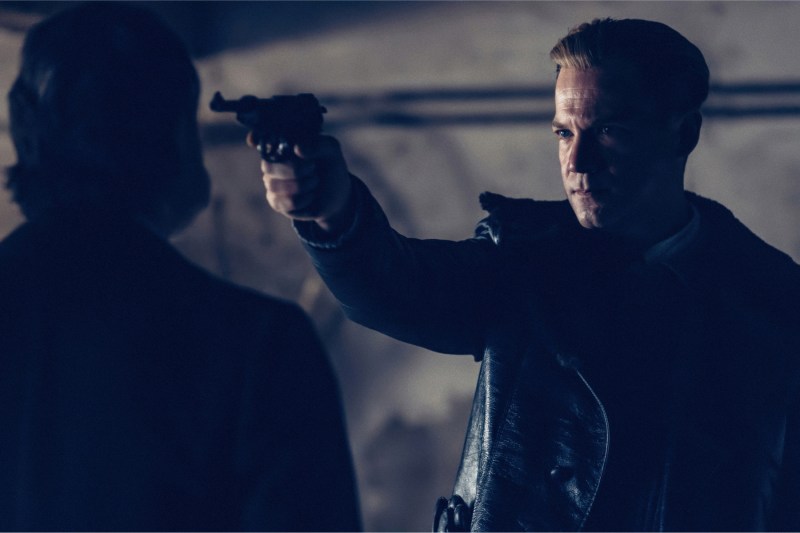
Easily one of the most impressive debuts in TIFF’s “Discovery†program dedicated to next-gen talent, writer-director Tony Vahl’s first feature drops you into a German village during the last few weeks of WWII. Rumors of Soviet troops fast approaching and a growing sense that the war has been lost cast a pall over those left in this rural hamlet, which causes the local authority figures to declare that mass death is a better option than mass surrender. It’s a damning indictment of what happens when blind ideology trumps sanity, and the notion of nationalism leaves far too much collateral damage in its wake.
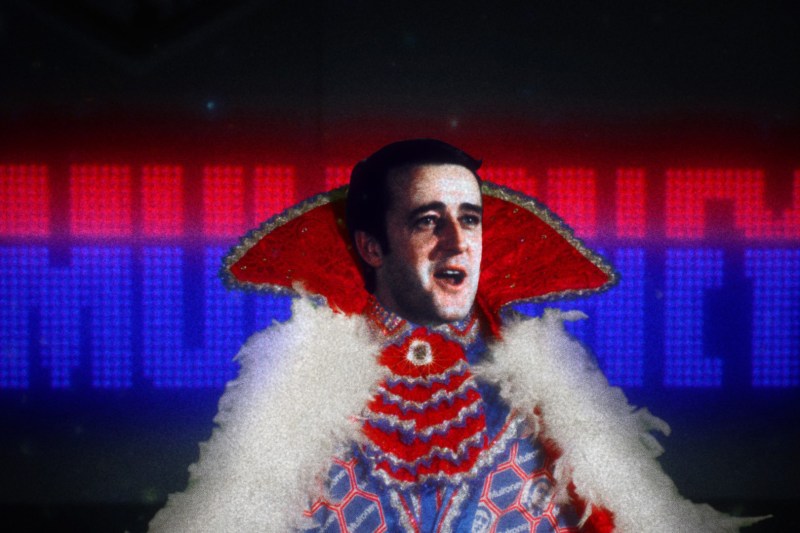
God bless Canada’s unsung cinematic No. 1 Son Matthew Rankin (The Twentieth Century, Universal Language) for giving us this subversive, snarky look back at the rise of the country’s Progressive Conservative posterboy and 18th prime minister Brian Mulroney. It’s not just that he’s ridiculing a divisive figure in the nation’s history, i.e. “the chin who walked liked a man†and helped shove the Land of Maple toward a more mercenary version of right-wing policymaking that seems eerily familiar. It’s the way the cult filmmaker sends up the entire media apparatus around such populist firebrands and the savvy, tongue-in-cheek manner in which he blends groovy 1970s nostalgia, archival footage, and kitschy Canadacana into a hyperventilating fever dream that makes this a true joy to behold. You don’t need to be steeped in the history of Great White Northern politics to recognize a hilarious, angry “fuck you†from the underground when you see it.
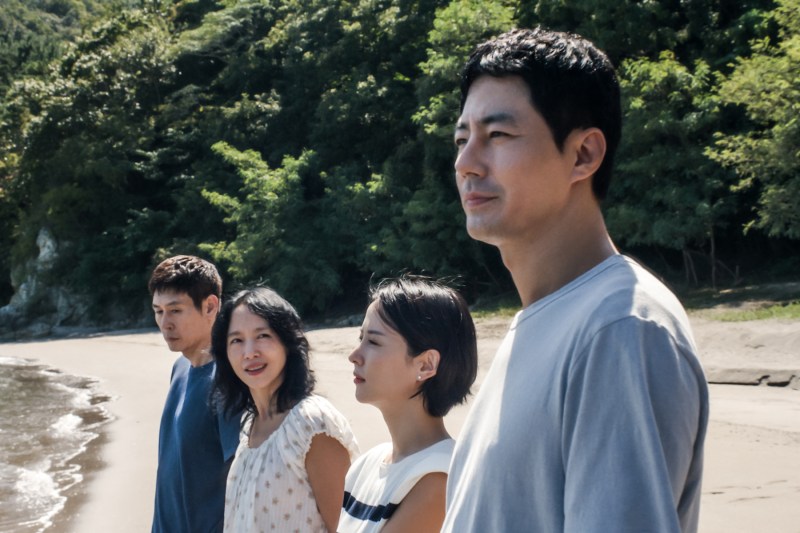
It’s tempting to say that the latest from South Korean legend Lee Chang-dong is his masterpiece — though when you have a filmography that includes Peppermint Candy, Secret Sunshine, and Burning, there’s a lot of competition for the title. But his tale of a documentarian (Parasite‘s Cho Yeo-jeong) making a movie about a working-class couple (played by Jeon Do-yeon and Sul Kyung-gu) involved in a labor-rights protest is so beautifully observed, so meticulously constructed, and such an emotional time bomb that it feels like a bravura achievement even in a career like his. Commentary about class, activism, trauma, workplace pride, state-sanctioned violence, economic downturns, entitlement, and the exploitive nature of nonfiction filmmaking itself is subtly threaded within a very human story about four people — Hope‘s Zo In-sung rounds out the main cast as the documentarian’s old-money husband — on a collision course. There are layers on top of layers in director Lee’s storytelling, and moments involving unexpected callbacks and camera movements, that suggest a narrative game of three-dimensional chess is being played. Yet it’s also a work that never takes its eyes off the intimate interactions between these two couples, as well as the vast chasm of money and empathy that exists between them. The best film of the festival, hands down.
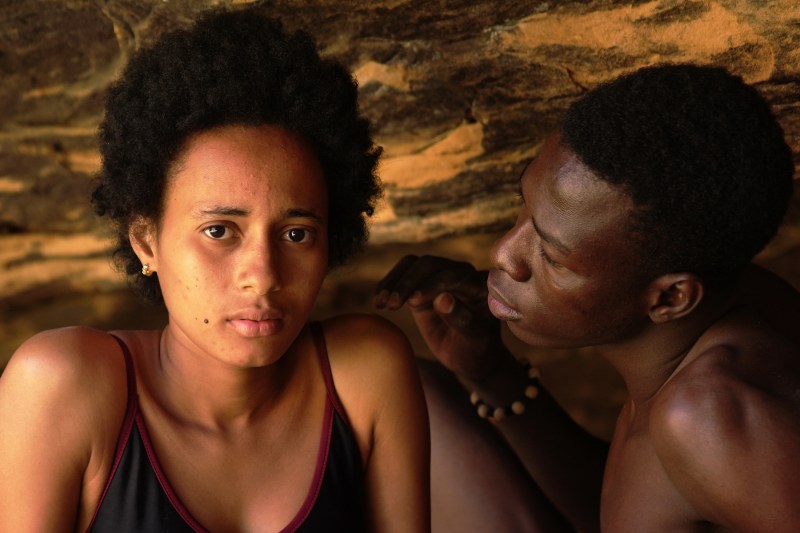
Mahamat-Saleh Haroun (A Screaming Man, Lingui) returns with another fable-like social drama about a young woman (Maïmouna Miawama) cursed — or possibly blessed — with visions of the past, the future, and the spirits of the dead. She slowly bonds with an older woman (Achouackh Abakar Souleymane) who the village elders believe is a witch, and responsible for the deaths of numerous newborns. It’s a deceptively simple tale, albeit one in which the entire concept of who is labeled a social pariah and why is poked and unpacked in Haroun’s usual sublime manner.
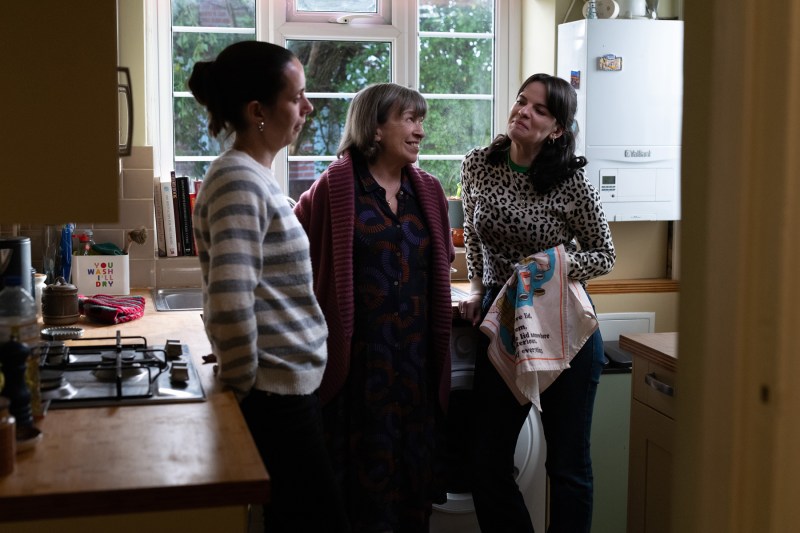
It’s been suggested that this characteristic take on everyday people dealing with life’s curveballs may, in fact, be Mike Leigh’s final movie. If so, the British filmmaker who’s spent five-plus decades exploring the human experience with grace and grit, and collaborating with actors to fashion characters that feel all too recognizable and real, is going out on a serious high. A social worker (recent Emmy winner Kate O’Flynn) who’s just gone through a breakup moves in with fellow civil servant and longtime best friend (Alice Bailey Johnson). Meanwhile, the social worker’s elderly parents (Marion Bailey and Paul Jesson) find themselves entering the chapter of their autumn years, the winter of mortality closing in. We’ve come to take Leigh’s status as a creator of deeply resonant comedies and tragedies for granted, yet this potential swan song reminds you why he’s so vital, and so genuinely sui generis. The movie earns its title with honors.
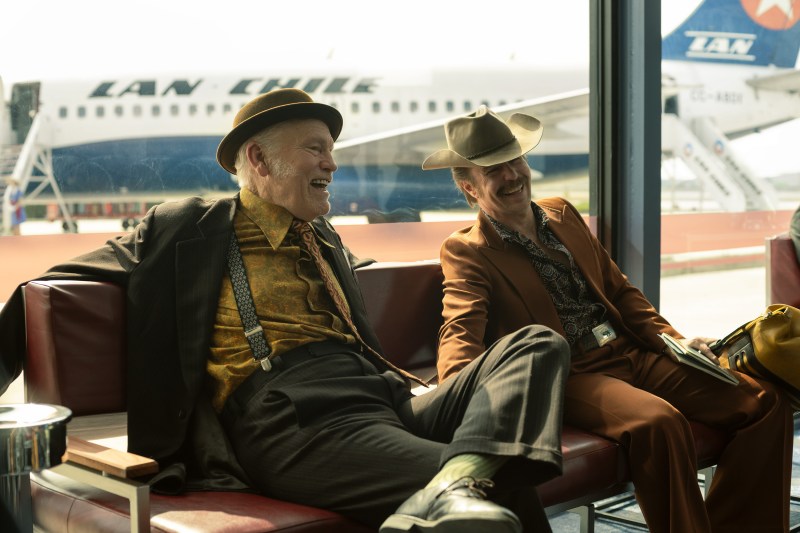
Martin McDonagh drops another gloriously profane buddy comedy, casting John Malkovich as a longtime C.I.A. operative and Sam Rockwell as his younger dirty-tricks counterpart on vacation in Rapa Nui. The veteran intelligence-agency spook is contemplating a memoir that would reveal a graveyard’s worth of skeletons in his closet, especially regarding U.S. involvement in South American unrest. His traveling companion has been tasked with making sure that doesn’t happen. We understand why several fellow TIFF attendees referred to this as “In Bruges relocated to Easter Island,†but McDonagh’s latest take on male bonding, political shenanigans, and the burden of history is anything but a lazy reprise. The playwright turned filmmaker is simply using his signature formula to once again poke at the dynamic of volatile men living in perpetually volatile times, and hasn’t lost his penchant for hitting bullseyes. To say that Malkovich was born to play this role may sound like overkill, given that he literally played a legion of John Malkovichs. But if this isn’t a career highlight for the star, we don’t know what is.
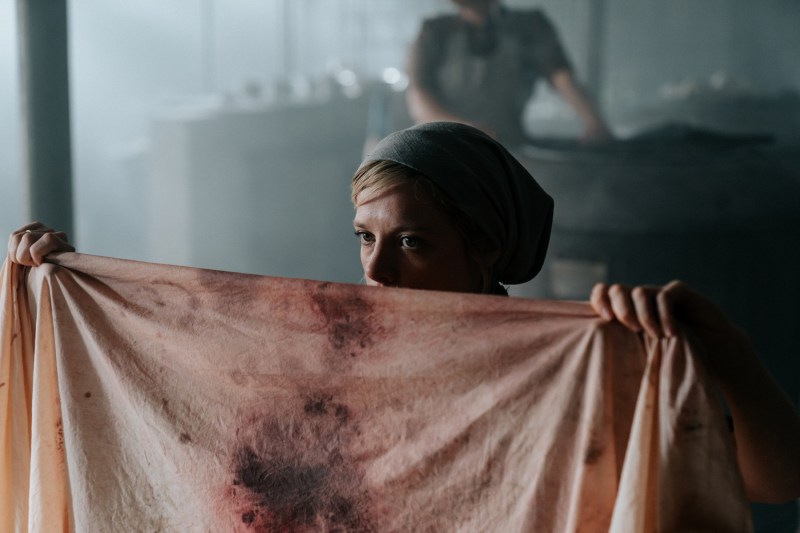
A stranger rides into a small town on a horse, in search of some gold contraband; he’s got to contend with fellow hunters, some morally shady locals, and a corrupt power structure. Did we mention that this doesn’t take place in the 19th-century American frontier, but occupied Poland circa 1943? The fact that writer-director Jan Holoubek so deftly transposes the template for a Sergio Corbucci-style spaghetti Western onto a WWII setting would have distinguished this thriller on its own. But then a late-act pivot makes you realize the game the film is really playing, and what seemed like merely a nifty genre hybrid takes on a deeper sense of purpose.
Whether or not you mourned the fact that Mahershala Ali’s potential Blade movie had a stake put through its heart by the Marvel Studios’ powers that be is a matter between you and your god. What we can say is that this kinetic collaboration between the Oscar winner and his would-be collaborator on that MCU entry, director Bassam Tariq, makes that project superfluous. Ali’s hero, a devout Muslim and widower named Latif who’s attempting to raise two teens and a newborn on his own, has a history of violence in his past, courtesy of his former job as a professional killer. He’s dragged back into the life when an old boss calls in a favor, which ends up putting Latif in the crosshairs of a local pastor-cum-cult leader (John Cho, fully unhinged and loving it). Given how flat-out phenomenal this melding of action movie, character study, and left-field examination on the power of faith is, the demise of that other film was a blessing in disguise.
Images from the story




End of article