Jonita Is Still In Her ‘Baddie Era’
The pop artist talks about touring with Anirudh Ravichander, teaming up with fellow Toronto artist JP Saxe for ‘Broken Parts’ and making her acting debut Pop artist Jonita. Ind…
The pop artist talks about touring with Anirudh Ravichander, teaming up with fellow Toronto artist JP Saxe for ‘Broken Parts’ and making her acting debut
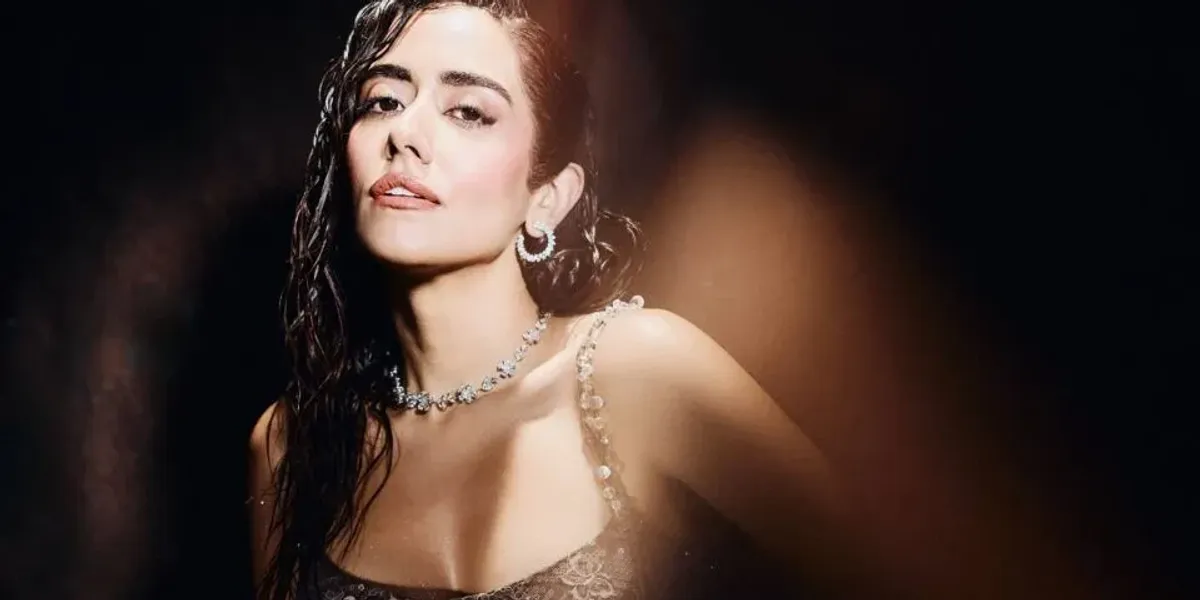
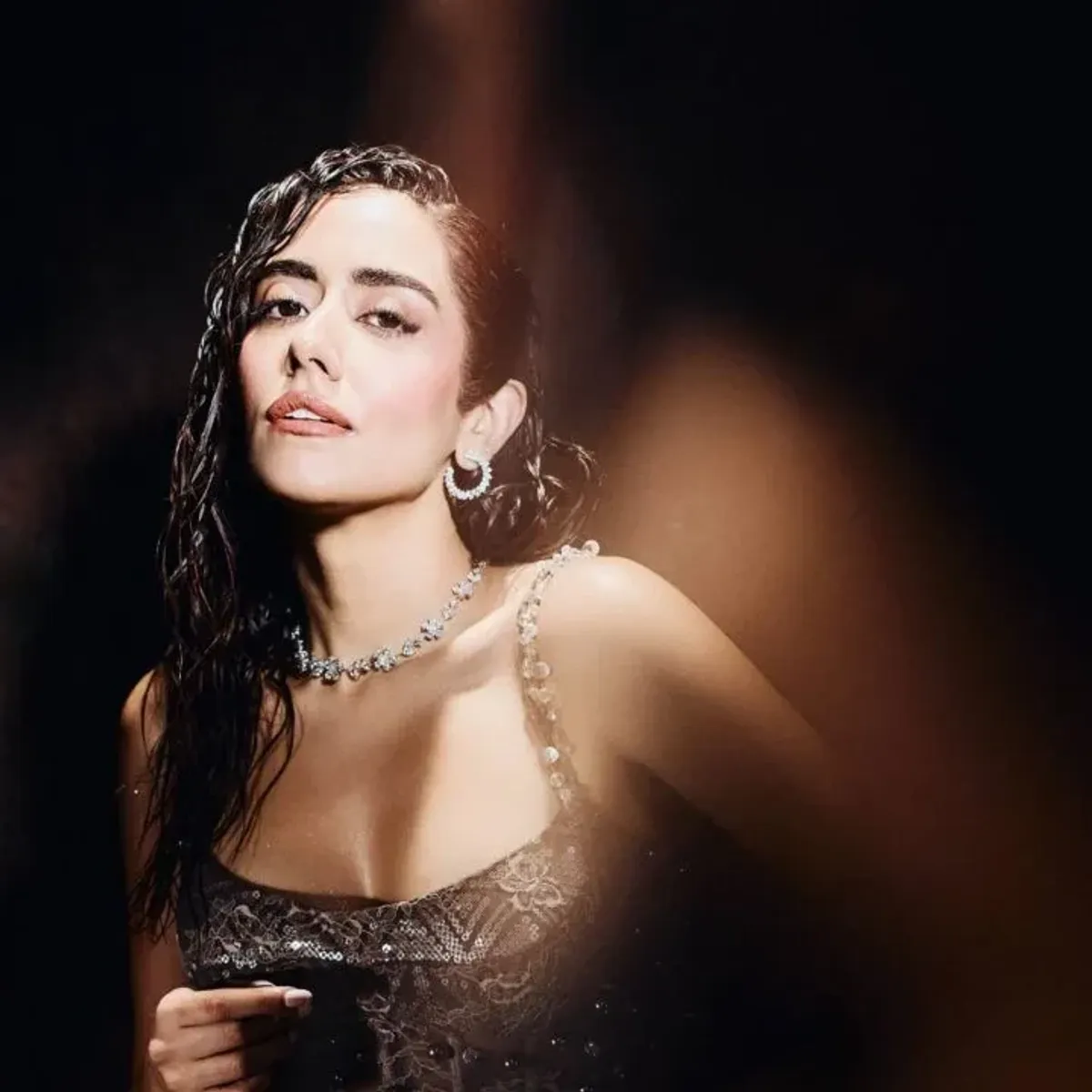
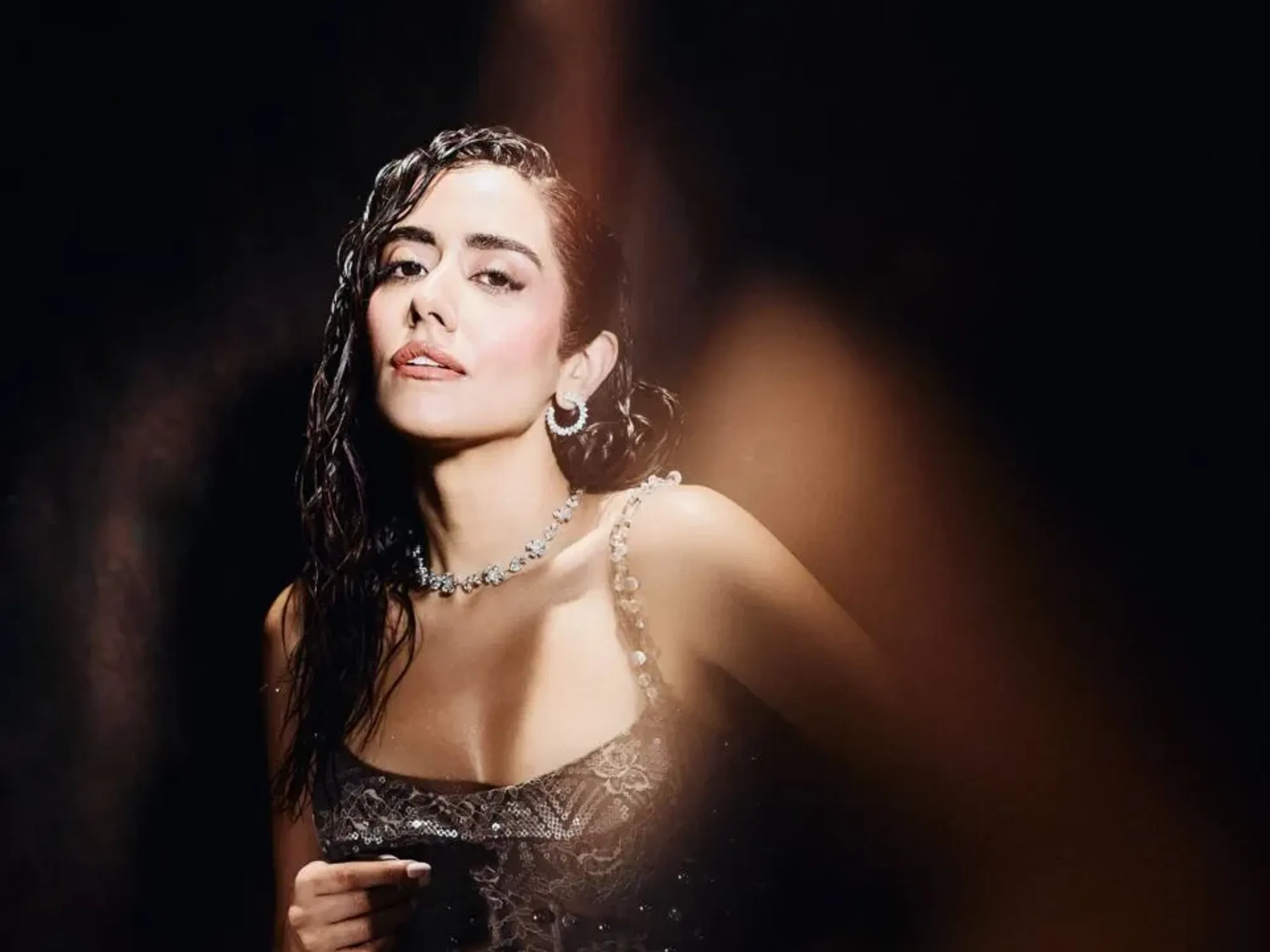
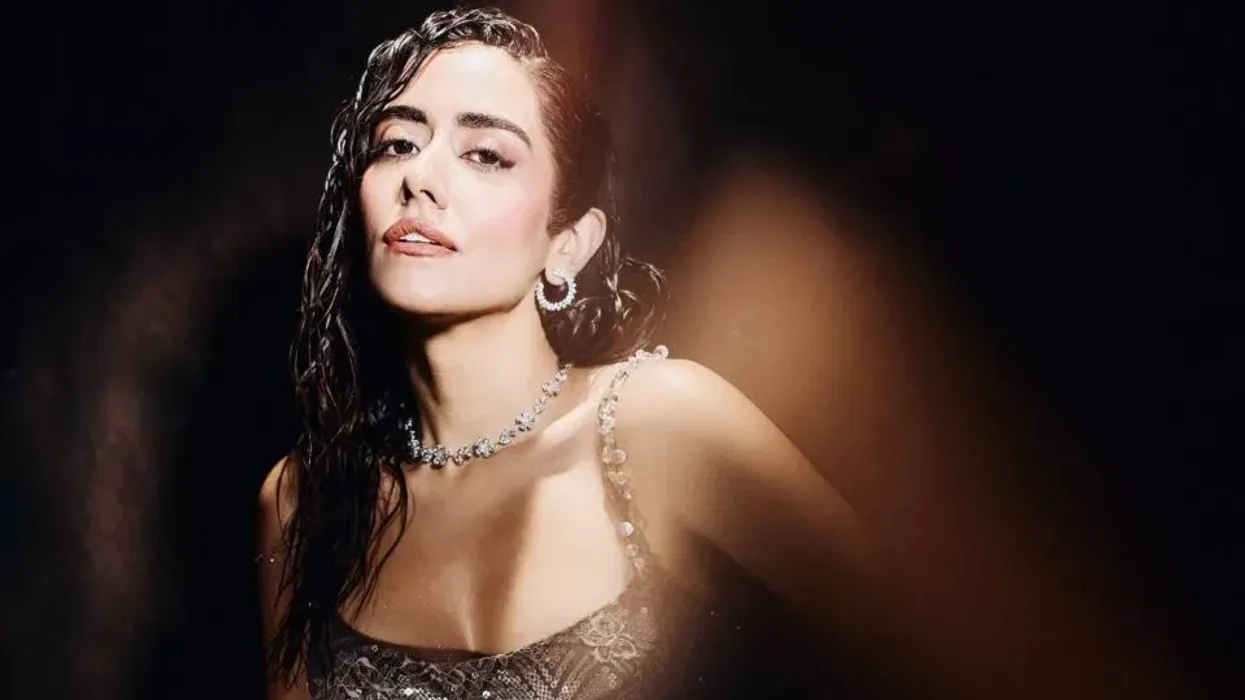
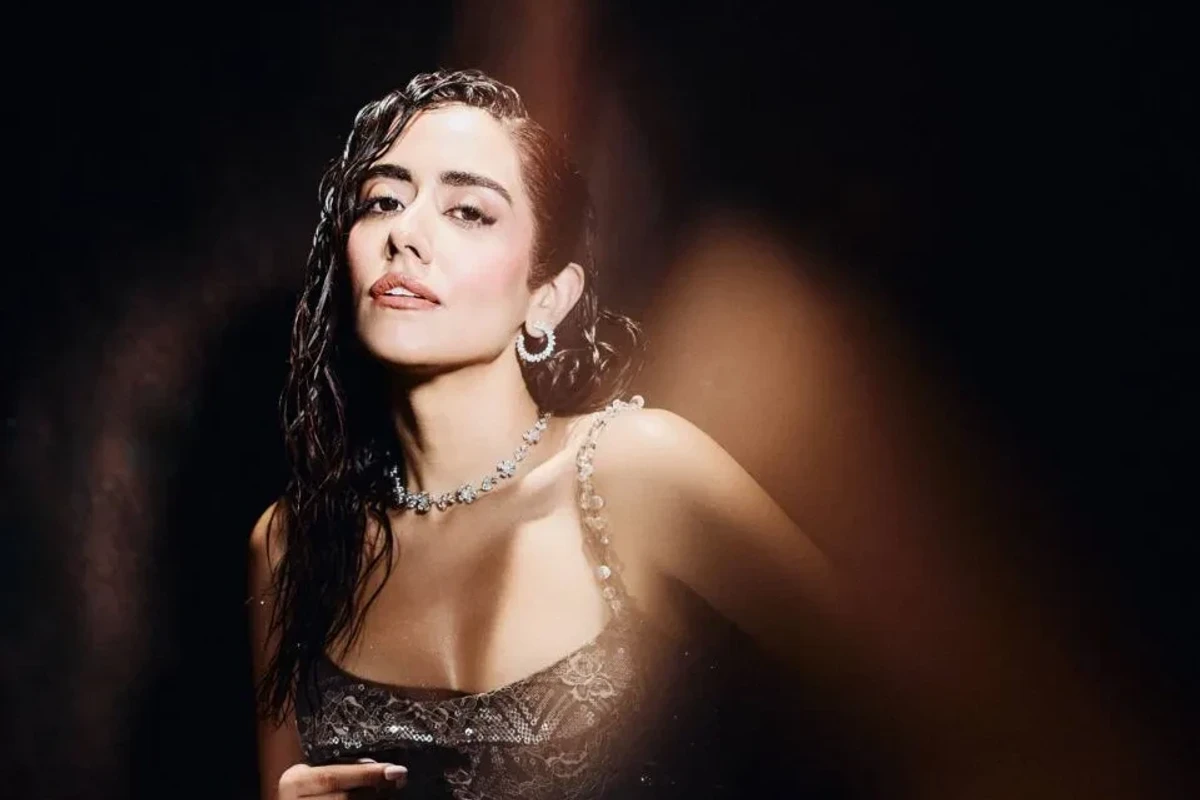
Pop artist Jonita.
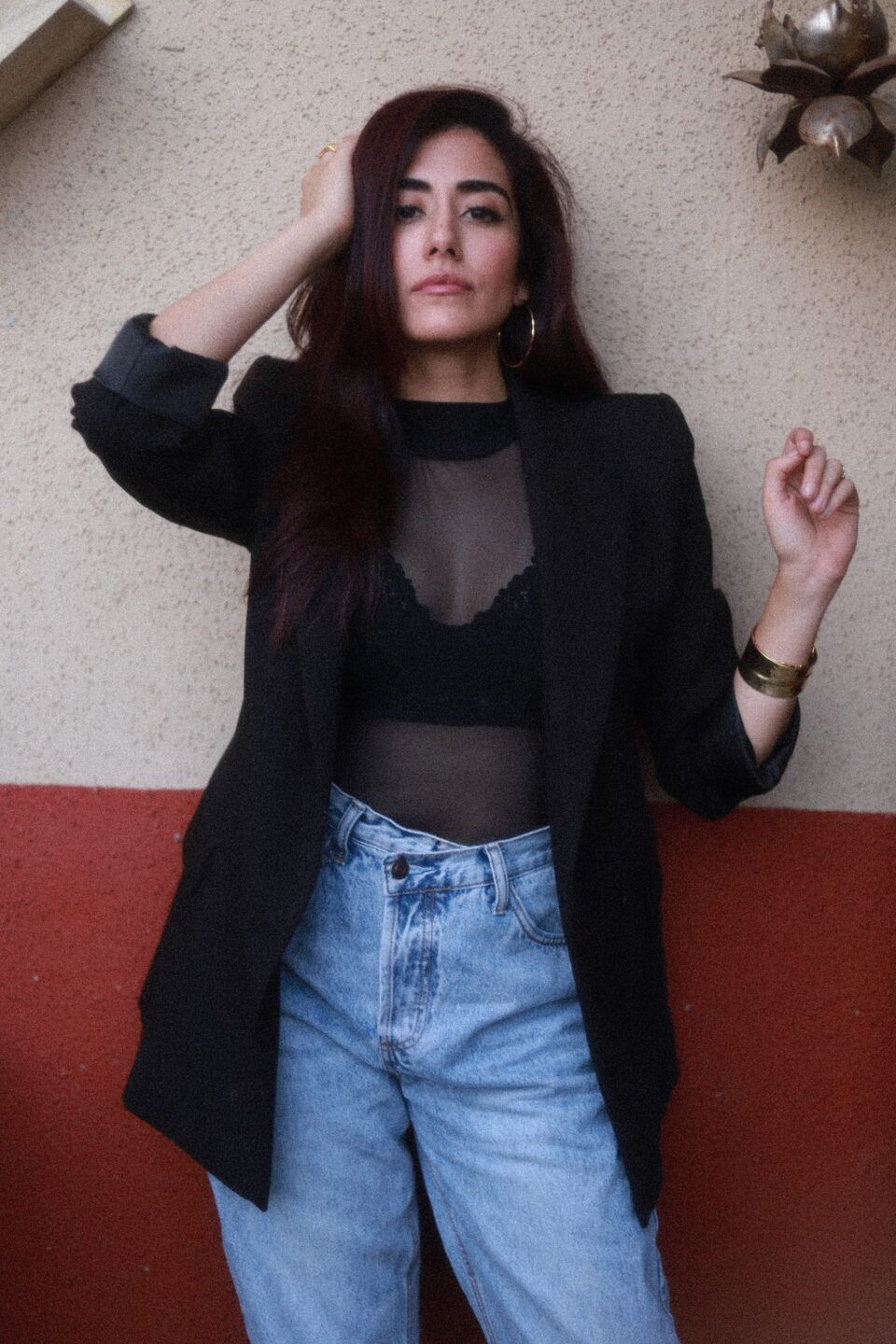
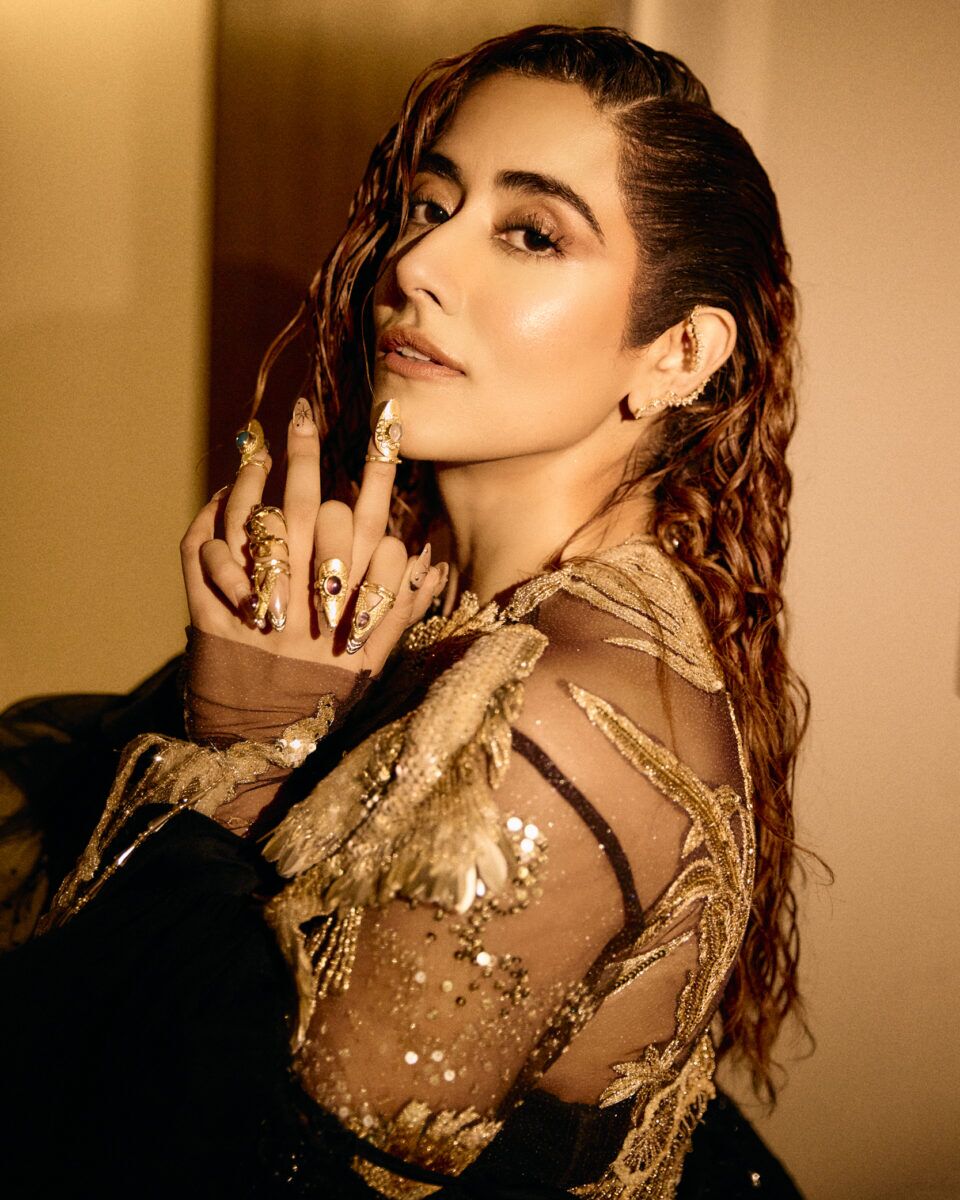
India-born, Canada-raised and Mumbai-based pop artist and singer Jonita Gandhi has spent over a decade proving that language is no bar and in fact, her strength.
The Indo-Canadian singer, who’s lent her voice to hits in Hindi, Tamil, Punjabi, Telugu and beyond, recently added a new dimension with acting, making her debut as a schoolteacher in Aakash Baskaran’s romantic drama Idhayam Murali, alongside Atharvaa Murali and Fahadh Faasil.
On the music side, she’s just dropped “Broken Parts,†a tender, multilingual duet with Grammy-nominated Canadian singer-songwriter JP Saxe — a collaboration two years and one pandemic-viral moment in the making. We caught up with Jonita from Dallas — mid-tour with South Indian hitmaker Anirudh Ravichander and mid-scramble to learn an unreleased Telugu song for that night’s show — to talk about crossing over into acting, the pressure of singing in languages that aren’t her own, and why she’s not done being “unapologetically†herself just yet. Excerpts below:
Rolling Stone India: You’re in Dallas right now, and I hear you were up late learning a brand new song for tonight’s show. What’s that process usually like when it’s a language you don’t speak?
Jonita: Honestly, I feel like it’s luck at this point. Sometimes it feels so easy — it’s words I’ve sung before, I’m familiar with the pacing, so I have time to think and sing. But sometimes it’s so fast, and if you don’t already speak the language, it still feels like gibberish to a certain extent — it’s just sounds, you know what I mean? I just kind of assess it, song to song, and spend time accordingly. Some happen really fast, some take forever. I don’t think I have a really good hack, but the more I do it, it definitely gets easier. What I will say is singing in languages that are foreign is way easier than speaking or doing dialogue, because you have a melody to stick to — it programs your brain to remember how the vowels or words sound, because it’s glued to a melody. Even when someone’s trying to teach me how to say something normally, I’ll subconsciously end up putting a little melody to it. Otherwise, it’s impossible.
You’ve talked about the pressure of performing songs, sometimes not even your own, in front of massive audiences who know every word. What’s that like?
It’s a lot of work, especially on shows like this, where it’s massive audiences, big venues, and there are people there who know the song word for word. So I have to match that energy of knowing it too, even though for me it’s foreign — that’s their language. Everybody in the audience is ready to nitpick — not that they do, touch wood, so far so good — but I just don’t want to let them down. Even at A.R. Rahman concerts, when I have to sing his repertoire from the Nineties and early 2000s — songs that are ingrained in us — I’ll have to sing it in a different language, so I’m like, now I have to relearn or unlearn it the way I know it, and relearn the phonetics, the scanning, as they call it. That pressure is what motivates me to put in the extra time and effort beforehand that nobody sees.
When you get to make a song your own, through a cover, does it feel different?
Sometimes it’s very spontaneous, and it just flows out in a unique way — one of my friends, who’s actually from Dallas, calls it the “Jonita-fied†version, which is really funny. When that happens organically, great. But sometimes when I’m doing covers I remember intentionally thinking, “Okay, how do I make this my own?†On stage, though, I kind of let it happen spontaneously.
Let’s talk about your acting debut in Idhayam Murali. How did that come about?
It’s funny, because I’ve always been interested in acting, but I always felt singing was my forte — I’d had way more training in it. When I was younger, I used to do acting camps, and I always thought maybe I’d do musical theater, but that’s not really a big thing in India the way it is in the West. So I went hard on the singing, and I’m still going hard on it, but now opportunities are coming for acting, and I thought, maybe this is my chance to live out that dream, at least in small ways for now. I’ve done three acting workshops already — expensive ones, ten days, seven days — because I didn’t want to step on screen before I’d put in some work. Even though I’ve been on camera for years as a performer, acting is a very different skill, and I’m still new at it relative to how new I am at singing. If people know me to be of a certain caliber as a singer, I felt that pressure once this opportunity came my way.
Honestly, the director was more convinced than I was that I could do this. He was initially playing with the idea of casting me in a longer role, and I said no. I was nervous; I had shows, and I didn’t want to half-ass it. So that idea kind of fell away because it was too much of a commitment for where I was at. Then he came back with a much shorter part. Earlier in my career, I was mostly asked to audition for roles where singing was involved — playing a musician, or someone from the music world — but this had nothing to do with music. I play Geetha, a schoolteacher in Trichy. It’s a story within a story — most of my part is a flashback to when the hero is a child, and it’s about the first time he falls in love, which is with his teacher. That’s so relatable — it’s never going to materialize when you’re a kid in love with your teacher — and I thought it was such a sweet story, written in a way that really resonated with me.
- YouTube youtu.be
Are more acting offers coming in now? How are you thinking about them?
Right now, honestly, I’m just training. I’d love to do something meaningful — let’s see, it’s tough. It’s a whole other world when it comes to choosing acting projects versus music projects. It feels a little heavier, and it’s more of a time commitment, because when you’re shooting, you’re out for a stretch, and that’s a different calculation than deciding whether to sing a playback song or write a track.
You had “Broken Parts†with JP Saxe come out recently. How did that collaboration happen?
I first discovered him during the pandemic, when his song “If The World Was Ending†[2019] — the one that goes “you come over, you stay the night†— went crazy viral. It was everywhere, and I was obsessed. I used to do this thing called Sunday Singstagrams, little singing clips every week, and I think I did two of them for that one song because I loved it so much and resonated with the lyrics. Then I looked him up and realized what a good songwriter he is, and what a beautiful voice. From then on I kept an ear out subconsciously. His name came up again about two years back — he was performing in the Middle East, and a mutual friend from the music world was with him. I said, “If you’re with JP, tell him I love him.†He sent me this really sweet video message through his phone. We started following each other, and then he was working on his new album and sent me one or two songs, saying, ‘Let me know if I wanted to jump on any of them.’ Both were beautiful, but “Broken Parts†especially.
I resonated with it and felt it would sound so beautiful as a multilingual duet. The melody of the existing version, the way it was arranged, so acoustic — it lent itself so well to some Hindi. The second verse was completely bare, so I composed a new melody for it, brought in Shayra, a lyricist I work with, to help fill in the words, and sent it back. He loved it. The song’s been “done†— the writing, at least — for almost a year now, maybe half a year at minimum. I kept pushing to know when we’d put it out, and we finally found the right moment. I also met up with him in Toronto a couple of months ago to record a live version, which we shot and put out on YouTube as well.
You’re both from Toronto — did that shared background make the collaboration easier?
I feel like you can resonate with fellow Canadians a hundred percent. I don’t know what it is, but Canadians get on really well with other Canadians, especially when we’re both traveling a lot, which we both do. When we first met in person, I realized how easy and fun it was to be around him. It’s like, we can just WhatsApp each other and decide things. But in person, in the studio, there was a new kind of magic, because we’d done everything remotely up to that point — he’d recorded his bits, I’d recorded mine. In person, I realized there was a bridge section I wanted to extend so I could add another part, and he loved the idea — but said I had to sing it with him. So the same day we shot the live version, I taught him four lines of the Hindi bridge and made him sing it. He sounds so good — he has a real knack for languages, he does a lot of cross-collabs with Spanish artists too, so I felt like he’d be a natural, and he was.
I think it comes from growing up in Toronto, in that melting pot of cultures — we’re both used to having friends from everywhere, experiencing food from everywhere. So it’s normal for us to want to incorporate that into the music, because that’s what we grew up around.
We’re seeing a lot more of this — Indian languages crossing over globally, whether it’s Punjabi meeting English, or artists like Ed Sheeran incorporating Indian adaptations of their songs, which you’ve been part of. What’s your take on that wave?
For me, the number one priority in any of these opportunities is authenticity — you should never have to manufacture that. It’s cool that it’s happening, but the best way for it to happen is organically; you shouldn’t force it, because it sounds forced otherwise. There’s actually a song I can’t even remember the name of because it never came out — they wanted me to sing Punjabi on an otherwise English ballad, and I just felt it’s not how I think. I think in English, but I speak more fluent Hindi than Punjabi. If I’m the one co-writing, unless we start completely from scratch on the lyric, it’s not going to feel natural to me specifically — not that it would sound bad, but it wouldn’t be authentic for me. It just needs to feel authentic and not forced, and then you have something magical. On “Broken Parts,†I preferred doing Hindi because it flowed with the melody and I could contribute more, since I speak it. But the possibilities are endless — it all depends on what the song represents for you.
Where are you at right now in terms of saying yes or no to things — whether that’s film song offers or your own music?
I’m in a place right now where I’m trying to do more things led by where I want to go, versus waiting for opportunities to fall in my lap and running with those. I’m trying to be more actively involved in creating opportunities for myself, and I want to focus on the projects that genuinely excite me. I’ve been here over ten years now — how did time fly? I’ve gotten a lot of great experience, and I feel like people can tell the difference — when I’m promoting something I really love versus something I’m just putting up a customary post about. I put out a song called “Beparwai†that’s about being unapologetically yourself as a woman, not having to define yourself by being in love with a man. That’s a topic I really believe in — I’m a Punjabi girl with roots in Delhi, raised in Canada, and everything about that song felt very me. We even shot it with me doing full choreography, which I love — dancing is my favorite thing.
The way I promoted that song, I felt so happy, so unbothered about spamming people with it, because I was proud of it. That feeling was addictive, and I want to be that excited about everything I do — which doesn’t really happen when people just hand you a finished song, and you’re only there to sing it.
- YouTube youtu.be
You played Lollapalooza too — what was that experience like?
That was the most stressful, but also the most rewarding show of my life.
There’s this idea now of artists moving through “eras†— do you feel pressure to constantly reinvent, especially in this attention-deficit age?
Every time you say “era,†I think of Taylor Swift, because of her Eras Tour. But I do think it makes sense. As humans, forget artists, we go through phases. It’s normal to feel something really strongly, like in relationships — you think this is right for you, and if you break up two years later, people ask what’s wrong with you, but perspective changes. I guess an era is just a way of categorizing the phases of your life. My problem is my eras change fast. They’re very short-lived sometimes, but I do think it’s a good way to take your audience on the journey with you. After my EP Love Like That, I put out two or three back-to-back songs — “Channa,†“Noorie†— that were a softer, more feminine visual era, so I’m guilty of doing it too, I just never called it that.
I must’ve been in my “baddie era†when I put out “Beparwai,†and honestly, I still think I’m in that “baddie era.†All my new singles, other than the JP one, fit that — though the JP song was actually written before that phase started, which is the funny thing: when you write and make a song isn’t always in line with the era you release it in. You have to accept that, and that everyone has different sides coexisting at once. I can’t fully commit to just one era, especially when I’m collaborating with someone else whose schedule doesn’t follow my “baddie era†timeline. But I do like the idea of taking the audience with you through a phase, letting them in, staying consistent in it — I think it helps people understand who you are a little better.
What can we expect next from this “baddie era�
I’m still being picky right now, but there are a few songs I’m really excited to put out. It’s hard to define what “baddie era†even is, but I mean a little more bold, and dancing is a big part of it for me — I’m hoping to put out music that makes people dance in the coming days. I’m still finalizing things, and we’ll be shooting videos very soon — lots of singles in store. But you never know with me — I might throw in a sad song too. Life’s full of sharp turns. You’ve just got to roll with them.
Chad Gilbert of New Found Glory performs during Vans Warped Tour on July 29, 2012.
New Found Glory has canceled their performance at Aftershock Festival in Sacramento, which was set to begin next week, following the death of bandmate Chad Gilbert. In honor of the founding member and lead guitarist, who was a dedicated Disney fan, the band will play their first live shows at EPCOT in Walt Disney World Resort.
In a statement shared to social media, New Found Glory thanked fans for their support following Gilbert’s death. “Seeing how deeply he touched so many lives means everything to us, and we know he would be so proud to see it,†they wrote.
“To give ourselves time to process and grieve, we have made the decision to cancel our upcoming appearance at Aftershock Festival. We rarely cancel shows but this felt needed,†the band continued. “Anyone who knew Chad knew that he was a massive Disney fan. Our shows at Epcot were dates he was so excited for and he was actively planning to be on stage with us there.â€
New Found Glory said that Gilbert had worked with his band members on the set lists and was “practicing as much as possible to be ready.†They added, “Because of how much he wanted to play these shows, taking the stage at Epcot feels like the right way to honor him, and what he would want us to do. Our plan from the beginning with him was to announce our Epcot sets ahead of time, so we feel it’s only appropriate to share them with you now as we prepare to play in his memory.â€
See on Instagram
Before ending their message, the group set their intention for the upcoming shows: “Every note we play and every word you sing at Epcot is for Chad. Thank you all for wrapping us in so much love, understanding, and support as we come together to honor his legacy.†The band also shared the set list for the upcoming shows, which includes fan favorites “My Friends Over You,†“Dressed to Kill,†“Hit and Miss,†and more.
The Florida pop-punk band and Gilbert’s wife Lisa Cimorelli announced Gilbert’s death on Sept. 20, six months after the guitarist revealed he was battling brain cancer. He was initially diagnosed with liver cancer in 2021.
Since founding the band alongside Jordan Pundik, Ian Grushka, and Stephen Klein in 1997 at just 17 years old, Gilbert became an invaluable part of New Found Glory and the pop-punk scene in the early aughts. Gilbert wrote most of the band’s songs, including pop-punk staples “My Friends Over You†and “Head on Collision.†Elsewhere, he offered guest vocals on a track from Fall Out Boy’s From Under the Cork Tree and guitar riffs on the band’s 2007 song, “The Take Over, the Breaks Over.â€
“Through more than a dozen albums, endless tours around the world, and more accolades than we ever could have imagined, Chad challenged all of us to grow as musicians, performers, and human beings,†his bandmates wrote in a statement announcing his death. “His influence will always be part of New Found Glory and his spirit will be felt on every stage we stand on, with every note we play.â€
Taylor Swift on June 11, 2026 in New York City.
Taylor Swift’s legal war with real-life Las Vegas showgirl Maren Wade took center stage again Wednesday, with the singer’s lawyers blasting Wade’s trademark infringement lawsuit as “meritless†ahead of an early October hearing on Swift’s bid to toss the case.
“Plaintiff’s overarching assertion that consumers are – or could be – confused into believing that Ms. Swift, a 14-time Grammy Award winner and global musical icon, is the source of or is associated with plaintiff’s podcast, book, or live cabaret performances at golf resorts and RV parks is nonsensical,†Swift’s lawyers wrote in their new filings obtained by Rolling Stone. “The court may dismiss where confusion is unlikely, and the court should do so here.â€
In a pair of replies filed in federal court in Los Angeles, Swift’s lawyers again argued that her latest album, The Life of a Showgirl, is a “quintessential expressive work†protected from trademark claims. They said album T-shirts and other promotional merchandise are similarly off-limits as “a logical extension of the expressive work.â€
The lawyers also argued that Wade’s claims under California’s Unfair Competition Law (UCL) improperly seek to apply the statute “extraterritorially to a Nevada plaintiff.†They said Wade had failed to “identify a single case where trademark infringement served as the basis of an unfair UCL claim,†contending that the cases she cited instead involved false advertising.
Swift’s lawyers further claimed that the Los Angeles federal court lacks personal jurisdiction over the singer because she is a Tennessee resident. They rejected Wade’s claim that Swift specifically promoted the allegedly infringing album in California when she appeared at the 2026 iHeartRadio Music Awards to accept an Artist of the Year award. “Stretching an award show acceptance speech to constitute ‘advertising’ is ridiculous,†they wrote.
“Plaintiff’s claims were – and are still – baseless,†Swift’s lawyer Max N. Wellman and his co-counsel at Venable wrote in their main 16-page filing. “Having already amended once and still failing to plausibly allege any claims, plaintiff is not entitled to anything more. This case should be dismissed with prejudice.â€
Wade sued Swift for trademark infringement in March and asked for an emergency moratorium on merchandise sales while the case plays out. Her lawyer did not immediately respond to a request for comment on Wednesday.
Wade is a working performer who parlayed her 2014 “Confessions of a Showgirl†column in Las Vegas Weekly into a live show, a touring production, a book, a podcast, and her trademark. She claims that when Swift announced her album name, she was excited at first, but then the album’s overwhelming success quickly overpowered and drowned her out.
“‘Confessions of a Showgirl’ is not one mark among many for plaintiff. It is the only one she has,†her court filings, obtained by Rolling Stone, say. “[Wade] has built her professional identity under it for more than a decade, and she has no portfolio of alternative brands, no corporate backing, and no global marketing operation to compete for consumer attention. Defendants have all of these. That asymmetry is directly relevant to the equities, and it tips in plaintiff’s favor.â€
At a hearing last May, Swift’s lawyer pointed out that Wade actually saw an opportunity when Swift named her album, and she seized it. He said Wade used hashtags related to Swift to direct traffic to her commercial website and asked people to follow her in her “Showgirl era.â€
“There is absolutely no doubt that this woman, because of exuberance or trying to realize commercial gain, was very much affiliating herself with Ms. Swift for eight months while millions was spent to get this album out there, and it can’t be undone,†Swift’s lawyer J. Douglas Baldridge told the court. “It was eight months of not objecting to an expressive work while she glommed onto it.â€
But Wade’s lawyer pushed back. He said his client spent 12 years building her own brand, writing a column, staging her own show, touring, publishing a book, and winning an “incontestable federal registration,†only to see her trademark “absorbed in real time into a multi-billion dollar commercial machine,†referring to Swift’s label partners, UMG Recordings and Bravado, who are co-defendants in the litigation. He said Swift, on the other hand, was a “sophisticated repeat trademark holder†who knew her attempt to get a trademark for her album didn’t succeed and who suspended her application rather than try to cure it.
“The hardship is not even close,†Wade’s lawyer Jaymie Parkkinen said. “They knew what they were doing, and they proceeded anyway.â€
Rush has helped ensure that a permanent memorial to Neil Peart will become a reality in the drummer’s hometown of St. Catharines, Ontario.
Geddy Lee and Alex Lifeson presented a $785,000 cheque to the Neil Peart Commemorative Task Force and City of St. Catharines staff, bringing the fundraising campaign for the planned memorial at Lakeside Park to its $1-million goal. The donation came from a portion of the proceeds generated by VIP experiences and packages sold during Rush’s current Fifty Something tour.
See on Instagram
The contribution also caps a fundraising effort that began following Peart’s death in January 2020. Lee previously pledged $1 from every ticket sold during his 2023 My Effin’ Life book tour, while fans and other supporters helped push the campaign toward its target.
The memorial will be built beside the existing Neil Peart Pavilion at Lakeside Park. Peart spent much of his youth in nearby Port Dalhousie, and those summers later inspired Rush’s 1975 song Lakeside Park, from the album Caress of Steel.
Designed by sculptor Morgan MacDonald of The Newfoundland Bronze Foundry, the installation will feature two bronze sculptures depicting Peart at different points in his life, connected by a pathway with interpretive and experiential elements exploring his personal and musical legacy.
The fundraising campaign officially closes October 15, while the city currently expects the memorial to open in late 2027.
Dolly Parton's longtime manager requested a restraining order against her nephew, Bryan Seaver.
Dolly Parton’s estate has been thrown into legal turmoil less than a month after the legendary singer’s death.
On Tuesday, She’s Alive — a corporation tasked with managing Parton’s sprawling business ventures — filed a restraining order in Nashville’s Davidson County Chancery Court against the singer’s nephew Bryan Seaver, who served as Parton’s head of security and announced her death in a video. According to The New York Times, Seaver is accused of launching “an obscene, deliberate and escalating campaign of threats†to extract money from the Parton estate.
The filing states that Seaver’s operation “was not a conventional office-security operation; it was a heavily armed, paramilitary-style force,†adding that it possessed military-grade weaponry and had dozens of employees.
In text messages attached to the court papers, The Times reported that someone identified as Seaver issued a threat against a Dollywood business partner and said that he would become “the hand of retribution for my entire family.†According to the complaint, Seaver allegedly described himself as a “killer†in a Sept. 3 message to one of Parton’s attorneys.
Seaver also reportedly told She’s Alive’s manager, Danny Nozell, via text message that he would create a podcast “dedicated to ruining Dolly’s brand partnerships and telling the violations these people have done on us.â€
Nozell, fired Seaver, who runs Squadron Augmented Protection Services, LLC (SAPS), on Sept. 15, according to Variety.
According to the lawsuit, “it was important to [Dolly Parton] to employ her family members when they had skill sets compatible with her business needs.†The complaint claims that a lawyer for Parton’s estate and trust resigned after Seaver made “harassing and ominous threats†during a phone call and that some staff members have quit, while others have hired private security.
In the filing by She’s Alive, Seaver allegedly threatened the corporation’s “personnel, counsel, and business partners†and in writing, “vowed to ‘destroy the entire brand,’ threatened to ‘ratfuck every [business party] entity’ that helps operate Dollywood,†per Variety.
In a statement to TMZ on Tuesday, Seaver defended his position. “I am a career soldier and military contractor and do conduct arms deals for foreign governments. I am a security professional and I am a killer,†he said. “However, nothing in this lawsuit were threats and most of the comments I stand by,†he added, claiming the allegations were taken out of context.
“I was talking frankly in a private way with Danny who I thought was my friend and he fancies himself a gangster,†he continued. “A lot of these messages are two guys having rage talk and crying on the phone together while we were grieving.â€
Seaver and a representative for Squadron Augmented Protection Services, LLC, did not immediately respond to Rolling Stone‘s request for comment. A lawyer for She’s Alive did not immediately respond to a request for comment.
Taylor Swift in New York in June
The encore is here…Taylor Swift has announced the deluxe version of The Life of a Showgirl. The extended edition of arrives Sept. 25, with four tracks, including the freshly announced “Patient Zero.â€
“About a year ago, you guys did a truly unfathomable thing. Something that completely blew my mind… You gave The Life of a Showgirl the biggest first week for an album in history,†Swift wrote on social media. “I took a trip to Sweden to celebrate with [producers] Max and Shellback, my two collaborators on this album. Really we just wanted to reflect and take in how grateful we were for the moment we were in, but there was a studio there and we did what we do when we feel anything at all: We wrote more songs,†she added.
“I hope you love them, because they were born out of pure gratitude for your exuberance for and celebration of the album we made,†Swift ended her note.
See on Instagram
It’s been nearly a year since Swift released her 12th studio album on Oct 3. At the time, the singer insisted that there were only 12 tracks on The Life of a Showgirl. “There’s not a 13th, there’s not other ones coming,†Swift said during an appearance on New Heights, her husband Travis Kelce’s podcast. “Every single song is on this album for hundreds of reasons, you know, and you couldn’t take one out and it’d be the same album. You couldn’t add one. It’s just right,†she said. Swift doubled down: “I wanted to do an album that was so focused on quality and on the theme and everything fitting together like a perfect puzzle, that these 12 songs for my 12th album, I feel like we achieved that, and I’m really happy about that.â€
On Tuesday, the superstar shared the news about new single “Patient Zero.†While Swift didn’t initially declare the song a lead single for The Life of a Showgirl deluxe version, fans noticed that the album’s logo appeared under CD single versions on her official website.
The singer’s website also updated from a sparkly orange to a dark gray and featured three CD versions of “Patient Zero.†Each version features a different cover of the singer wearing black. Similarly, in an Instagram post announcing the track, the superstar was also wearing a black high-neck tank top. She also changed her profile picture across social media, which has signified a new era for the singer in the past. By Wednesday, Swift had updated her profile picture with The Life of a Showgirl: The Encore cover.
Tracklist“The Fate of Opheliaâ€â€œElizabeth Taylorâ€â€œOpaliteâ€â€œFather Figureâ€â€œEldest Daughterâ€â€œRuin the Friendshipâ€â€œActually Romanticâ€â€œWi$h Li$tâ€â€œWoodâ€â€œCancelled!â€â€œHoneyâ€â€œThe Life of a Showgirlâ€â€œPatient Zeroâ€â€œCleveland!â€â€œPink Cloudingâ€â€œBabylonâ€
Images from the story

End of article