‘Artificial’ Gives Us the Beginning of the A.I.-Fueled End. It’s Terrifying
Filmmaker Luca Guadagnino flashes back to the rise of OpenAI. You'll laugh, you'll cry, you'll scream Andrew Garfield and Yura Borisov in 'Artificial.' Historians chronicling the d…
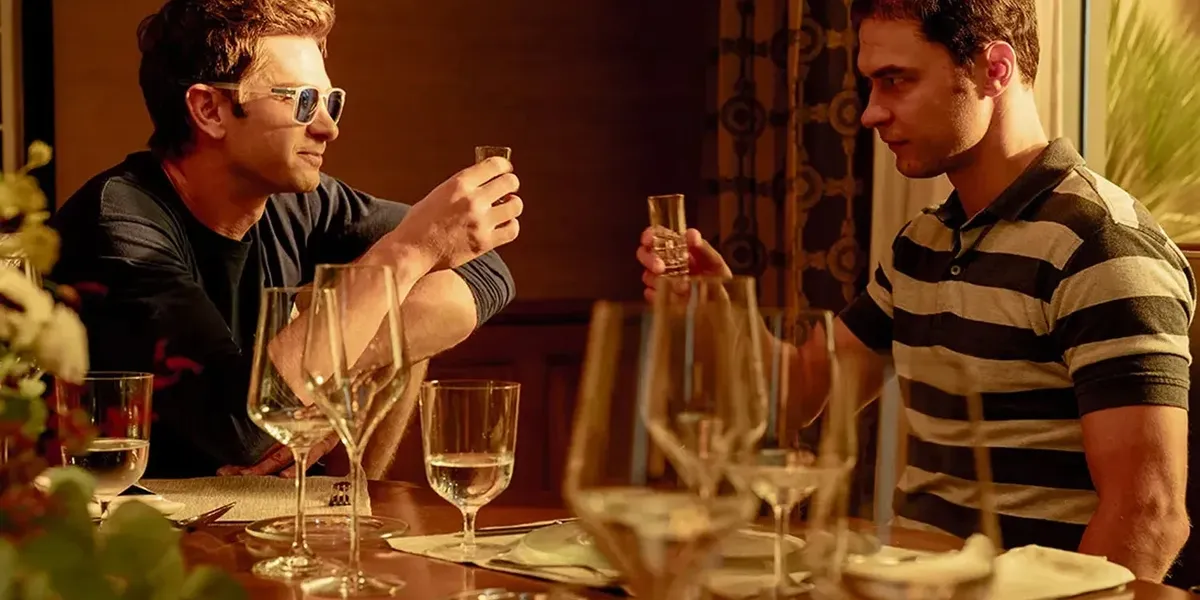
Filmmaker Luca Guadagnino flashes back to the rise of OpenAI. You'll laugh, you'll cry, you'll scream
Andrew Garfield and Yura Borisov in 'Artificial.'
Historians chronicling the decline and fall of humanity will have any number of key moments to point to as the beginning of the end. But a handful might single out an innocuous meeting at the University of Toronto in 2003. A 17-year-old named Ilya Sutskever — born in Russia, raised in Israel, and a citizen of Canada — walked into the office of Professor Geoffrey Hinton. The latter ran the college’s Computer Science department; the former is intrigued by the teacher’s lectures on neural networks. Impressed by the student’s hyper-intelligence and keen grasp of the concept, Hinton offers to take the teen prodigy to lunch. They will eventually create a network known as AlexNet, which will bring the pair and their partner Alex Krizhevsky to Silicon Valley. Remember the road paved with good intentions, and where it leads to?
Or they may be tempted to focus on a different fuse-lighting that occurs after Sutskever appears at a conference in Montreal, when he begins being courted by a charismatic Stanford dropout. This young entrepreneur thinks that the computer scientist with the thick accent and the inability to lie is on to something with this whole “artificial general intelligence†thing. They, too, will co-found their own tech-industry pet project, with help from an eccentric South African billionaire. The venture-capitalist hotshot is Sam Altman. The name of their business is OpenAI.
Both of these scenes show up in Artificial, director Luca Guadagnino and screenwriter Simon Rich’s recounting of the A.I. boom’s rise that plays like a series of downward-spiral snapshots. The first establishes the angel on Sutskever’s shoulder, a mentor who prioritizes safety in development and the sanctity of the human race. The second allows the devil to slide into his DMs, utilizing a seduce-and-destroy approach that will eventually lead to Sutskever becoming OpenAI’s resident Chicken Little and the tech industry’s conscientious objector. As played by Anora‘s breakout star Yura Borisov, the great Shakespearean actor Mark Rylance, and Andrew Garfield in full pinky-to-lip bad-guy mode, Sutskever, Hinton and Altman are the trinity at the center of this dark ensemble comedy doubling as a tragedy: the “Godfather of A.I.,†the son, and the holy terror. Two of them kept issuing warnings about slowing down and avoiding existential free-falls. One of them grabbed the wheel, hit the gas, and gleefully pointed the car right toward the cliff.
This is cinéma du doomscrolling at its funniest and its doomiest, generating the sort of laughs usually experienced by those strolling toward the gallows. A who’s who of pioneering engineers, Silicon Valley oligarchs, and simpering corporate toadies show up, some to be roasted and others to be pitied. The Studio‘s Ike Barinholtz plays Elon Musk as part Bond villain and part grimacing buffoon; Monica Barbaro lends OpenAI’s Chief Technology Officer Mira Murati an air of quiet dignity, then lets that quality deflate out of her like a sputtering balloon; Cooper Hoffman‘s take on board chair Greg Brockman is best described as one long, perpetual “Come at me, tech bro!†Zosia Mamet, Jason Schwartzman, Chris O’Dowd, Billie Lourd, and Will Price flit in and out of the picture, some trying to act of the voices of reason and others cheering on the madness. Who needs long-term caution when there are so many short-term riches to be had?
Artificial keys into that industry mantra and expands upon it, identifying this notion that tech billionaires feel they deserve to run the world — because if they aren’t so brilliant and deserving, how did they become tech billionaires? — as something that’s now toxified everything around us. Guadagnino only occasionally lays the style on thick, as when he borrows a slo-mo–celebration bit of business from The Wolf of Wall Street; mostly he lets the script and the performances do the talking, especially once the movie concentrates on the moral showdown between Sutskever and Altman. (To say that the filmmaker has got his groove back after the flaming trainwreck that was last year’s After the Hunt would be putting it mildly.)
You can imagine the consensus forming around Borisov not only being the heart and soul of the movie but also being the smartest get in terms of casting; as with Anora and the equally wonderful Compartment No. 6 (2021), he makes great use of a knack for channeling both woundedness and a sensitive-yet-steely demeanor. His Sutskever is socially awkward and childlike in his literalness, yet morally sound — the last dying beacon of hope for moderation among the “Feel the AGI!†fervor. “Prometheus was not afraid of fire,†one character informs him. “He didn’t have to make a deal with Microsoft to bring it to humanity,†the computer scientist replies.
I have no idea what folks will think of Garfield’s take on Sam Altman, a now-ubiquitous figure who often seems like a caricature of Silicon Valley nerd-regent in real life. It’s a wild swerve of a performance, opting for a simmering Machiavellian schemer hiding beneath a consistently polite surface at some moments and someone you might call “Campy Sam†at others. Daring, for sure. Damning? It’s an interpretation that falls just south of over-the-top, but still risks being a stereotype. Your mileage may vary. It’s certainly easy to see how the charm offensive and slippery approach to the truth that characterized Altman during his company’s ascent could be so beguiling for collaborators and investors, and how that same quality could be weaponized following a corporate coup organized by Sutskever. That entire ordeal is presented in detail, a backstage drama in miniature that treats the boardroom soap opera as the last chance to keep Pandora’s box shut. Altman is eventually reinstated as CEO. Sutskever is cast out of paradise. Cut to: that dire hand-wringing from less than a month ago.
Speaking of backstage drama: You might also recall that Artificial was supposed to come out under the patronage of a different Borgia, and that its original backers decided to help Guadagnino & co. find a new home for it. Thankfully, Neon stepped in, the movie was able to secure a last-minute world premiere at the New York Film Festival, and you can already hear the drums beating for a well-deserved awards-season campaign. There was a sense of urgency that informed all of the gratitude when the director and cast sat for a post-screening Q&A, with Guadagnino reminding folks that artificial intelligence is a human story as much as it is a tech parable, and Rich stating that he intended his script to be a warning. He prays someone will pay attention. The fear that we’re past the point of no return animates the movie’s sense of currency and its refusal to smooth over anxieties. It feels all too attuned to our desperation not to share in it. You’ll laugh, you’ll cry, you’ll scream into the void.
There was one extra gift that Guadagnino and the festival had in store, however, for those lucky enough to be at the very first public screening. A piano and a vibraphone were conspicuously loitering onstage. After bringing out the cast and crew members before the film, the director called out for composer Damon Albarn. The former Blur singer and current frontman for Gorillaz then stayed behind after everyone left and sat down behind the piano. A fellow musician stepped behind the vibraphone, and a children’s choir marched out. They then performed “The Saddest Song,†a gorgeous number about uncharted seas and “submarines in the dark†that Alabarn wrote for the film.
We were about to watch a movie about folks dedicated to making artificially intelligent, totally autonomous machines a reality, and what that might mean for our not-so-distant future. But this amuse-bouche of live music, performed by real people in real time and a real space, before a real crowd, felt reassuring in the most profound way. This is what human beings can do. We can engineer our own extinction. But we can also create magic out of thin air.
Something old, something new, several things that are borrowed, and more than a few films that will leave you feeling blue — the Toronto International Film Festival is about to roar back to life, and its 51st edition sticks to the tried-and-true formula that’s established it as a fall-fest favorite. There are a handful of revivals, including a preview of a new, restored cut of Ken Russell’s The Devils. You’ll get the best of several other festivals, including many of the big titles from Cannes (All of a Sudden, Fjord, Club Kid, The Beloved) and recent premieres from Venice (Ink, Wild Horse Nine, Possible Love) and Telluride (Tender Loving Care, The Debut). And, of course, you’ll get your very first looks at a number of titles that use TIFF as a launch pad for potential awards-season glory.
And naturally, this year’s festival has more than its fair share of “midnight madness†genre flicks, arthouse movies from virtually every corner of the globe, and a strong selection of documentaries; the music-doc lineup is particularly varied this time out, with portraits of everybody from an up-and-coming Americana trio to drumming god Neil Peart. We’ve selected 22 films that have our interest piqued, from a Japanese spin on Bad Lieutenant to an intimate year in the life of Lisa from Blackpink. Here’s what we’re itching to see at TIFF 2026.
When the inevitable alien invasion of Earth happens — you know it will, people! — our cosmic overlords will not look like little, bug-eyed green men. They will apparently resemble a 1950s biker gang modeled after Marlon Brando from The Wild One. That’s the basic premise of David and Nathan Zellner’s satirical sci-fi opus about of group of extraterrestrials who take a very, shall we say, retro attempt to blend in. The longer these would-be conquerors of humanity spend among us noble, flawed Homo sapiens, however, the more they began to realize that maybe the planet has more perks than they’d imagined. Dig this cast, daddy-o: Cate Blanchett, Lea Seydoux, Chris Pine, Dave Batista, Riley Keough, Lily-Rose Depp, Kelvin Harrison Jr., and Bae Doona.
Lalisa Manobal — better known as the K-pop superstar Lisa — had already conquered the world as one fourth of the record-breaking group Blackpink. She then decided to take a year or so to focus on a solo career, a screen career, and several creative endeavors outside of the band. Luckily for us, filmmaker Sue Kim trailed along with her cameras, and the result is an intimate look at a global pop star exploring new frontiers and pushing past her comfort zones. Out of all the premiere screenings at TIFF this year, we’re betting this will be both the hottest ticket and the one with the most screaming fans outside the venue.
To procreate or not to procreate? That is the question in Lauren Miller Rogen’s dramedy about a couple, played by Anna Kendrick and the director’s IRL spouse Seth Rogen, who have been on the fence about whether they would eventually have kids or not. Then a recently separated friend (Kate Berlant) with a kid crashes at their house while looking for a new residence, and the two get an impromptu What Parenting Is Actually Like 101 course, which may end up affecting their final decision. There’s a deep bench here regarding the supporting actors as well: Dan Stevens, Sharon Stone, Issa Rae, Ed Helms, Ashley Park, David Strathairn, Severance‘s Zach Cherry.
Who better to do a Tokyo-based variation on Abel Ferrara’s chronicle of a self-destructive, spiritually adrift cop than Takashi Miike? The auteur behind Ichi the Killer, Audition, the incredible Dead or Alive trilogy, and dozens of other mind-altering movies digs in to the story of a hard-living Japanese cop (Shun Oguri) who must team up with an FBI agent (Lily James) to find a politician’s missing daughter. There’s also a killer on the loose, and he has the lieutenant, who we are assuming is bad (see title), in his sights. We predict this will be off any number of different hooks.
Toronto’s opening night film — and director Siân Heder’s follow-up to her Oscar-winning hit CODA — gives the spotlight to activist Judy Heumann (Ruth Madelay), who fought the powers that be over accessibility for the millions of Americans with disabilities. Combating not just public misconceptions but political indifference and hostility, notably from Secretary of Health, Education and Welfare Joseph Califano (Mark Ruffalo), Heumann recognized that this wasn’t just a personal issue but a human-rights issue, and her protests helped bring about meaningful change. Rob Delaney, Dylan O’Brien, Ray Fischer and Fargo‘s Russell Harvard costar.
Zella Day was a country-music prodigy who had a record out by age 14, a hit single by 19, and a desire to reinvent herself as an artist by the time she was 25. Jesse Woods was a troubadour out of Austin, Texas, who specialized in twangy melancholy. The two fell in love and started the band Chaparelle with their collaborator Beau Bedford, with the idea that they’d finally found the perfect vehicle for the sound they’d all been chasing. The couple also let filmmaker Andrew Morgan document both the early stages of their relationship and their new musical project, and the result is the sort of warts-and-all portrait of backstage drama and onstage epiphanies that remind you that it is possible to combine the personal and the professional. You may end up with a few great songs and a helluva lot of scars in the wake of it all.
To say that Werner Herzog’s new narrative movie sounds a little weird is like saying that Pacific Ocean sounds like it could be a tad bit moist — there’s an inherent element of assumption there, what with past behavior being the best predictor for future behavior. But even by the standards of a filmmaker that previously hypnotized his actors during a project, Herzog’s new one sounds like he’s tapping into a uniquely strange frequency. Real-life siblings Rooney and Kate Mara play sisters who aren’t just close — they do everything together and actually speak in unison. Both women have so much in common that they each fall in love with the same man (Orlando Bloom), and long story short, end up facing a media frenzy and a legal case. Seriously, even if we weren’t die-hard Herzog fans, we’d still be so stucking foked to see this.
Let’s say you’re an architect. You’re approached by a billionaire, who wants you to design a bunker for him and his fellow One-percenters. Money is no object. Your wife thinks the entire concept of the ultra-rich designing a luxury apocalypse domicile is disgusting. You agree, but also know that your fee will be appropriately astronomical and could set your family up for life. What do you do? This is the ethical dilemma at the heart of the new film by writer-director Florian Bunker (The Father), with the added bonus that the married couple at the center of it is played by actual spouses and dual Oscar-winners Javier Bardem and Penélope Cruz. Also down in the hole with them: Paul Dano, Stephen Graham, Mark Gatliss, and The White Lotus‘s Patrick Schwarzenegger.
R&B vocalist, recording legend, the voice behind “He’s a Rebel,†one of Rolling Stone‘s 150 best singers of all time, the “Queen of Christmas†— the great Darlene Love is all this and more. She fronted her own band, the Crystals, and provided back-up vocals for everything from “You’ve Lost That Loving Feeling†to “Be My Baby,†and her annual performance of “Christmas (Baby Please Come Home)†on both of David Letterman’s late-night shows was as much a holiday tradition as fruitcake and mistletoes. Documentarian Barry Avrich (Oscar Petersen: Black + White) lets Love take center stage and shines the spotlight on a truly singular six-decade career behind the mic.
Gael GarcÃa Bernal directed, cowrote and stars in this twisty tale of a Cuban lifeguard who saves the life of a Mexican businessman (Jorge Salinas) on vacation in Havana. The tourist rewards his savior with a job and a luxurious life back in the Yucatán. Remember that phrase about no good deed ever going unpunished? That applies double here.
Russel (Luke Evans) and Hermine (Naomi Watts) are just your perfectly, totally average married couple living in New York City circa 1964. Enter a New York Times reporter (Tye Sheridan), who begins investigating a tip he’s received that Russel is actually a Nazi officer who evaded capture in Europe, and is living under an assumed identity. Things get even more complicated when the journalist and Hermine starts to develop a bond that goes slightly beyond the boundaries of journalist and his subject’s spouse. This sounds heavy. Also in the cast: Michael Imperioli, Lena Olin, and Debi Mazar.
It’s a tale of two underdogs — one who’s a Philly pugilist trying to prove he can go the distance, and another who’s a struggling actor who is determined to play the lead part in a script he just wrote. The fictional boxer is named Rocky Balboa. The real-life performer is Sylvester Stallone. You all know what happens next. Peter Farrelly (Green Book) directs this origin story about the Italian Stallion fighting to get the first Rocky movie made, starring Anthony Ippolito as the young and hungry Sly, determined to do whatever it takes to make his dream a reality. [Cue theme music]
The Irish animation studio Cartoon Saloon may not have the name recognition of a Pixar or a Ghibli, but it’s been putting out some of the best feature-length ‘toons over the past few decades (see: The Secret of Kells, The Breadwinner, Wolfwalkers). And their latest looks to extend their winning streak: an adaptation of Jessica Love’s 2018 bestseller Julián Is a Mermaid, about a seven-year-old who spends a summer with his Dominican grandmother in Brooklyn. Julián is less than thrilled with his new environment, until a group of local girls tell him about the annual Mermaid Parade at Coney Island — at which point the boy becomes obsessed with creating the perfect, bedazzled tail. Expect both a faithful translation of the book’s water-color-like artwork and a moving take on both NYC’s African-Carribean community and the concept of inter-generational tolerance.
A last-minute addition to the festival, Zack Snyder’s revenge thriller follows a DEA agent (Stuart Martin) and a war photographer (Fra Fee) as they shoot — that verb is doing double duty here — their way through South America in search of the men who murdered the former’s family. Judging from the trailer, this looks like it’s got the usual combination of dark, visual panache and pulpy, operatic overtones. That it seemed to have materialized out of nowhere and landed a slot on TIFF’s lineup at the 11th hour has us intrigued. The fact that this film has kept Snyder too bust to make more Rebel Moon movies makes us extremely grateful.
Triple-threat hyphenate Tim Blake Nelson (Leaves of Grass) sets two characters — a creative-writing instructor (Amanda Seyfried) working at a prison and a convict (Scoot McNairy) in her class — on a collision course. Both of them have been dealt a bum hand by life, in terms of bad relationships, bad decisions, and an intimate familiarity with violence. Both feel a connection via the written word. And when a plan is hatched to help him break out, both find themselves having to deal with the consequences of their actions. This one seems intense. Sinners‘ Wunmi Mosaku, The Good Place‘s William Jackson Harper, Missi Pyle, and Elisabeth Marvel costar.
Andrew Haigh (Weekend, 45 Years, All of Us Strangers) returns with a take on Colm TóibÃn’s short story about a young man (Fred Hechinger) who’s dealing with both a sexual awakening and the sudden, inexplicable disappearance of his mother (CaitrÃona Balfe) during a snowstorm. The longer they look for her, the more strained the relationship between him and his father (Ebon Moss-Bachrach) becomes. We have high hopes for this one. Costarring Martin Freeman, Kit Connor, and Reservation Dogs‘ D’Pharaoh Woon-A-Tai.
Acclaimed Japanese filmmaker Hirokazu Kore-eda has already graced this year’s festival circuit with his A.I. parable Sheep in a Box; he now returns with another humanistic drama, an adaptation of Tatsuki Fujimoto’s manga about two young women ((Natsuki Deguchi and Aju Makita) who go from childhood rivals to aspiring artists. Everything about this sounds like classic Kore-eda, as well as the perfect combination of auteur and source material, and we’re dying to see his take on this tender, intimate story of bonding over creative expression.
Once upon a time, Misty Green was an Emmy-winning star with a hell of a singing voice. Then her career took a bit of a nosedive. A reconnection with a filmmaker who once fired her and a potential role in an upcoming project may mean that a second chance at stardom, however, is right around the corner, if she can just keep the old habits from coming back. Writer, director, and actor Chris Rock’s new character-driven drama from A24 will get its world premiere at TIFF, and he’s packed the cast with some big names: Adam Driver, Daniel Kaluuya, Anna Kendrick, Topher Grace. But this really looks like a major showcase for Rosalind Eleazar, a British actor who’s been a big presence on TV in the UK (Harlots, Slow Horses) and, if this trailer is any indication, will likely generate a lot of awards-season chatter with her performance as the title character.
The influence of the late, great Neil Peart on his fellow drummers, not to mention his band mates and longtime brothers-in-arms Geddy Lee and Alex Lifeson, is incalculable. Scot McFadyen and Sam Dunn, a.k.a. the documentarians behind the invaluable Rush: Beyond the Lighted Stage, take that idea one step further. They not only cover the late, great musician’s life, career, and his personal tragedies and triumphs, as well as gathering testimonies from his friends and loved ones. The duo also enlist a who’s-who of first-ballot percussionists — Stewart Copeland, Danny Carey, Chad Smith and Gavin Harrison — to play Peart’s parts in classic Rush songs alongside Lee and Lifeson. It’s a well-earned tribute to a much-missed legend, as well as a chance to see the Professor’s “drum brothers†test their chops via some of the most intricate rock songs ever composed.
Why hasn’t there been an extensive rock doc on the Pretenders until now? Thank god that director Joss Crowley — who’s been involved in documentaries on Iggy Pop, Shania Twain, Freddie Mercury, the Simple Minds and more — stepped up to tell the story of how a young woman from Ohio went to London right before the dawn of punk and ended up founding one of the most venerable rock outfits ever. Comprised of three new conversations with singer/icon/notoriously tough, takes-zero-shit interview Chrissie Hynde, remembrances from the band’s longtime tour manager, and a treasure trove’s worth of archival footage, this should hopefully be the definitive portrait of a band rocked by both tragedy and a phoenix-like rise from the ashes. Precious it ain’t.
Suzie Miller’s play about a barrister who finds herself on the other side of the bench in a sexual-assault case was designed as a one-woman show and won Jodie Comer a slew of awards. Now Cynthia Erivo leaves her mark on the role in this expanded take on the harrowing drama, as her lawyer’s unshakable faith in the legal system is tested once she’s forced to navigate it as a survivor. Susanna White (Woman Walks Ahead) directs; Daniel Ings, Simon Russell Beale, and Harry Treadaway costar.
Michelle Yeoh is set to have a busy TIFF this year — she’s headlining both the feel-good nursing-home comedy It’s My Life and this crime thriller, in which she plays a veteran surgeon who’s recently hung up her scrubs. Her retirement is cut short when a group of mobsters led by Martin Freeman kidnap her and force her at gunpoint to operate on one of their wounded brethren. This ex-medical expert is not going to go out without a fight, however. The fest’s program notes describe this as a “scalp-’em-up,†which, y’know, yes. A new action subgenre? We’re 100-percent here for it.
Jonathan Daviss, Madelyn Cline, Drew Starkey, Chase Stokes, Madison Bailey, and Carlacia Grant (from left) in ‘Outer Banks’
Welcome to the Outer Banks — paradise on Earth.
For six years and five seasons, Netflix’s treasure-hunting drama Outer Banks has put its North Carolina teens through absolute hell just to keep viewers hooked. A familiar tale of class warfare, the series has followed the Pogues, Kildare Island’s poor residents — including truant John B. Rutledge (Chase Stokes) and his friends Kiara (Madison Bailey), Pope (Jonathan Daviss), and JJ (Rudy Pankow) — in an ongoing ideological battle against their rich counterparts, the Kooks. And this heated rivalry was immediately complicated by John B.’s sudden discovery of sunken treasure.
Outer Banks has always straddled the line between grounded stories of young love and the ridiculous idea of teenage treasure hunters who keep discovering (and losing) riches that have been missing for centuries. (If you’ve lost every single treasure you’ve ever found, can you still be called successful treasure hunters?) And while their exploits have taken them all over the globe, with its fifth and final season, the show calls back to its sepia-toned beginnings, with unbelievable feats of action and mystery that lead back to the island where it all began.
Season Five of Outer Banks picks up in Morocco, where John B., Cleo (Carlacia Grant), Pope, Rafe, and Kiara are stranded, mourning the loss of both JJ and the ancient Blue Crown he died for. With filicidal Chandler Groff (J. Anthony Crane) and mercenary leader Finch (Jason Alan Carvell) out of reach, they’ve got no choice but to return to the Outer Banks with no cash and awaiting criminal charges. But the island’s class divide isn’t just about dirt bike races for glory and bonfire fistfights anymore. Due to a combination of circling real estate developers and personal financial crises, the Pogues’ homes are under threat. When the group discovers that their past treasure-hunting adventures could help them find the lost Blue Crown, each member must decide what’s more important — getting revenge on the people who killed JJ or saving their homes.
Outer Banks’ success has always rested on an emotional depth that distracts from nonsense plot points and over-the-top escapades. Viewers don’t have to think so hard about how a group of American teenagers who look like a diversity advertisement for a state university slip past customs in every country, because they’re too busy reeling from the abrupt loss of John B’s father. Puzzled by the logistics of Kook princess Sarah (Madelyn Cline) surviving a gunshot wound to the gut, or Jamaican outlaw Cleo crashing a plane and swimming away without a scratch, or used-to-be villain Rafe (Drew Starkey) murdering a cop and getting off scot-free? Don’t be — instead weep at the devastating death of their best friend JJ and a long, difficult burial in a faraway land.
There are plenty of inconceivable exploits in the final season of Outer Banks, in ranging degrees of ridiculousness. The gang manages to cross at least three borders without any forms of identification. Kiara suddenly has the ability to jump out of cable cars and scale buildings with a CIA-operative level of precision. No one blinks at a pregnant Sarah constantly running through hails of gunfire — sans prenatal vitamins or a home. When Kiara is tied to an anchor and dropped into the middle of the ocean, her friends locate her using a phone flashlight and in plenty of time to keep her from drowning. Pope makes a homemade bomb by eyeballing every measurement, and no one dies. And of course, there’s the plot to retrieve the crown, with its historic potential to raise the dead. But the show uses each of these high-stakes and improbable stunts to reaffirm that the thing that matters most to the Pogues isn’t treasure — it’s their island.
It’s easy to imagine a world where Outer Banks never had its breakout moment. The show premiered on April 15, 2020, during the Covid-19 pandemic, a time where the only thing Americans felt like they had control over was what they pressed play on. If it had landed in the wasteland of streaming series at a different time, it’s unclear whether it would have had the same impact. But Outer Banks was an instant phenomenon and still represents a unique, uncomplicated capsule of the pandemic. It was a time when it felt reasonable to look at a melodramatic fight between Sarah and her Kook boyfriend and think to make an interpretative dance to its beats. “No You DON’T ToPPer!†people used to mouth as they swung their arms around their heads and bounced them at the waistline. “You love the idea of me. You love being seen by me. You don’t love me!†People colored their TikToks and Instagram posts OBX sepia and recreated the Rutledge cry “Bring it on home, John B.!†on makeshift bells. It was a phenomenon and maintained its essence of hot-teen Indiana Jones by continually upping the physical stakes — answering any wayward plotline or raised eyebrow with the beach-set equivalent of “Somehow, Palpatine returned.â€
But while later seasons fully jumped the shark — or the sandbar, if you prefer — with arms dealers, ancient artifacts, and the teenage equivalent of international war crimes, Season Five points the Pogues back toward home. The show that built its name on impossible adventures gives its main characters an equally impossible ending by showing them reclaiming their first lost treasure: $400 million in ancient gold bars. This final victory builds them a life where Pope and Cleo can be together, Kiara has let go of JJ’s death, Rafe feels remorse for his crimes but gets to live out the rest of his life a free man, and John B. and Sarah are a safe and happy family. The series finale, “The Storm and What Came After,†sees the entire island wealthy, together, and celebrating John B. and Sarah’s wedding on newly restored Rutledge land — Kooks and Pogues hand in hand. Sometimes, the true treasure really is the friends we make along the way. Well, that and enough gold to make an island live forever.
In a backyard in the valleys of Los Angeles, a crowd of 60 people gathered to celebrate the life of Katherine Early McCollough.
Family members, longtime friends, colleagues, and even an ex-boyfriend, who hosted the gathering at his home, spent the evening drying tears and laughing as they exchanged memories of McCollough: how she always forgot her keys, her silly made-up language that they somehow all became fluent in, and the sheer magic that was Kat.
But the obvious hung in the air, unsaid. In recent months, McCollough had become gaunt. The sparkle in her eyes had dulled and her smile seemed forced. A mind that got into Cornell Law School, earning a near-perfect LSAT score on her first try, had grown increasingly spacey. Friends struggled to come to terms with how, in the span of around two years, McCollough developed a once-unimaginable addiction to ketamine. And how the figure who had loomed largest over the 36-year-old’s life was now absent: her most recent ex-boyfriend, Reggie Watts.
Had it not been for McCollough’s all-consuming relationship with the popular musician and comedian, nine of her close friends and sister tell Rolling Stone, they believe she would still be alive. They say that McCollough, to quote one friend, wouldn’t have “fried†her brain without Watts’ encouragement to take a heavy array of psychedelics and designer drugs in the name of intimacy and enlightenment. And that following McCollough’s drug-induced manic episode, which prompted Watts to break up with her, a despondent McCollough wouldn’t have secretly traveled to Peru in March to take her life.
“I would call it recklessness,†Lacey Valentini, one of McCollough’s closest friends, says, labeling Watts’ enthusiastic promotion of ketamine and other substances as dangerous. “I’m so afraid that him being so cavalier is going to lead to irreparable harm or death of another person.â€
Watts declined Rolling Stone’s multiple requests for an interview and did not specifically address a majority of questions posed to him in a detailed request for comment. However, his attorney, Andrew Brettler, said it was “dangerously false†and a “preconceived narrative†to suggest that Watts was responsible for McCollough’s suicide. Brettler also pushed back on Watts’ alleged prodding of McCollough to take drugs with him, claiming she was already an “experienced†drug user. “Ms. McCollough did not need any so-called ‘encouragement’ from him,†Brettler said in a statement.
Still, five women who previously dated Watts tell Rolling Stone they recognize elements of their own experience in how McCollough’s friends describe her relationship with the comedian: Watts’ needs prioritized above their own, the chipping away at their self-confidence, and the prompting to take substances with him.
“I do feel like he’s not who he projects himself to be publicly, and I’ve seen many people hurt or mishandled in their relationship with him,†says Anna, who dated Watts in 2018 and was part of his larger friend group. (She requested a pseudonym to protect her privacy.) “I have wanted to see much more accountability than has been taken for all of this.â€
In the five months since McCollough’s death, her younger sister Colleen still struggles to wrap her mind around how drastically McCollough changed during her time with Watts. “I feel very strongly that the sister that I knew before this relationship would still be here if she had never met him,†she says.
McCOLLOUGH WAS IMPOSSIBLE to miss. She was striking: model height, with large, bouncy curls that she dyed various shades of pink and blond before settling on a captivating auburn hue. Friends describe her as a lovable weirdo who made connections wherever she went, and maintained them with check-in texts and hourslong phone calls. She read voraciously, had a depth of knowledge in music, art, and film, and gravitated toward creative pursuits. She had a razor-sharp sense of humor that lent itself to her obsession with the comedy world. After years of feeling like she stuck out in her conservative hometown of Columbia, South Carolina, she moved to Los Angeles in 2016.
McCollough quickly created a network of friends through attending music gigs and comedy shows, her various jobs, and community and activist groups. She had a brief stint back on the East Coast, when she quit her digital-marketing position at a record label to earn a law degree at Cornell in Ithaca, New York. But she missed the sunshine and finished her final term at UCLA. It was around this time, in May 2023, that McCollough bumped into Watts at a party. She commemorated the moment with a text to a friend: “That photo was taken by Reggie Watts, whose ketamine I was high on. What a life.â€
It’s a running joke in Los Angeles that if you’re out late enough, Watts will somehow materialize. The youthful 54-year-old is easy to spot, his six-foot build accentuated by his long, frizzed-out hair that he wears loose or piled high in a bun that tilts to the side. Watts comes across as a lovable, goofy “teddy bear,†says one ex-girlfriend who requested anonymity for privacy, and someone who’s always down for a good time. “He’s one of the most social people that I’ve ever met, and loves staying out super late,†says Dakota, a close friend of McCollough who was also friendly with Watts, and requested a pseudonym for professional reasons. “When the bars close down, he frequently hosts gatherings at his house until five, six in the morning.â€
An eccentric character with a cult following, Watts considers himself a citizen of the world. Born overseas to a French mother and an American Air Force father, he spent his early years bouncing around military bases in Germany, Italy, and Spain before his parents settled down in Great Falls, Montana. He grew up around music, taking piano lessons at age five, clanging out his own arrangements rather than following sheet music. Performing came naturally, but Watts wrote in his 2023 memoir that he was “terrible at memorizing†and preferred winging it onstage.
These early tendencies would become his calling card: improvisational, surrealist stand-up acts blending music, looping pedals, and comedy. Watts bounced around small bands before he began composing for comedy specials and the Key & Peele show, and starred in the TV talk show Comedy Bang! Bang! His big Hollywood break came in 2015 as bandleader for James Corden’s late-night show, which ran until 2023. The New York Times crowned him “the most influential absurdist in comedy today†in 2016.
McCollough told friends that she doubted Watts remembered their initial encounter, but when she bumped into him again at another party in late 2023, they began a whirlwind romance. McCollough thought Watts was a comedic genius, and the pair shared a similar sense of humor, establishing their own bits and improvisational riffs. “She was taken with him immediately,†Colleen says. “She just got hooked.â€
The two began spending all their time together, with Watts flying McCollough first class to join him on tour stops. “It was very intense,†McCollough’s friend John, who asked that his full name be withheld for reasons related to his job, says. “I would describe it as Reggie love-bombing her. Like, ‘Let me fly you out to here. Let me treat you to this.’ It was extremely generous.†Watts’ munificence was “world-changing†for McCollough, Valentini explains. “It truly felt like a cheesy romance movie,†she says. “He was really playing the part. He met her every desire, and she really wanted that.â€
But there was early friction. Watts was clear from the beginning that he had been polyamorous for decades and McCollough should expect him to continue dating other women. At an early age, Watts wrote in his memoir, he became obsessed with the idea of romance, fashioning himself into the “sensitive James Bond, the funny James Bond, the James Bond who respected women.†Watts found he had a habit of continually falling for women who “were strong, who were bold, who had a little unexpected magic about them,†and decided it’d be best to keep all of his relationships open.
McCollough was not game. After a few months of dating, McCollough effectively gave Watts an ultimatum, and he agreed to be monogamous. She then moved into Watts’ Silver Lake home. “After that point, they hard-launched,†John says. Watts went first, posting a snapshot of McCollough kissing his head to Instagram. “Girlfriend,†he wrote in late May 2024. McCollough followed days later: “This is Reggie, I love him.â€
A few months into their relationship, Colleen felt she was watching her sister “completely do everything to bend herself to fit his life,†although McCollough was supposed to be studying for the bar exam. McCollough reassured friends that she had things under control, cramming in sessions from dimly-lit airplane cabins, backstage at a show, or cocooned at social gatherings.
McCollough felt a need to be near Watts constantly, fearing he would lose interest if she didn’t accompany him to events. As a result, she became his shadow. Friend Maria Vanderslice recalls gently broaching the topic with McCollough, asking why she didn’t seem to be taking her law career seriously. Watts interjected, proclaiming his love for McCollough and telling Vanderslice that he and McCollough were “spiritually married and he would take care of her forever, [and that] she didn’t need to worry about money ever again.â€
Those promises influenced McCollough to quit her legal externship in mid-2024 and become Watts’ unpaid assistant, according to Colleen and three friends. With Watts purportedly stressed about finances in the wake of the Late Late Show’s end, McCollough volunteered to subsidize his costs by running his social media accounts and handling odd jobs like manning his merch stand.
Everyone in McCollough’s circle could see she was consumed by the relationship. McCollough’s ex-boyfriend and friend Travis Flournoy says that, prior to dating Watts, she “actively resisted†discussions around spirituality and higher consciousness. “She was the least ‘woo-woo’ person,†he says. But Watts, who is well-versed in gnosticism — an esoteric, religious philosophy that places emphasis on the spiritual realm and obtaining wisdom about oneself — seemed to have had a profound impact on McCollough’s worldview. She began parroting some of Watts’ beliefs about discovering one’s higher self to her friends and mused on those concepts in her own writings.
“She felt very strongly that Reggie was her soulmate and her teacher,†McCollough’s longtime friend Andrew Margalit says. “She just wanted to fucking be with him.â€
WATTS’ FONDNESS FOR DRUGS is no secret, with one mutual friend of his and McCollough’s describing him as an “all day, every day ketamine and marijuana user.†He’s a psychedelic evangelist and self-declared “psychonaut,†believing psychedelics and spirituality go hand in hand. He wears shirts with “ketaverse†printed on the front and has appeared on a number of podcasts, academic panels, and a Netflix documentary discussing his experiences with substances.
His first exposure to drugs came as a teenager, smoking marijuana in high school. Watts said he didn’t see cannabis as a thoughtless form of escapism, but an intentional opportunity for self-discovery and enlightenment. His psychedelic exploration came while living in Seattle and performing with his early musical group, Maktub, in the 1990s. But Watts said he scaled back when he entered his thirties. “Now I rarely, rarely do them,†he told Forbes in November 2020. “Maybe I’ll do mushrooms or something like that once every three or four years.â€
By 2021, Watts took a liking to ketamine. Is anyone in a “K-hole?†Watts semi-jokingly asked the crowd at the Outside Lands festival in San Francisco that October. He then launched into a spiel about how he was a “client†of ketamine and he’d “encourage all of you guys to get a prescription.†According to Watts, ketamine felt like “dancing on the edge of a black hole†and experiencing “pure consciousness observing itself.â€
Developed in the 1960s as a surgical anesthesia, ketamine has grown in popularity as a recreational drug, particularly within the rave and nightlife community, for its dissociative and psychedelic effects. (It’s also used as a sedative for large animals, earning its reputation as a so-called horse tranquilizer.) In the 2010s, a wave of studies found ketamine had significant success in treating neurological conditions, particularly depression, PTSD, and anxiety, and a surge of ketamine-therapy clinics began popping up across the U.S. Still, it’s far from a magic bullet, with extreme usage linked to neurotoxicity, cognition impairment, and bladder issues. “Without a doubt, I’ve seen the benefits, and I’m sure it’s saved many patients’ lives over time,†says Dr. Gerard Sanacora, a professor of psychiatry at the Yale School of Medicine who studies ketamine and has used it as a form of treatment for patients. “[But] these are truly dangerous drugs … and it’s really scary that this belief [is] out there that these drugs are free of danger, because they’re not.â€
As public sentiment has begun to more openly embrace the idea of ketamine as a therapeutic aid, Watts has become a prominent advocate. On Joe Rogan’s podcast in 2024, Watts proudly recalled leading a friend through a ketamine experience after they had been nervous to try the drug, saying he considered himself “really good at dosing.†In January, Watts was a guest on actor Rainn Wilson’s podcast, where Watts played devil’s advocate to Wilson’s skeptic about casual use of mind-altering substances. Wilson brought up actor Matthew Perry, who had been undergoing ketamine-infusion therapy and became addicted, leading him to acquire the drug outside the safety of a clinic. Perry suffered an accidental fatal overdose in October 2023 and drowned in his hot tub. (Five people, including Perry’s personal assistant who helped supply the actor with the doses, were convicted on charges related to his death.)
Watts had a swift rebuttal. “Whatever he died of, it wasn’t ketamine,†he countered. “It was like it was a drug interaction, and he also had heart problems. There was a confluence.†(The Los Angeles Medical Examiner’s Office listed Perry’s cause of death as the “acute effects†of ketamine, noting Perry had a history of heart disease.)
Viewers mainly agreed with Watts and scoffed at Wilson for being what they perceived as overly judgmental. “It’s clear that [Watts] has a fair amount of experience with psychedelics and he approaches them responsibly and thoughtfully,†said one commenter.
But Watts is not as responsible as he likes to publicly portray when it comes to recreational substance use, four sources tell Rolling Stone, claiming that he often offers a range of drugs to anyone in his proximity. “It’s pretty commonly known in our shared circles [that Watts gives] people way too much, and is not super responsible with how he introduces people to it or how he administers it,†says Anna. “It’s incredibly reckless.â€
Vanderslice remembers a dinner party Watts was hosting in 2024. “Immediately after everyone took their last bite of food,†Vanderslice says, Watts pulled out a basket of drugs, declaring it was “time for dessert.†Inside, there were “probably like 20 substances that I’ve never even heard of.â€
Watts deemed anyone who didn’t partake alongside him “boring†and tended to be dismissive of them, three of McCollough’s friends say. One friend says Watts once grilled her at a party when she declined his offer of ketamine. “It was like I was in a D.A.R.E. ad,†they say, referring to the 1980s anti-drug campaign.
High Maintenance creator and actor Ben Sinclair described in a Substack post an alarming incident that demonstrated Watts’ glib attitude. At a dance party co-hosted by Watts in March, where Sinclair continually took ketamine throughout the night, a man wearing a lab coat — “Dr. Leo†was scribbled on his jacket in Sharpie — offered Watts and Sinclair what they were told were quaaludes. Watts went first, remarking that something tasted off, according to Sinclair. Still, Watts offered a generous heap of the powder to Sinclair, who readily accepted. Sinclair said they’d later learn they took a massive dose of O-PCE, branded as a significantly more potent version of ketamine, with longer-lasting effects and a deeper dissociative free fall.
“I mourned my beautiful brain,†Sinclair wrote, describing how he spent the next few hours monitored by friends. When the drug finally wore off, Sinclair said he prodded Watts to reflect with him, realizing they could have easily suffered a fatal overdose. “[Watts] started speaking of gnosticism in a British accent, an improvisational bit he often does while performing. I said, ‘Be real with me.’ He said, ‘I am being real.’†They parted ways. “I later heard that Reggie danced at a rave that night,†Sinclair wrote.
WITHIN McCOLLOUGH’S COMMUNITY of creatives, no one was a prude about drug use. But while all of McCollough’s friends admit she was “open-minded†and had experimented with substances in the past, including marijuana, cocaine, ketamine, and Ecstasy, they are adamant that she was not a heavy drug user.
“I never knew her to really be a drug user,†says one friend. “At parties, I rarely saw her do drugs, and if I did, she’d do one or two ‘bumptinis’†— McCollough’s made-up word for the “tiniest bump of something.â€
McCollough drastically increased her consumption after she started dating Watts, her friends say. Drugs became a central part of their relationship, and early on, Watts brought McCollough to a practitioner for an intramuscular ketamine injection. McCollough told friends — as did Watts — that Watts felt he could best connect with someone when they were on the same plane.
“He would call it medicine,†friend Dakota explains. “He really has this idea that most people moving through the world are holding themselves back, and taking this ‘medicine’ all day, every day, opens you up and detaches you from your ego.… He thought Katherine had all these flaws, and he acted as if he were her teacher … [and through this] medicine, ‘I’m going to guide you through these experiences and towards being a more conscious, open-hearted person.’â€
Nora, who met McCollough at Cornell and requested a pseudonym due to her career, later compiled a list of all the substances McCollough said she had tried with Watts: LSD, MDMA, DMT, MMCs, cocaine, Ritalin, Adderall, ketamine, Xanax, Valium, and Modafinil — a wakefulness drug. “He really took her to the edge,†she says.
McCollough’s friends were also concerned about the amount of drugs she was taking. According to two of McCollough’s friends, Watts believed there should be no difference in their dosage amounts, despite their significant differences in tolerance levels and physical size. It was something McCollough repeatedly voiced concern about, confiding in at least two friends that she believed Watts was giving her more than she could handle. At one party, a friend says she overheard McCollough questioning Watts as to whether the amount of ketamine he was administering to her was the “right†amount. Watts was “constantly pushing her boundaries and trying to convince her that she should be taking the same dose as him or at least a heavier dose than what she thought she wanted,†Dakota says. “It was tension between them. The vibe was that he didn’t respect that.â€
In a statement, Watts’ attorney didn’t respond to questions about the prominent use of drugs in his and McCollough’s relationship. However, he claimed that McCollough was already an “experienced drug user,†had taken ketamine prior to when she met Watts, and didn’t need to “encourage†her to partake in substance use with him.
For McCollough’s friends, the escalation was jarring. “Katherine, to us, was not a rock star or a psychonaut, and clearly was having moments where she wasn’t keeping up and faltering,†her close friend Travis Broyles says. McCollough would later detail her extensive drug use in her Notes app, claiming that she “nearly died†from the chemical inhalant amyl nitrate, had K-holed “extremely hard many times,†and once “severely overdosed on MDMA.†(It does not appear that she sought medical help in these instances.)
McCollough told her friend John about the amyl nitrate incident, which occurred within the first six months of dating Watts, saying Watts had given her too much and she “could feel her heart stopping.†Watts had “to give her a bump of cocaine to push adrenaline back into her system,†John says McCollough told him. When John voiced concern, she brushed him off, countering that she was safe and Watts had taken care of her.
Brylan May, who met McCollough through her legal internship at the Writers Guild of America West in 2024, recalls once seeing McCollough snort a line of cocaine at a party and immediately throw up. Watts “didn’t move a muscle,†May says. Instead, Watts reasoned McCollough must not have had enough water that day.
“There were a lot of physical moments of vulnerability that Katherine found herself in that she normalized,†John adds. “But she wouldn’t have found herself in this situation without the reality that was imposed on her by Reggie. He was the instigator.â€
ROLLING STONE SPOKE to five women who dated Watts over the past two decades, whose combined experiences showcase a pattern of what some described as reckless and selfish behavior from Watts that manifested in different ways across his relationships and led to potentially precarious moments.
Substances have always been a major part of Watts’ lifestyle, according to three women who recall how he’d encouraged them to use drugs with him. A decade ago, Watts seemed mostly interested in weed and THC-based drinks. Claire, who dated Watts in 2016 and requested a pseudonym to protect her privacy, says he was “constantly ushering†her to join him to get high. “The context was usually around ‘You’re always telling me all the things that make you feel bad, and I’m giving you something that would make you feel good, and you’re not letting me help you feel good.’â€
During the pandemic, according to two of the women, Watts began experimenting with ketamine and kratom, a substance from a tropical tree’s leaves that acts as a natural stimulant in smaller doses and a powerful sedative in higher amounts. Olivia, who also requested a pseudonym to protect her privacy, began casually seeing Watts in 2020 and says Watts was “very insistent on me trying†ketamine and was “espousing expansive, almost theological-like reasons†to get her to agree. Watts would offer her a “hero dose†— a particularly large quantity — which she adamantly refused. “But maybe if someone was more open,†she says, “maybe they got the hero dose without stopping.â€
Anna says she never felt judged or pressured by Watts to partake in substance use with him, but she did feel “encouraged,†though she noted Watts would respect her decision if she declined. Anna recalls several instances where Watts had given her too much of a substance, describing him as “reckless†when it came to dosing. “I had so many experiences with him where he would be like, ‘This is totally going to be fine for you — it feels amazing.’ Next thing you know, I’m dry-heaving on my hands and knees in a stranger’s bathroom.†Watts was largely inattentive in those vulnerable moments, Anna says. “It doesn’t feel like there was a lot of care,†she adds. “It was mostly like, ‘Damn, that sucks.’â€
Claire and another woman, whom Rolling Stone is identifying as Lindsey, described an intense cycle of love-bombing and whittling away at their self-confidence. They claimed Watts played manipulative mind games with them and blew past their boundaries in pursuit of his own self-satisfaction. (Watts’ attorney said any suggestion that he was an “abusive†boyfriend was false.)
Lindsey, who dated Watts for roughly three years and requested anonymity, described their relationship as emotionally and psychologically abusive. Watts seemed to want to “make me feel small,†Lindsey says. “It was a constant cycle [of] love-bombing and veiled insults that would tear down your self-esteem.†Their relationship ended in 2020 when, feeling “depleted,†Lindsey says she broke up with Watts. “He started hyperventilating. I could see in his eyes that he knew he lost his grip on me, and it was so weird how it manifested in him.… He kind of teared up a little bit, [and] that’s all I remember because I was really surprised [by] that reaction from him.â€
After the breakup, Lindsey says, she tried to remain friendly with Watts. She became suspicious, however, he was monitoring her when, on at least two occasions, he appeared where she was, including a restaurant during a date and at a hotel in Los Angeles. In trying to win her back, Watts allegedly disclosed that he had an explicit video of her that she had not consented to. “I was shocked,†Lindsey says, still confused about why Watts would think she “would be flattered†by his confession. Lindsey says she made Watts delete the recording, recognizing it as a “disgusting breach of trust.†She eventually blocked Watts and discarded all of the electronic devices he had gifted her. “I wish I went to the police, but the time has passed,†she says. (Watts offered no response when asked if he had filmed a sexual encounter with Lindsey without her permission.)
To Claire, Watts seemed charming and lighthearted, but she would now describe their four-month relationship as “abusive.†A red flag came when Watts pressured Claire to stop taking doctor-prescribed medication, blaming the prescriptions on her struggle to orgasm during sex. “I remember we had one fight where he was at the James Corden show backstage yelling at me about how this was an ego thing for men,†she says. “That it was a deal-breaker for him.†It was a point of contention for weeks, and after putting up with Watts rolling his eyes and walking out of the room whenever she took the medication, “I finally ended up going off of it for him, which I really regret.â€
After Claire went off her medication, she says, one incident would make her cut Watts out of her life completely. During what would be their first official date, Watts disclosed that he had an STD and vowed to be hypervigilant about wearing condoms. He made a “big show with where he keeps his condoms,†Claire says. (Watts was not always upfront about his alleged STD diagnosis, according to three women, who say he only disclosed his condition after they had been intimate. McCollough told Colleen that something similar occurred with her, with Watts allegedly saying, “‘I didn’t think you needed to know because I wasn’t having an outbreak,’†Colleen says McCollough told her.)
In Claire’s eyes, there was an implicit agreement they would always use protection. One night, as Claire was leaving Watts’ home, she claims he came up behind her and initiated sex. Afterward, Claire knew something was wrong. “Before I even looked at him, he said, ‘I’m so sorry, I just had to know how you felt.’ My heart went into my throat, because I knew what that meant. I turned around, and he did not have a condom on.â€
For years, Claire says she had been hesitant to publicly share her experience with Watts. “You always have in the back of your mind … maybe everyone thinks I’m crazy because he’s so nice [and] charming,†she says. “Why would anyone believe me? What if I’m the only person that has this story?â€
Watts did not respond to Rolling Stone’s detailed list of questions regarding his behavior in past relationships, but through an attorney, said any suggestion that he “recklessly†exposed his ex-girlfriends to a sexually transmitted disease was false. His lawyer provided the name of a former girlfriend whom Watts dated in the early 2010s as a character witness, but she declined to be interviewed by phone. In a text message, however, she said, “Reggie is a wonderful, generous, thoughtful person, and a dear friend.â€
A third woman, who briefly dated Watts in New York in the 2010s and asked for her name to be withheld for professional reasons, said an abrupt end to their fling left her feeling upended. She felt so unmoored that she took acting classes in a bid to feel more interesting. “I didn’t even date him for that long, but it affected me so seriously that I ended up having a complete personality crisis,†she says. “I still remember having these really intense feelings of, like, ‘Why do I feel completely broken?’ It left me questioning my own self-worth.â€
“I THINK I HAVE an addiction problem,†Colleen says McCollough confided to her in the spring of 2025. McCollough was hesitant, though, to broach the topic with Watts. “‘I’ve got to prepare for it, because he’s not going to like it,’†Colleen says McCollough told her.
Weeks later, McCollough would backtrack, becoming defensive when Colleen asked her how the conversation with Watts went. McCollough said she no longer believed she had a drug problem. “I didn’t realize the danger she was really in, in this relationship,†Colleen adds. “It’s so painfully obvious now.â€
A year into McCollough’s relationship with Watts, her friends and sister tried to show McCollough that the relationship was toxic and that they believed there were aspects that were abusive. “I noticed an extreme personality change and the chiseling away and erosion of her independence,†says Brylan May. “I tried the tough-love approach. I could not break the spell he had over her.â€
There was Watts’ skirting around paying McCollough any salary for her work for him. He reportedly blamed his accountant for not being able to afford it, although McCollough helped produce one of Watts’ comedy specials and self-funded the production of his improv talk show Watch Watts Happen Live, which yielded only one episode. Then there was the isolation. Watts attempted to steer McCollough away from certain friends he didn’t like, according to Dakota and Vanderslice, the latter of whom recalls two instances when Watts physically led McCollough away to be alone with him in a separate room for lengths of time, including at Vanderslice’s wedding.
“There were a lot of things that he did to control her … that are classic abusive behaviors in terms of trying to isolate her,†Dakota says, such as making McCollough “malleable†enough to be open to leaving her job and some friendships behind. “He cultivated a dynamic and a relationship where she felt like she could only truly access intimacy, closeness, and empathy from him if they were both using [drugs] together.â€
While McCollough would do seemingly anything for Watts, it wasn’t always reciprocal. When McCollough returned home to South Carolina to be by her father’s side before his death in early 2025, Watts declined to accompany her and was emotionally absent, telling McCollough that he “didn’t do grief.†According to Colleen, McCollough told Watts she needed his support. “He responded, ‘I’ve thought a lot about that, and I just need to protect myself right now,’†Colleen says. (Watts would later fly into town for the funeral.)
An event in summer 2025 would trigger a devastating domino effect, according to McCollough’s circle. To help in her grieving process from her father’s death, Watts and McCollough took bufo, an intense, ego-death psychedelic derived from the venom of the Sonoran Desert toad.
McCollough wrote in her Notes app that her interest in partaking in the bufo trip was “spurred by grief,†and afterward, McCollough told loved ones that she experienced an enlightening “rebirth.†But she later began telling friends that she was suffering negative side effects commonly associated with the drug, including nightmares, deep anxiety, and panic, for weeks afterward. (Watts’ attorney said it was McCollough who initiated and organized a supplier to administer the bufo, and said Watts never witnessed McCollough suffering from any side effects.)
By August, Watts and McCollough had set off for what was supposed to be a weekslong international trip, but things would take a dark turn. Whether it was continual heavy drug use, an extreme lack of sleep, or continued flare-ups from the bufo experience, McCollough entered a state of mania, resulting in unusual social media posts, strange texts to her friends, and a 24-page Google document titled “A working (complete) unified theory of infinite eternal love.â€
Dakota saw danger immediately when she visited the couple in Berlin. McCollough was still taking various drugs and partying alongside Watts throughout the episode, and Dakota says she “started communicating to Reggie [that] this is really serious, we need to get her to a hospital, she needs medication.â€
Watts “was supportive in some ways,†Dakota adds. “But essentially it was like, ‘[Dakota], figure this out.’ He kept partying [and] going out with his friends.†(Through his attorney, Watts said it was “simply untrue†that he didn’t assist in getting McCollough medical help in Berlin, saying he “took her to see a different doctor, who examined her and prescribed antipsychotic medication to treat her symptoms.†Watts claimed that he also stopped McCollough from buying drugs from an online delivery service while in the country.)
According to three people, Watts seemed desperate to rid himself of McCollough amid this incident, trying to put her on the 14-hour flight from Berlin to Los Angeles alone, until he was convinced otherwise by McCollough’s friends. When they landed at LAX, McCollough was barely able to walk and soiled herself. Friends came to take her straight to the hospital, where she was placed on a psychiatric hold. A dismissive Watts did not accompany the group to the hospital. Instead, he jumped into an awaiting black car and went home to catch up on sleep. (Watts did not deny that he went home during McCollough’s initial hospitalization, but said, through his attorney, that he later visited her.) Watts was adamant, friend Travis Broyles says, that McCollough was not “having an episode and it wasn’t the ketamine.†Instead, Watts allegedly insisted that “she was going through some awakening, a deeply spiritual moment.â€
Still in the throes of a manic episode, doctors kept McCollough overnight, ultimately diagnosing her with bipolar disorder. Dr. Po Wang, a psychiatrist and director of the Stanford Bipolar Disorders Clinic, who did not treat McCollough, says for people with a vulnerability to the condition, “drugs can definitely unmask the vulnerability.†“Maybe the bipolar wouldn’t come out†on its own, he says, “and it would have been brought out now with these stimulating medications.â€
After McCollough was released, she eventually returned to Watts’ home, but friends say she didn’t seem like she had fully stabilized. Lacey Valentini, one of McCollough’s best friends, and others say they begged Watts to get rid of all the drugs in the house. He came up with a compromise. Watts “put all the drugs Ms. McCollough could access into a biometric safe that Ms. McCollough could not open and he hid all the alcohol that was at the residence,†his attorney said. But McCollough was still able to find drugs. Colleen claims that she saw McCollough doing drugs at Watts’ home over FaceTime during this period, and friends claim that Watts never safely locked all of the drugs away.
Still in a vulnerable mental state and still taking various drugs, McCollough pinballed between being grateful that her friends had come to her rescue and furious over the hold, which led to a diagnosis that she disagreed with. In her Notes app, dated Aug. 18, 2025, she jotted her “reasons I’m not worried about†the manic episode, saying there was no known family history of bipolar disorder and this was the first manic episode she had ever experienced.
In that same Notes document, McCollough addressed the flip side of her situation. “Reasons I AM worried about the manic episode,†she began, listing the times she believed she overdosed and highlighting scientific findings about the long-term effects of heavy ketamine usage. McCollough was direct about her views on Watts’ role in her substance intake. “My partner is not totally supportive of me resting or abstaining from drugs. I feel his judgment / resistance when I abstain or barely partake or want to do more research before partaking, because it confronts him with a message about his own drug use that he is not ready to receive yet.†She notes, “There are absolutely things I can do to improve this by asserting stronger boundaries, but I also need his support and understanding.†(Watts offered no response when asked about McCollough’s claim that he didn’t allow her to take breaks from drug use.)
There was an immediate shift from Watts after the manic episode, McCollough’s friends say. McCollough had already felt anxiety about the security of her relationship after the death of her father disrupted their honeymoon phase, according to Colleen. McCollough was also struggling to keep up with Watts’ around-the-clock partying, which began taking a toll on her physically and mentally. “She felt Reggie could not get rid of her fast enough,†Vanderslice says. “He wanted absolutely nothing to do with her the moment she stopped being fun and easygoing and a good vibe to be around.â€
By October 2025, Watts ended their relationship. In explaining himself, Watts said he couldn’t handle being McCollough’s “caretaker,†Dakota says.
McCOLLOUGH WAS DESTABILIZED after the breakup. She had no home and no steady job, and had pushed some of her closest friends away following the manic episode. McCollough had wanted to explore a career in the entertainment space, but without Watts’ support, she believed that possibility was out of reach. She continued to live with Watts and accompanied him to a set of shows in Australia, partly because she had invested a significant amount of her minimal savings into creating his new tour merchandise, according to Colleen. In December, McCollough moved out and rented a room from a mutual friend, with Watts covering a few months of her rent until she was back on her feet, spotting her around $1,400 a month. Watts’ attorney says he also paid for McCollough’s psychiatric treatment and medication.
Through the first months of this year, friends say, McCollough’s self-confidence was shattered, and she lost an alarming amount of weight. Watts preferred to speak to her by email, was frosty, and ignored her when he bumped into her at events, according to four friends. (“The last time Mr. Watts saw Ms. McCollough prior to her trip to Lima, he told her he loved her and would always be supportive of her,†Watts’ attorney says.) Just a few months earlier, Watts had assured McCollough that she was his lifelong partner and told their friends they were as good as married and that he’d always provide for her. Now, she’d been dumped for what she saw as an involuntary medical response to a drug. And she was addicted to ketamine, taking near-daily hits and voicing anxiety about the long-term ramifications, her friends say.
“She was pretty afraid that perhaps she had fucked up her brain in some way,†McCollough’s friend Andrew Margalit says. “I’ll use her own words here: She regretted how cavalier she was about drug use, but she really trusted the people that she was around.â€
No one registered the depth of McCollough’s despair. She began visiting an anonymous suicide forum that some states have tried to restrict access to, and in early March — shortly after her 36th birthday — she began posting about different means and methods to end her life. She wrote of her fears of a painful death, and was hopeful about finding someone from the forum to be present with her in her final moments.
McCollough wrote a detailed post about why she felt this was the path she needed to take. “I was in a relationship with a brilliant, handsome, sensitive, romantic, hilarious, insanely talented and fun partner that ended because I had a drug-induced manic episode 7 months ago (never happened to me before that in my life). It made him lose his romantic and sexual attraction to me to see me in that state.… Our relationship was dream-level romantic and we loved being together all the time …
“Doing really fun and stimulating things literally every day with other incredible artists, sleeping in as late as I wanted, sharing a beautiful home, not worrying about money for the first time in my life, being spoiled with whatever I wanted,†she added. “His life is absolutely incredible and sharing it with him was bliss, magic, unbelievable, beyond my wildest dreams…. I can’t get over the stupid way I lost him and I can’t stand my life now compared to what it was with him. I also can’t stand knowing I will never be remotely close to that happy again, and knowing I will never love someone nearly as much as him because he is so total package and singular. I think about him and memories of our life together literally every waking moment and sometimes in my dreams too.â€
It was among some of McCollough’s final posts on the forum. Then, without telling anyone apart from a German man she is believed to have met through the site, McCollough boarded a flight for Lima, Peru, where it’s reportedly easier to obtain a euthanasia agent. She briefly texted with Watts about the afterlife and posted “Happy Reggie Week†on Instagram to celebrate Watts’ upcoming March 23 birthday. Then McCollough went dark.
It had been only a few days after McCollough left when Colleen realized she hadn’t heard from her sister. Colleen touched base with McCollough’s friends, who also had no idea where she was. Having exhausted her options, Colleen reached out to Watts for assistance. He also hadn’t heard from McCollough and didn’t know where she could be, but he remembered that he had access to her iCloud account and was able to trace her phone’s location to a police station in Lima. “I’m thinking, ‘Oh, god, she’s there doing some drug ceremony or something,’†Colleen says. Through a translator, Peruvian authorities relayed that McCollough had been found dead alongside the German man, both dying by suicide.
“To everyone this hurts, I am so sorry that my peace came at your expense,†McCollough wrote in a goodbye letter that was found with her body. “I hope you can forgive me. I hope it helps you to know that the way I went was as peaceful as possible. I know it’s so selfish and loser-y to quit because drugs gave me a mental illness that took away the people and the life I loved. But I’m tired and it hurts and I can’t trust that things get better. I believe that consciousness is an ocean containing everything and that the individual corporeal self is only a wave temporarily rising from it. I’ve returned to the ocean but I believe we bring our memories back with us. Because of this I will never forget or stop loving you.â€
FROM A CORNER of a dark room on April 1, Watts began recording himself singing a rendition of “Blueberry Hill.†“Hello and welcome. Tonight is a very special night,†Watts began in a faux British accent. He briefly paused, ducking out of the frame as the sound of several loud sniffs and the clinking of hollow metal came from off-camera. When Watts reappeared, he introduced a new piece of music, something he had just written, an abrasive, cacophonous track. “Katherine vibes,†Watts captioned the video. “My heart is full for you.â€
In a separate post, Watts shared the news of McCollough’s death and elaborated on his moment of reflection to his nearly half a million followers. “Katherine, I will miss you so much. I know you were in pain, and while I tried everything I could to reflect the light you brought into this world, the sorrow became too much to overcome. You changed my life. You opened my vulnerability and taught me how to receive love from someone so close. We built a life together, went on adventures, and we took chances together. You had a natural radiance that people could feel from so far away — a light that you carried despite the difficult path you walked from childhood. I’ve been processing so much. I know you can hear me, and I honor the intentionality of your journey. You planned your time in Lima beautifully — the coast, the art, the meals shared with a friend. While it is so difficult for those of us left behind, I understand your need for peace.â€
Information about McCollough’s last days was news to Colleen and McCollough’s friends. “We’re like, ‘What is he talking about?’ We didn’t know those details,†Colleen says. It took another week for Watts to disclose to Colleen that he had rummaged through McCollough’s iCloud. Flicking through her photos, scrolling through her texts, and going into her Notes app, Watts was able to retrace McCollough’s final moments and locate a draft of her goodbye letter, which he recited back to Colleen.
Colleen was beside herself. “It was torturous to not know anything, and he knew the entire week,†she says. “He didn’t consider her family at all. He didn’t care. He was like, ‘I have this information, and I’ll decide who needs it and who doesn’t.’†(Watts did not offer an explanation to Rolling Stone as to why he did not immediately share details with McCollough’s family. Through his attorney, Watts said he wasn’t aware McCollough was suicidal. “Not once during that period did Katherine or any of her family members or friends, ever suggest to Reggie that she was suicidal.†)
McCollough’s friends were similarly incensed. Watts spoke as if he and McCollough were still together. He had used flowery language to describe what they saw as a tragic and horrifying decision. “I don’t think there’s any universe in which you can compliment somebody’s suicide,†Margalit says. “She went to Lima explicitly and exclusively to kill herself. There’s nothing beautiful about that.â€
Watts was also hindering the healing process by being insensitive and self-centered, friends say. Watts initially refused to delete a video where he shared more details about McCollough’s death, erasing Colleen’s comments where she begged him to take down the post. (He eventually removed the video.) Watts asked Colleen if she’d feel comfortable obtaining crime scene photos of McCollough in the bed where her body was found. And when it came to the laborious process of bringing McCollough’s body home — for which McCollough’s friends created a GoFundMe to offset the $20,000 cost — Watts never donated to the fund or shared the link with his followers. (Watts did not dispute this.)
“There’s just no room, even now,†Colleen says. “There’s no room for her in her own death.â€
McCollough’s loved ones view her experience with Watts as a devastating cautionary tale: a perfect storm of conditions that led to a tragic outcome. They firmly believe that if McCollough had never met Watts, had he not pushed his extreme views on psychedelics and substances on her and had McCollough not adopted those views, that she’d still be alive today. “I’m confident if she never met Reggie, she’d be alive,†Nora says.
The women who previously dated Watts say although they were left with emotional scars, they feel lucky they were able to get away. “My heart just broke for her,†Lindsey says. “I remember feeling [how] he would make me feel — completely devastated and worthless. I just wish so badly that she could have known that it gets better, and that this guy has no say in your worth.â€
McCollough’s sister and friends hope that her story can prevent another woman or fan who heeds Watts’ blanket endorsement of ketamine and other substances from falling into addiction. Watts is “a manipulative and negligent person riding the wave of this popular drug,†Broyles says. “It was [McCollough’s] undoing.â€
Many also voiced concern for Watts himself, labeling his “daily†substance use as equally alarming. It would be a silver lining to Margalit if Watts has a wake-up call about how he propagates psychedelics. “Hopefully, as a result of these things, he can reconsider his approach and advocacy,†Margalit says.
“People can get so wrapped up in the celebrity part — his persona — and they trust him,†Colleen says. “I never thought it would happen to Katherine. I would hate for this to happen to anyone else.â€
Even when he was alive, there was a sense of lore that surrounded Anthony Bourdain. He had the allure of someone with a true mythology, which he offered up throughout his writing and TV shows. His memoir Kitchen Confidential: Adventures in the Culinary Underbelly, released in 2000, established much of what we know about him — his early years in New York City kitchens, his drug use, his willingness to reveal tricks of the trade. The book famously recounted the three summers he spent in Provincetown, Massachusetts, as a young man, one of his earliest legends.
That time period is the focal point of Tony, a biopic of sorts from Canadian writer-director Matt Johnson. Dominic Sessa stars as Tony, a surly 19-year-old not yet formed into the Bourdain we have since anointed into culinary sainthood. Although the film is sanctioned by the Bourdain estate, the coming-of-age tale isn’t overly concerned with facts. Instead, Johnson conjures the same feelings one might have looking back at their own early years.
“I wanted this to feel like a memory that Bourdain would have that was totalizing his youth,†Johnson says, speaking over Zoom from Los Angeles. “For me, that’s going to summer camp [for] over a decade. I don’t think about it in a linear, year-to-year way — it’s a flash and a color and a feeling and maybe four or five conversations. This movie is trying to do that with a person who unfortunately can’t speak for himself [anymore]. He can’t tell you how close we got to it, but that’s the aim: to put you in the same place that Bourdain was in as he matured from this thoughtless young lout, as he put it, into somebody who started taking himself seriously.â€
Johnson, 40, didn’t seek Tony out. After making the 2023 film BlackBerry, about the formation and rise of the mobile phone company, he was offered a “deluge of other biopic, true-story films,†he says. One of them was Tony, a Black List script (an annual list of the most popular unproduced screenplays in Hollywood) written by Todd Bartels and Lou Howe that centered on Bourdain’s formative time as a dishwasher and budding cook in Provincetown. Although the script was interesting, the filmmaker passed. He didn’t want to do another based-on-real-life story.
At the time, Johnson was developing a comedy about the TSA with Josh Safdie and Ronald Bronstein for A24. About two years ago, during one of his trips to New York City to meet with them, Johnson and his producer, Matt Miller, took a casual meeting with Sessa, who Johnson had seen in the Oscar-nominated, prep-school-set story The Holdovers. Johnson wanted to find something to make together, and happened to mention the Tony script. Neither Johnson nor Sessa were fans of Bourdain, but as they talked, they became interested in approaching his formative years as a way of exploring their own youthful experiences and emotions.
“It was one of those conversations where you have a whole new perspective on something,†Johnson says. “Immediately, I knew I wanted to make the Anthony Bourdain movie and frame it around our shared ideas about role models and family and being young and what it’s like to try to find yourself at the exact age that he was.â€
Sessa, 23, found the approach liberating. “I could never imagine myself doing, like, an impression of [Bourdain], trying to pretend to be a chef in a kitchen,†he says, speaking separately via Zoom from New York City. He adds that the haziness surrounding the chef’s life during that time period was a gift. This version of a Bourdain biopic was “an opportunity to not only further understand this person [but] to showcase a part of his life that even the biggest fans of him didn’t have access to.â€
“The reality is there’s 100 minutes of ‘footage’ of Bourdain at this time, and it’s this movie,†Sessa says. “But for Matt and I, we were also able to work a lot of our own history into it. We had so much artistic freedom. Every aspect of it felt like an opportunity to highlight something about this person who’s really well respected, but also learn about ourselves.â€
A24 CAME ON BOARD shortly after Sessa and Johnson spoke, and offered to put the TSA project on hold until after Johnson made Tony. Johnson and Sessa signed on with the understanding that they were making an unofficial Bourdain biopic. That was Johnson’s experience making BlackBerry, which had no participation from the tech company’s co-founders Douglas Fregin and Mike Lazaridis.
“I’m very comfortable in that,†Johnson says. “I like making movies about things I don’t know anything about, and about people who I can keep at arm’s length because I’m trying to be curious about them and observe them but not necessarily do what they would want me to do.â€
Bourdain, despite being a cultural touchstone for so many, fit the bill. Johnson had only seen one episode of Bourdain’s series Parts Unknown, which ran for five years and 12 seasons on CNN; it was an early Season One installment where the chef traveled to Quebec. Otherwise, Johnson wasn’t really aware of Bourdain’s work or life. To learn more, he moved to Provincetown from Canada in March of 2025 and spent several months in the remote Cape Cod town, interviewing people who’d known the chef and imagining Bourdain’s life there.
“Other than that episode, which is so crazy to say, I had never seen anything,†Johnson says. “I’d never read Kitchen Confidential. I understood the power of this man’s legacy. I knew about him, but I had no emotional take on him. He wasn’t important to me in the way that I’ve realized he’s so extremely important to other people, especially my generation. But in the same way as with BlackBerry, that proved to be very useful to me.â€
Ultimately, Johnson allowed himself to discover Bourdain through his writing (“Matt read every single thing Bourdain wrote, and everything written about him,†Sessa says). But he encouraged Sessa, also a Bourdain novice, to go into the project more or less cold.
“I had probably watched some YouTube videos of Anthony Bourdain, and I had seen maybe a couple episodes of his show, but I was not a Bourdain fan,†Sessa says. “Nor was I really aware of the level of fandom around him.†Still, he says, “Matt wanted me to not really concern myself with watching No Reservations and trying to be that guy. It was [about] understanding the loose facts of the story and then, for me, digging deep into my own life and trying to find the parallels.â€
Sessa had extensions added to his hair to reflect Bourdain’s tousled look from that era, but he didn’t want to mimic the chef’s voice or mannerisms. He channeled his own experiences, including his time working in a bakery in Ocean City, New Jersey. His memory of being given a cigarette for the first time one summer on the beach made its way into the script.
“Obviously, Bourdain smoking cigarettes was a part of his character,†Sessa says. “We decided it would be cool if [his friend] Sal was the person who gives him a cigarette for the first time in the movie, rather than him smoking already. Little things like that were relatable to me and I was able to put these characters in a place in my mind that felt real.â€
‘TONY’ INCORPORATES WHAT IS known about Bourdain’s time in Provincetown into a dramatized version of events. The film opens with a famous quote from Kitchen Confidential, which inspired much of what Johnson wrote: “I was — to be frank — a spoiled, miserable, narcissistic, self-destructive and thoughtless young lout, badly in need of a good ass-kicking.â€
After the fictional Tony fails to get a summer writing fellowship, he follows a crush to Cape Cod, where he flounders until a local restaurant owner — an amalgam character here known only as Chef (Antonio Banderas) — takes him under his wing. Bourdain described his experiences in the town in Kitchen Confidential, but that time period only spans a few pages in the book. Bourdain later went back for a Season Four episode of Parts Unknown, in which he reflected on working at the seafood restaurant The Flagship as a dishwasher.
Johnson says he wasn’t constrained by factual accuracy, but did feel “a deep obligation to get at the truth.†“I’m looking at Bourdain’s life not as these two chapters in Kitchen Confidential, where he’s in Provincetown, but the whole arc of his youth from age 10 to about age 25,†he says. “I’m trying to compress as much of that as I can into the narrative space that I have to work with, which is when he’s 19 years old and it’s 1975. I am taking liberties with what happened, definitely.â€
There are moments Bourdain fans will recognize from his work: Tony witnesses one of his co-workers having sex with a new bride in the back of the restaurant. There’s the memorable fishing frenzy where, as Bourdain writes, “the striped bass jumped right out of the water and onto Cape Cod’s dinner tables.†The fledgling chef grabs a hot pan with his bare hand.
But other moments are fictionalized, as are some of the characters. Emilia Jones plays Nancy, an interpretation of Bourdain’s high school sweetheart and eventual first wife Nancy Putkoski. Chef, a mentor to the wayward Tony, represents several people who were formative for Bourdain, including the cook and writer Howard Mitcham.
Leo Woodall’s brash cook Sal blends Dmitri from Kitchen Confidential with the unnamed sous chef Bourdain later describes working with in New York. For Johnson, Sal combines the “culture of these pirate, libertine, drink all day, have sex all night, indestructible as a Clorox bottle†guys into one character.
“I’m trying to take these archetypes that Bourdain writes about and synthesize them into one personality, so that we as an audience feel as though we know a person,†Johnson says. “The fact is, Bourdain probably had 50 friends that summer, and each of them had an effect on him. But I can’t explore that in a way that is anything but cumbersome.â€
Johnson also wanted to take the persona of Anthony Bourdain and “represent those facets in the other characters.†Both Sal and Chef, he says, represent to some degree who Bourdain was.
“What is Anthony Bourdain if not the pirate captain of a kitchen?†Johnson says. “His great duality is he’s an iconoclast who says ‘Fuck it, we’re gonna break the rules and we’re gonna live hard and go crazy.’ But he’s also the boss who says, ‘You’re gonna be here on time because I’m gonna be here on time and I’m gonna work like a dog until we get this done.’ That’s such an unbelievable contradiction: I’m going to be the hardest working, most diligent, almost militaristically strict person, and I’m also going to drink everybody under the table.â€
Putkoski was a particular mystery. Bourdain didn’t speak about her often, either in the press or in his writing, and she has largely stayed out of the public eye. Johnson describes her as his “big question mark†going into the film in terms of backstory and research. He ultimately decided not to reach out to her to ensure he wasn’t in a position of disappointing anyone.
“Because this was Bourdain’s film, I needed to restrict myself to the things I could read him writing,†Johnson says. “He seemed to keep her a bit secret. He talks a lot about them watching television together and what they were like as kids. But she’s a very private person. I’m trying to grant her dignity by not wrapping her up in this.â€
AS THE FILM PREPARED to shoot, it was suggested that Johnson meet with Kim Witherspoon, the literary agent who represented Bourdain and the literary executor of his estate. Witherspoon endorsed Tony and signed on as an executive producer. “We chose to support Tony because it is not a standard biopic and doesn’t attempt to summarize a life,†Witherspoon said in a statement in May, calling the film “an interpretation, as that part of Tony’s life will always remain somewhat unknown.â€
Bourdain’s close friend Eric Ripert, who found Bourdain’s body after his suicide in France in 2018, also came on board for a cameo role. He appears in the closing scene as one of the chefs interviewing Tony for admission to the Culinary Institute of America. It was one of the first scenes filmed, and both Johnson and Sessa recall Ripert asking to rehearse because he wanted to get the moment right.
“He didn’t really talk much about Bourdain or tell any stories,†Sessa says. “He came on set and he wanted to nail his lines. That alone meant a lot. There didn’t have to be an exchange of, ‘Oh, yeah, I’m really happy with what you guys are doing.’ The fact that he treated the set with respect, treated us with respect, and read the script and liked it, and then wanted to be in the movie, gave us a lot of confidence.â€
The film’s Tony contains glimpses of the real Bourdain’s eventual swagger and charisma, but focuses more on his vulnerability. He’s moody and unsure. He lies to Nancy about why he’s in Cape Cod. He’s a version of Bourdain we haven’t really seen before, which can be unsettling at times. And, perhaps, it’s a version of the man who never actually existed. But Sessa says Tony reflects on how Bourdain may have become the “mythic figure†he remains today.
“He didn’t come out of the womb with tattoos and ear piercings and smoking cigarettes and traveling the world,†Sessa says. “All of those elements are from these people that he met and who affected him, especially working in the kitchen.â€
“He is not the charming, effortless rogue that people are coming to this movie expecting to see,†Johnson adds. “And, of course, this is by design. I’m trying to create a relationship in the audience who knows Bourdain between what their expectation is from what they’ve seen of him and the young man in this film. I want them to ask: Why is he not the adult that I know?â€
Johnson is aware that Bourdain’s legacy inevitably looms over the film. Since his death on June 8, 2018, which occurred during a trip he and Ripert were filming for Parts Unknown, the myth of Bourdain has grown even larger. His shows, including Parts Unknown, No Reservations, and The Layover, remain exceptionally popular, as does Kitchen Confidential. Morgan Neville’s 2021 documentary, Roadrunner: A Film About Anthony Bourdain, centered on the decline of his mental health and his final, tumultuous relationship with actress Asia Argento. The chef hanged himself shortly after reading a tabloid story about her being seen with another man. Many viewers will watch Tony armed with this knowledge, adding a layer of complexity to the story.
“I think the film I made is actually quite hopeful,†Johnson says. “But every life ends, [and] in this case it’s a true tragedy, and a mystery, in a way. One of the reasons that Eric Ripert is in that final scene is because he was literally there — he was the last person with him and the person who found him. That is going to be coloring the entire viewing experience of this movie for people who know it. But it also needs to work as a film for people who have no idea who Anthony Bourdain is.â€
Despite the deep dive Johnson has now taken into Bourdain’s life, making Tony hasn’t illuminated his death for the filmmaker. “I don’t have any answers because I never knew him, and I don’t pretend to understand why he did what he did,†Johnson says. “But the movie is trying to capture the insecurity he felt around how certain people saw him, and how a lot of his self-worth, at least at this age, was tied up in others’ opinions of him.â€
“We wanted the movie to be a hopeful one, because that’s why people connect with this guy,†Sessa adds. “He’s a symbol. He’s a beacon of hope. He is proof that your life can always change in a massive way.â€
The wait for Heated Rivalry Season 2 is officially underway, and if the reaction online is any indication, fans are already bracing themselves for an even more emotional chapter of Shane Hollander and Ilya Rozanov's story.
The second season will adapt material from Rachel Reid's The Long Game, while also expanding the television series with characters from elsewhere in the Game Changers universe. Production is now underway, the principal cast is returning, and two major new additions have already been announced.
Here's everything we know about Heated Rivalry Season 2 so far.
Season 2 is scheduled to arrive in Spring 2027, with the series returning to Crave in Canada and HBO Max internationally.
The production is currently underway, meaning the long-awaited continuation of Shane and Ilya's story is no longer sitting in the development stage. Fans have already begun dissecting production photos and appearances from the returning cast, although much of the actual storyline remains under wraps.
Season 2 is also introducing two major new players.
Justice Smith has been cast as Harris Drover, while Charlie Gillespie will play Troy Barrett. Both characters come from Reid's Game Changers series, with their relationship forming the basis of Role Model. Bringing them into the television adaptation signals that Heated Rivalry is expanding beyond Shane and Ilya's story and building a larger universe around professional hockey.
The casting has already generated a surprisingly intense reaction online.
Some fans are thrilled to see Smith, particularly because of his presence as an openly queer actor, while others have questioned whether the casting matches their mental image of the characters from the books. Harris's physical appearance has become a particularly contentious subject, with some readers pointing out that the character's stockier build was an important part of his representation in the novels.
At the same time, other fans have pushed back against the criticism, warning that conversations around Smith's casting should not turn into racist harassment.
Season 2 is expected to draw heavily from The Long Game, which picks up Shane and Ilya's story after the events of Heated Rivalry. Their relationship is no longer simply about two competing athletes secretly falling for one another; they now have to figure out what an actual future together looks like while continuing to navigate professional hockey, secrecy and the expectations surrounding them. At the same time, Troy and Harris will introduce another perspective on queer relationships within professional hockey.
Showrunner Jacob Tierney has also suggested that the series will continue examining the toxic culture surrounding professional hockey, while going deeper into the emotional and psychological consequences of the characters' experiences.
And with production now underway in the Greater Toronto Area and Montréal, fans finally have something more concrete than rumours and speculation to hold onto.
Images from the story

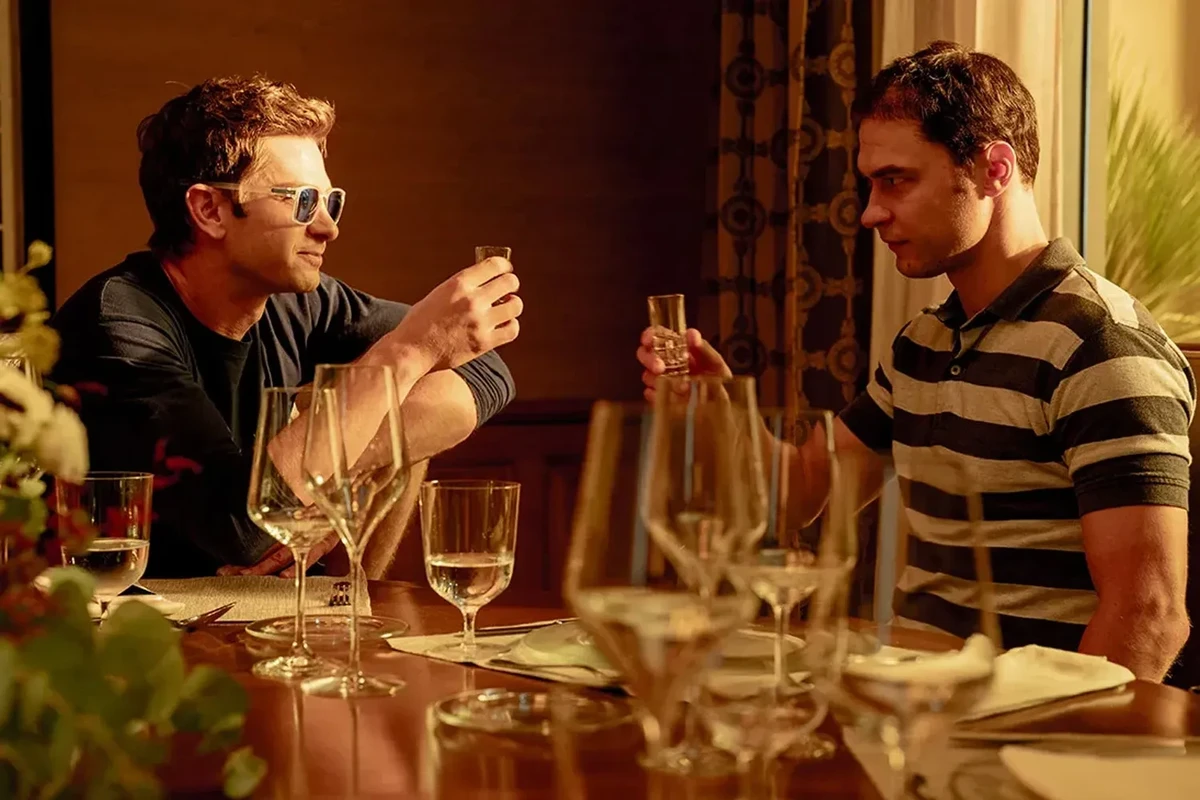
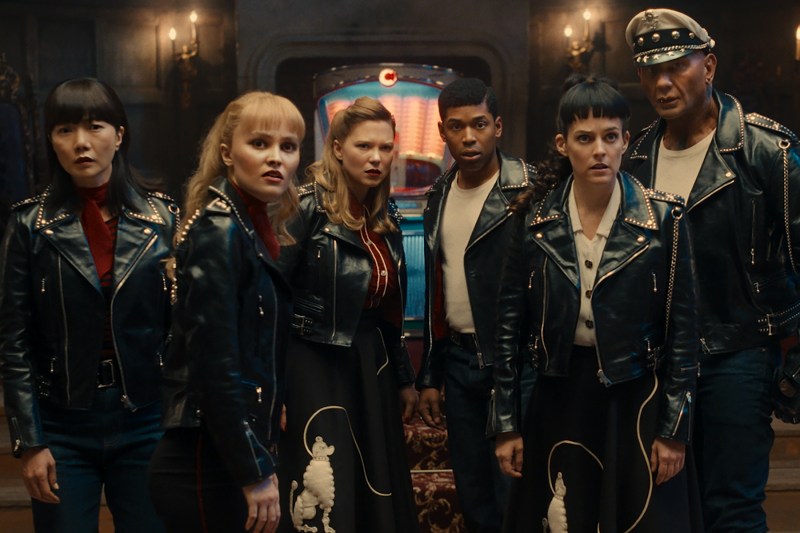

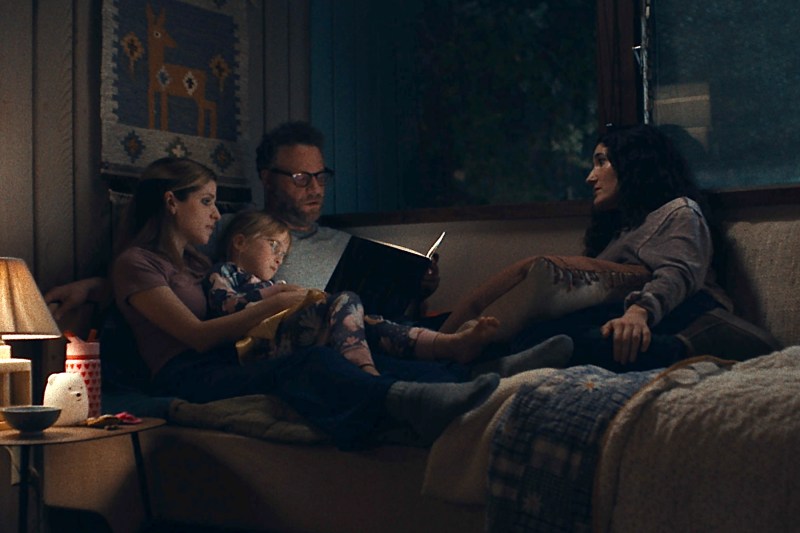
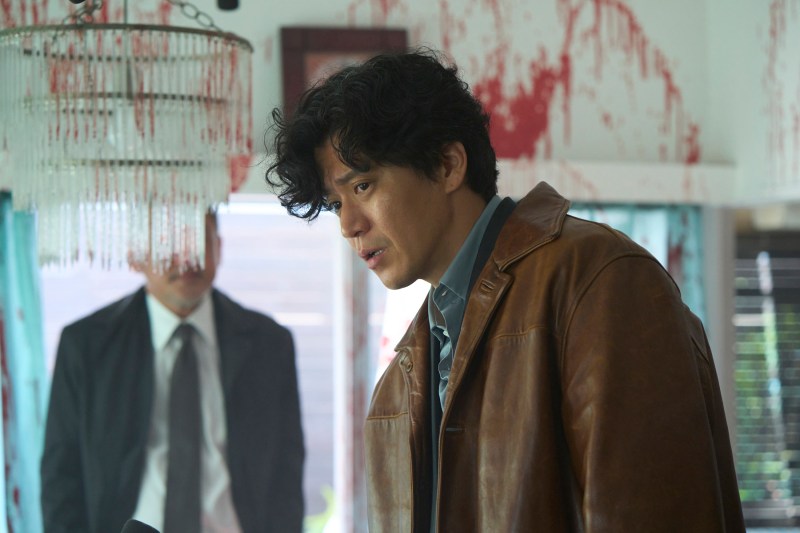
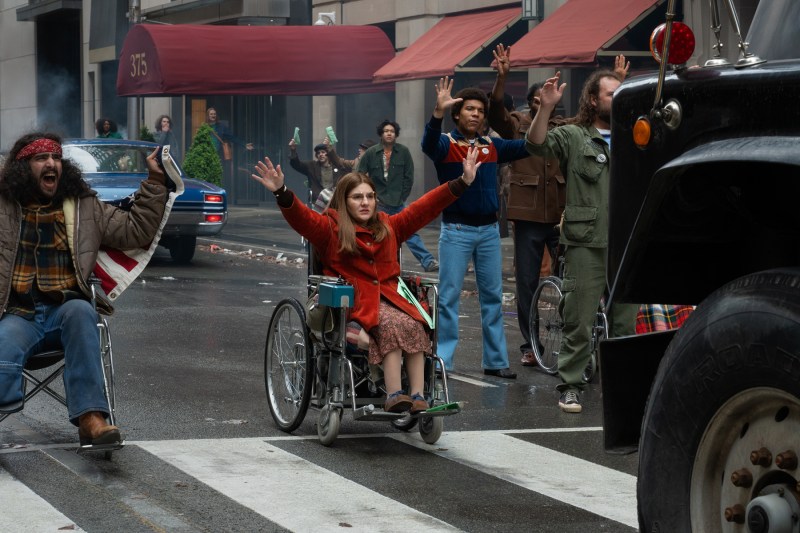
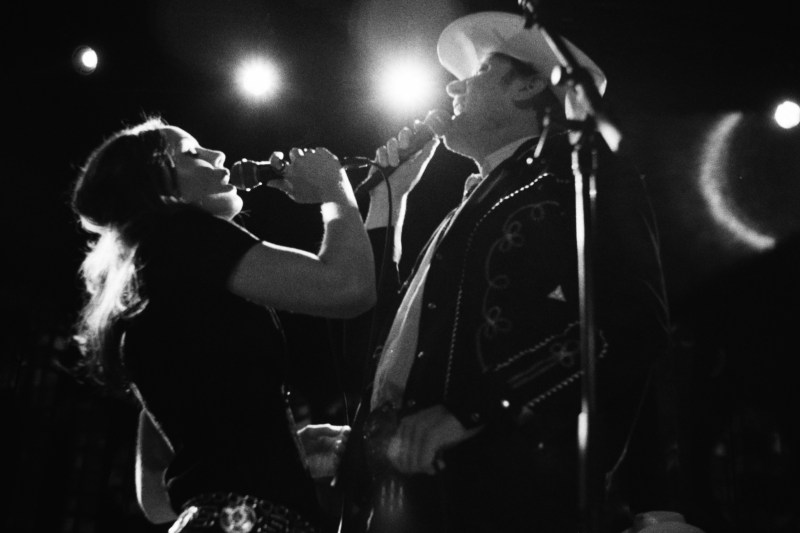
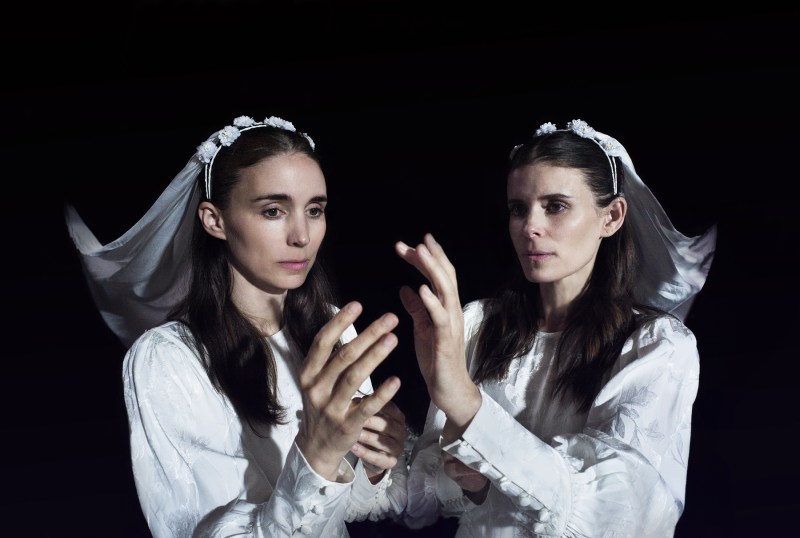
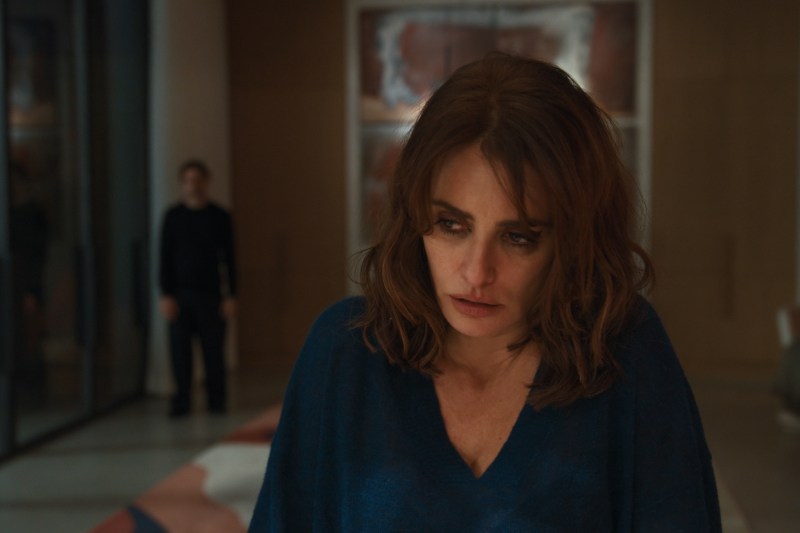
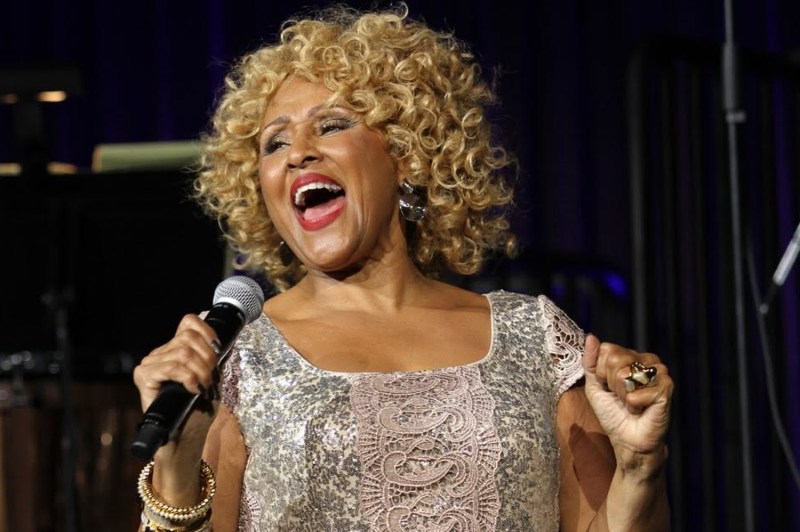
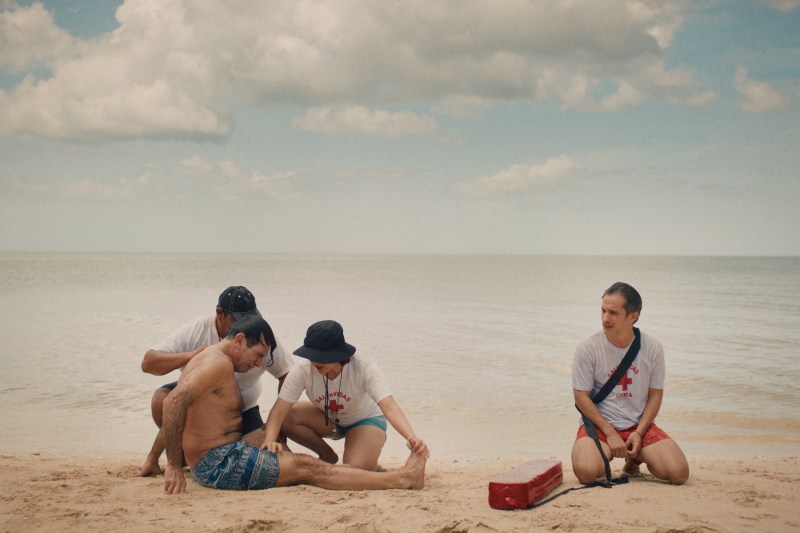
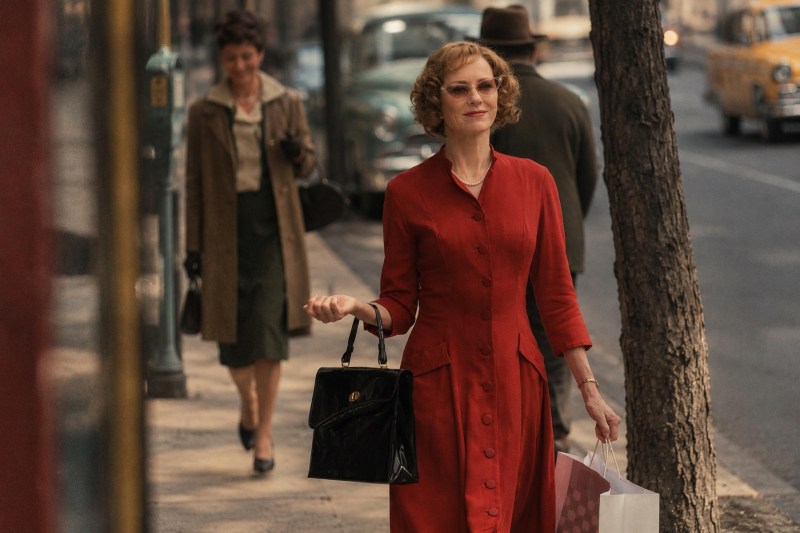
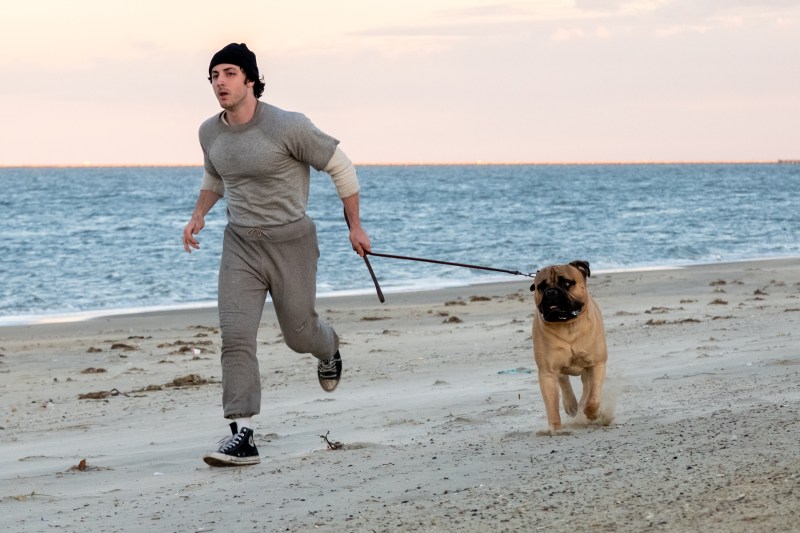

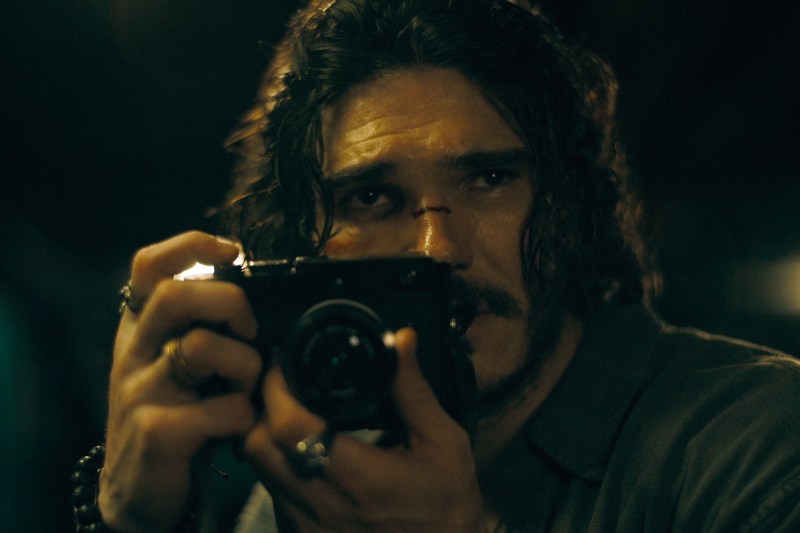
End of article