buzzfeed Press
30 Child Stars Who Opened Up About The Heartbreaking Realities Of Growing Up In Hollywood
Images
1 / 20
2 / 20

3 / 20
4 / 20
5 / 20
6 / 20
7 / 20
8 / 20
9 / 20
10 / 20
11 / 20
12 / 20
13 / 20

14 / 20
15 / 20
16 / 20
17 / 20
18 / 20
19 / 20

20 / 20
Mara Wilson said, "I made the mistake of Googling myself when I was 12 and saw things that I couldn't unsee."

As a staff writer at BuzzFeed, I write about all things celeb and pop culture.

Warning: This post mentions child abuse, sexual harassment, eating disorders, and mental health issues.

She kept the relationship secret for a long time, and she stayed with him until she was 20. She said, “I wasn't mentally able to process and understand things that would've made that relationship appropriate."

And in her book Master of Me, she wrote, "The power dynamic put me in a place that harmed me in ways I couldn't have known. I didn't have the language or the strength to accept that who he met was a child, not the woman I wanted to become."

Her podcast guest, Demi Lovato, said, "Uh, why was my boyfriend 30? ... Nobody our age could understand. But then you look back in hindsight, when I turned 30, I was like, 'That's not OK.'"

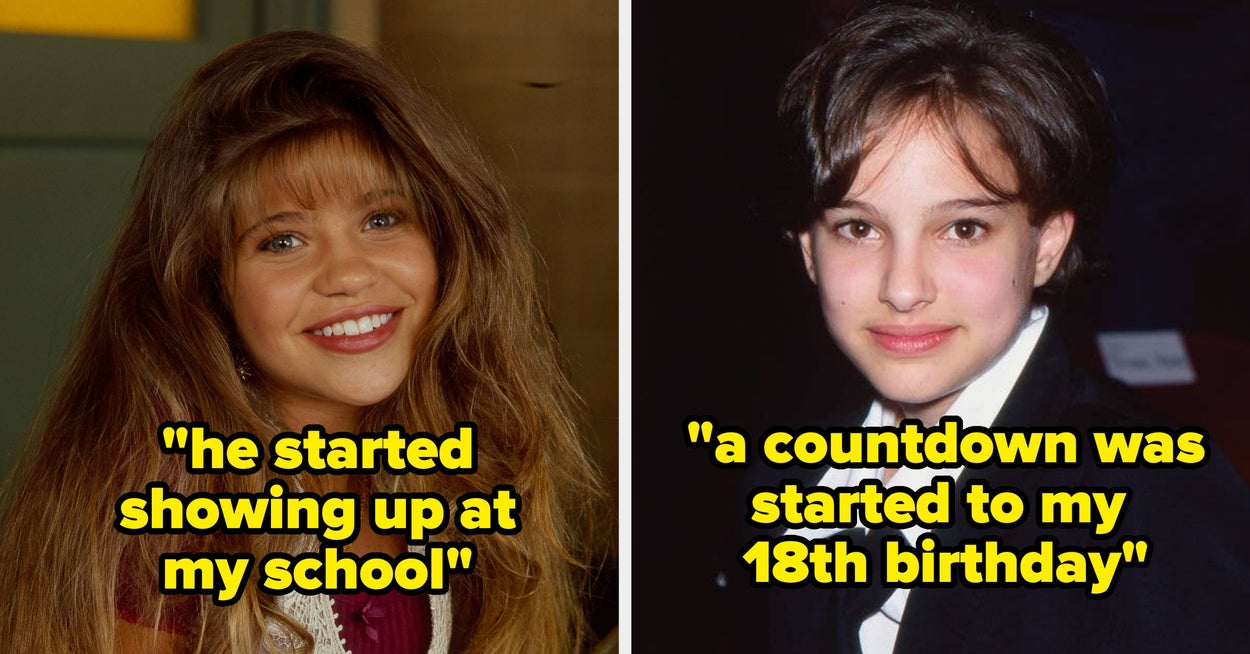
The situation turned into her "first stalker experience."

"And then he started showing up at my school and telling people he was there to pick me up," she said.

She said she was an example "of what's going on in the world and how young girls are sexualized," adding, "I have been dealing with that — but I have also been dealing with that for forever."

The lawsuit was reportedly "quietly dismissed."

Eventually, he confessed to hiding his passport, and the people around him expressed concern at the time. However, it didn't change anything — he still had to leave his friends and go do the Today show and keep grinding.

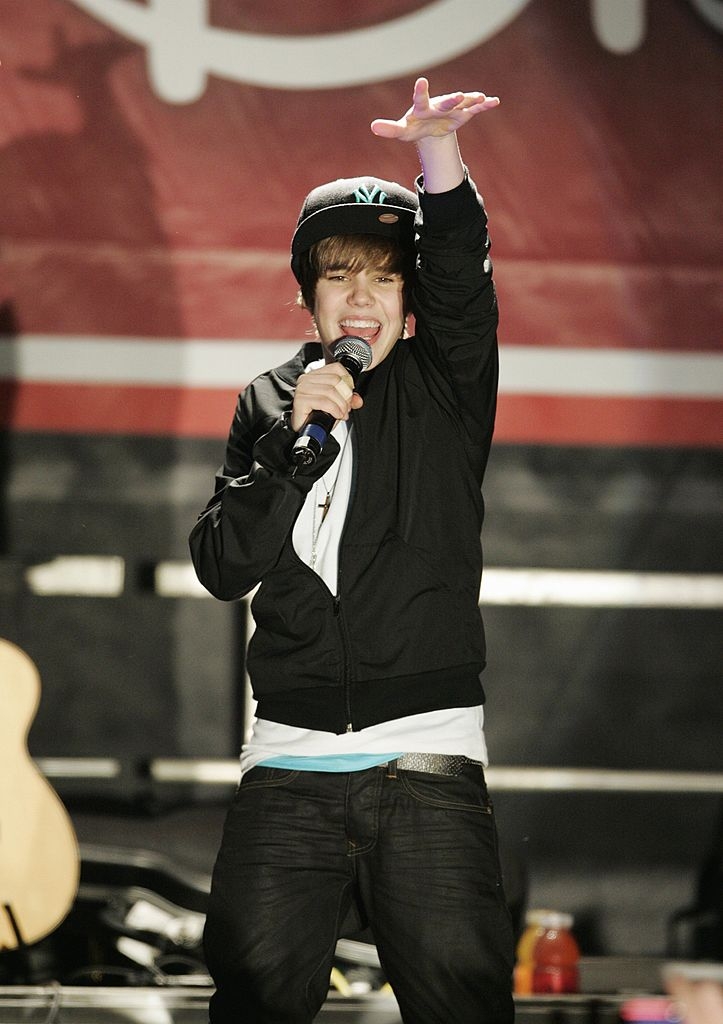
He also said, "[Singing] was supposed to bring such joy. Like, this is what I feel called to do. And my purpose in my life. I know that when I open my mouth, people love to hear me sing. I literally started singing on the streets, and crowds would form around me, to where I'm like, Okay, this could be something. There's this reciprocation of: I'm using my gifts to serve people. That's what I loved so much. And I just think more and more as you're a kid and you don't have an identity yet, and you're trying to figure out who you are, and to have everyone saying how good you are, how incredible you are? You just start to believe that stuff. And ego sets in. And then that's where insecurities come in. And then you start treating people a certain way and feeling superior and above people. And then there's this whole dynamic shift. I just woke up one day, and I'm just like, Who am I? I didn't know. And that was scary to me."

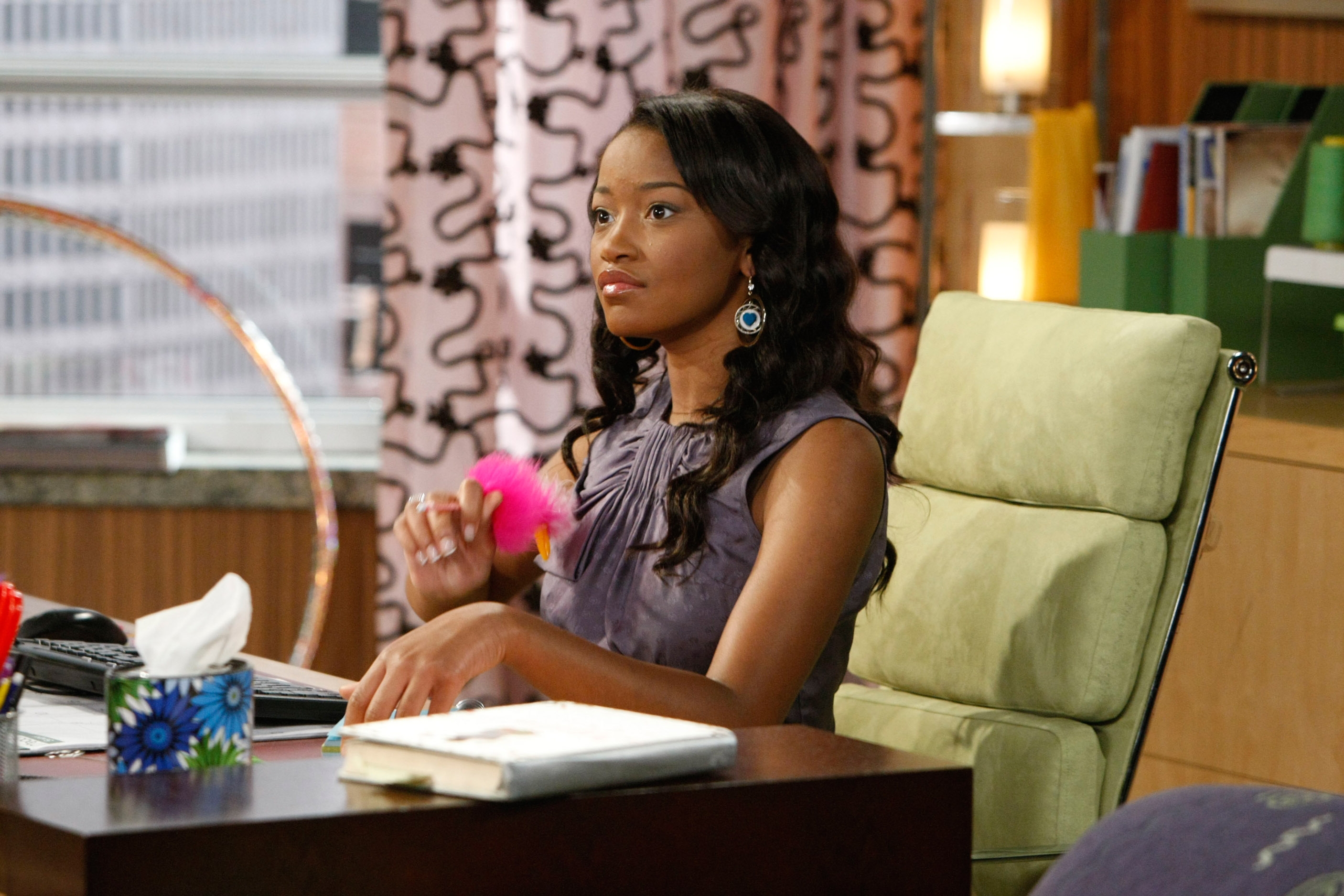
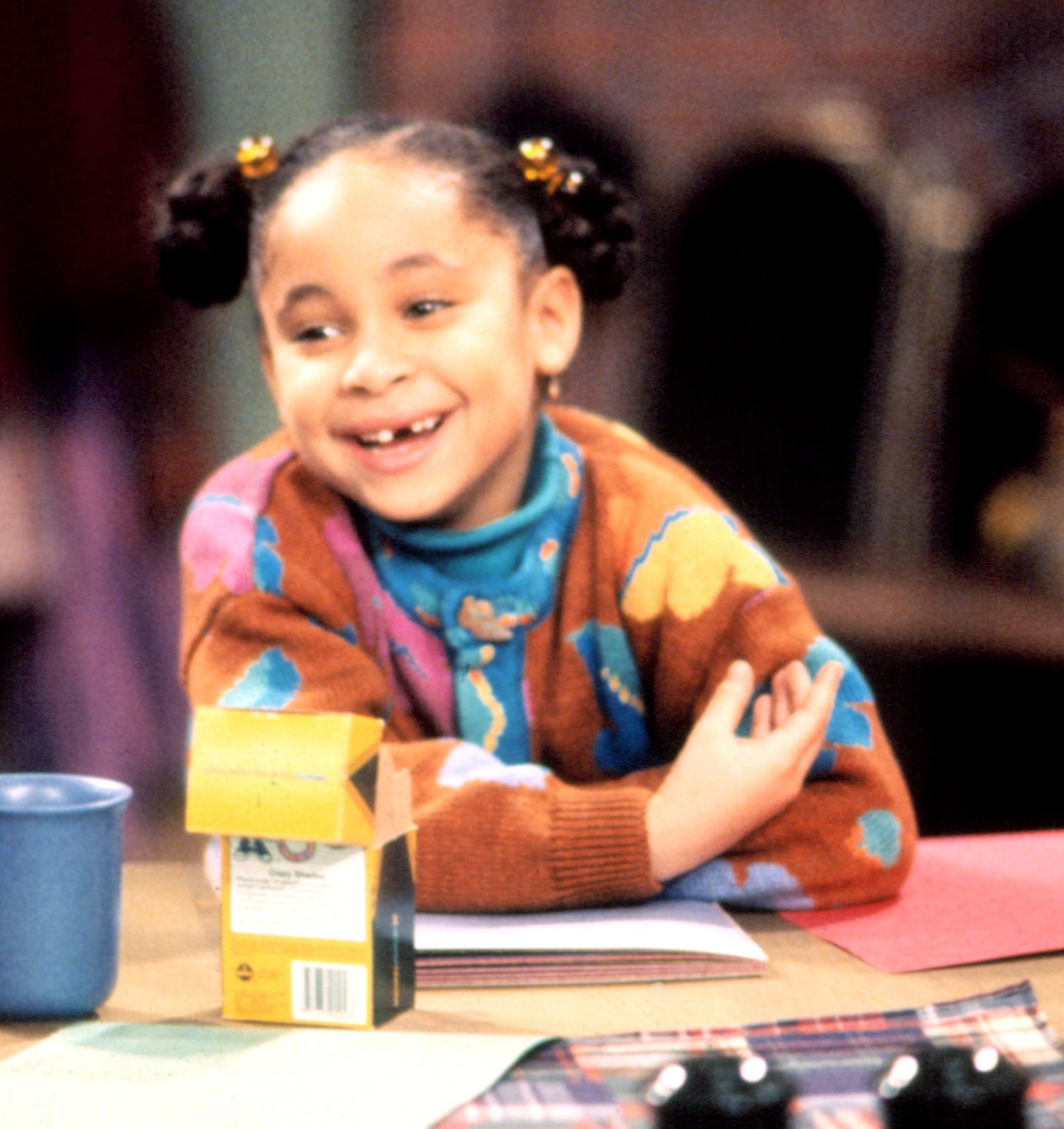
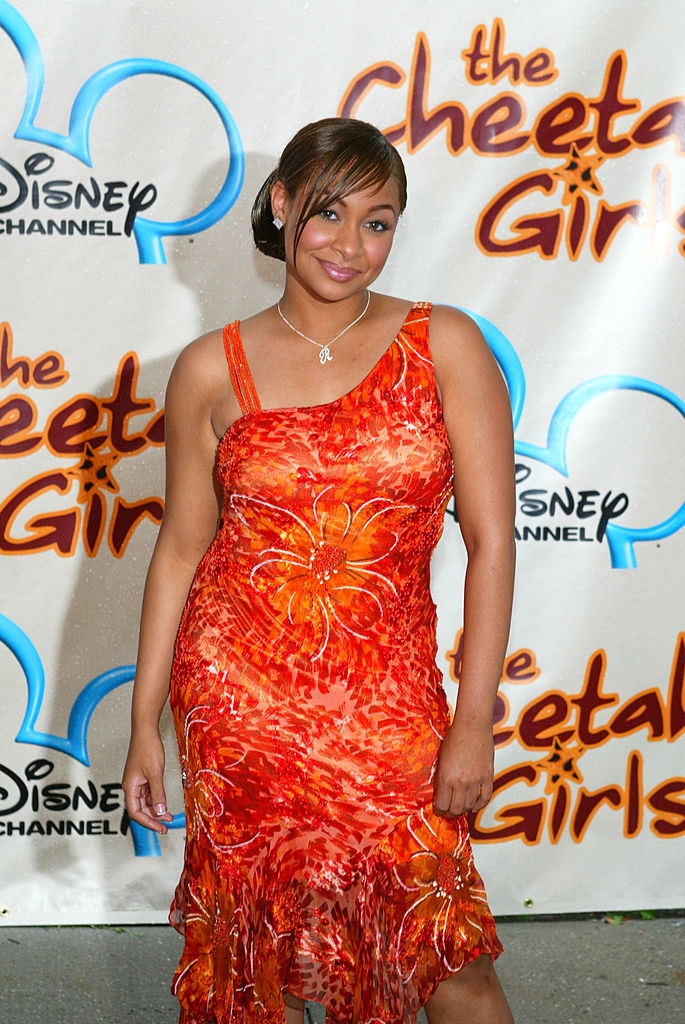
She continued, "I'm not gonna put them on blast, but that's what I was told at that young of an age, even up until I got up to 180 pounds on That's So Raven. You know, you put nasty stuff in front of me, or you put these images of women that I'll never aspire to, of course I'm gonna get depressed. It's more than just the food."

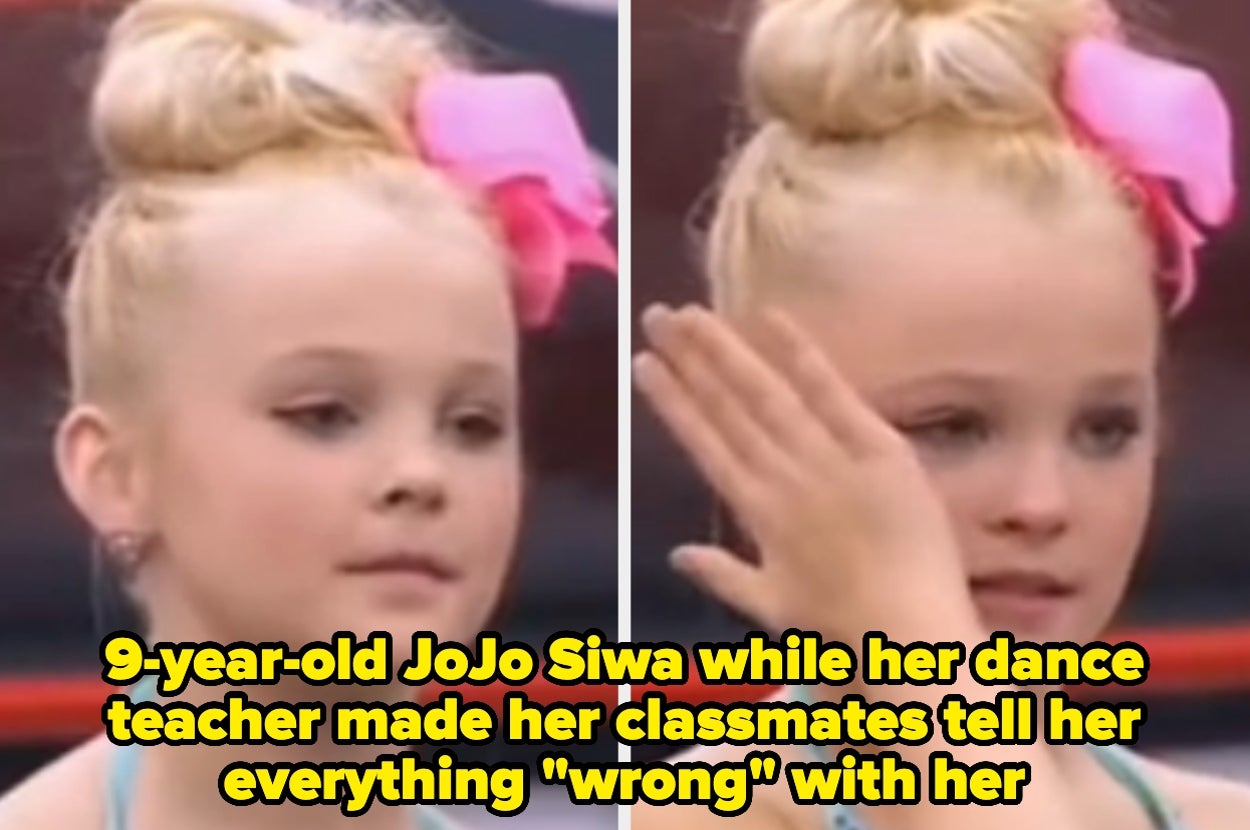
As JoJo held back tears, Abby Lee told her, "You're lucky to even be a guest here at the ALDC. If you're so good, you don't really need to be a part of the Abby Lee Dance Company."

Then, to the others, she shouted, "She deserves nothing! Don't have an attitude that you are entitled in this world, you deserve nothing."

"People who did things like ask me if it was OK if I worked overtime, instead of asking my parents, but I never felt unsafe. I think that's because I worked with a lot of really wonderful directors, who were used to working with children," she said.

She found pictures of herself on porn websites with her head edited onto other people's bodies. Additionally, when she was as young as 7, interviewers asked her to name the "sexiest" actor or if she knew what "French kissing" meant.

Similarly, she told Hart to Heart, "The concept of the show is that when I would alter my image and I would put on a wig, and I would put on sparkly things, that I held a new value — that I was valuable. It did translate into my real life. There was a different level of hysteria...the way that kids would react at these Hannah shows, versus when I was myself and I would meet fans. It was different."

She also said, "From the time I was 11, it was, 'You're a pop star! That means you have to be blonde, and you have to have long hair, and you have to put on some glittery tight thing.' Meanwhile, I'm this fragile little girl playing a 16-year-old in a wig and a ton of makeup. It was like Toddlers & Tiaras. I had fucking flippers."

On The Drew Barrymore Show, she said that being depicted as an underage sex object in various roles was about "these males needing [her] to be in a certain category to serve their story."

She said, "It never was about me, it was never protective of me. It was fun and loving at times, but I was just there. I was a pawn, I was a piece, I was a commodity."

Later, he told Oprah, "The reason why I [opened up about my experience] was I thought that it would help somebody. In actuality, it helped a lot of people."

He continued, "I couldn't [laugh]. I was like, 'Thank you guys for coming!' My mom was right there; my mother was sitting next to me. That was insane."

They continued, "On behalf of the current children being abused right now, there is an opportunity for us to empower each other through honest conversation and collaborative action."

In the essay, Alyson detailed different difficult situations they endured as a child actor. At age 6, they had to perform a scene depicting sexual violence for an audition.

By age 12, they felt like a "machine." Some companies they worked for allegedly ignored child labor laws and overworked them, and set conditions were "inappropriate and hazardous." Meanwhile, their body was "medically undernourished and chronically stressed, which later will evolve into severe eating disorders, adrenal fatigue, and mandatory bedrest."

At 17, the "grief, trauma, and stress" overtook Alyson, and they admitted themself to rehab.

They wrote, "I sign-in my name at the hospital, my body broken and my spirit shattered. A young girl battling her own health crisis finds a moment of relief, laughing at the television. I look at the screen. It's my face."

Afterwards, she signed with Hollywood Records, but they told her what to sing, wear, and say — and how to say it. Coco and her team worked hard and found great producers to work with. However, the people the label gave her to work with wanted her to sound — as she put it — "sellable." She put out a few singles and an EP, but right before her album was supposed to come out, the label dropped her. She said that they told her, "We don't know what to do with you."

She said, "At this point, I'm homeschooled. I dropped out of school for all of this, so this is my only priority. And I'm watching this stuff go, like, slower and slower and lower and lower until it feels like...trauma."

Coco dealt with depression, but with the support of her parents, she graduated high school early and moved to LA. She was very careful when choosing which deals to sign and which roles to take. She also faced a lot of colorism from casting directors.

As an adult, she relocated to another country, making Dubai her new home.

She said, "I wasn't having fun in the business anymore. I wasn't finding roles I loved. It's not a life I wanted to live, you know? It's not a real life. It pushed me so far away that I moved to the other side of the world. And I'm so glad I followed my gut."

"And, to be quite honest, as I have now gone through a second big round of this fame game as an adult, I've noticed the same psychological effects that fame yields upon a group of young adults as I did when I was a child. I just think people have an easier time hiding it when they're older," he said.

Additionally, he reportedly destroyed all of his Star Wars memorabilia and refused to watch the movies.

Fellow Star Wars actor Mark Hamill defended Jake in 2017, telling Vulture, "I couldn't believe some of the things they wrote about the prequels, you know. I mean really, beyond 'I didn’t like it.' I'm still angry about the way they treated Jake Lloyd. He was only 10 years old, that boy, and he did exactly what George [Lucas] wanted him to do. Believe me, I understand clunky dialog."

Jake experienced mental health struggles in his adult life.

In 2020, his family released a statement that said, "He has moved closer to his family and we are all working hard to help him with this [diagnosis]. He is still a kind and caring person, and we hope to have him back to his fun and entertaining self as soon as possible. Jake will continue to make progress with the love and support you continue to show."

In 2025, Jake did a rare interview, telling author Clayton Sandell he was feeling "pretty good, considering these 20 years of time that have come to an end." He said, "I can now accept taking on continued treatment, and therapy, and my meds. Everyone's been very supportive."

He also felt the support of Star Wars fans. He said, "The experience I've had with the fans is immediately therapeutic. Right now, it's still therapeutic. It's helpful for people and healthy. It isn't something I'd shy away from. ... I really do appreciate the time that's been taken on us. I'm very appreciative.”

The National Alliance on Mental Illness helpline is 1-800-950-6264 (NAMI) and provides information and referral services; GoodTherapy.org is an association of mental health professionals from more than 25 countries who support efforts to reduce harm in therapy.

If you are concerned that a child is experiencing or may be in danger of abuse, you can call or text the National Child Abuse Hotline at 1-800-422-4453(4.A.CHILD); service can be provided in over 140 languages.

For help and support, ANAD's eating disorder helpline is 1-888-375-7767.
Comments
You must be logged in to comment.