yahoo Press
Five Iranian women footballers seek refuge in Australia
Images
1 / 8
2 / 8

3 / 8

4 / 8
5 / 8

6 / 8

7 / 8

8 / 8
Five players from the Iranian women's national football team have left the team’s training camp and successfully sought refuge in Australia, according to the former shah's son.

The five players were moved to the safe house, managed by the Australian Federal Police and other authorities, from their Gold Coast hotel earlier on Monday, ITV News' US Partner CNN.

Concerns were raised for the safety of members of the team following their defeat in the AFC Women's Asian Cup after they were labelled traitors by members of the Iranian regime for staying silent during the national anthem at the beginning of their first match last week.

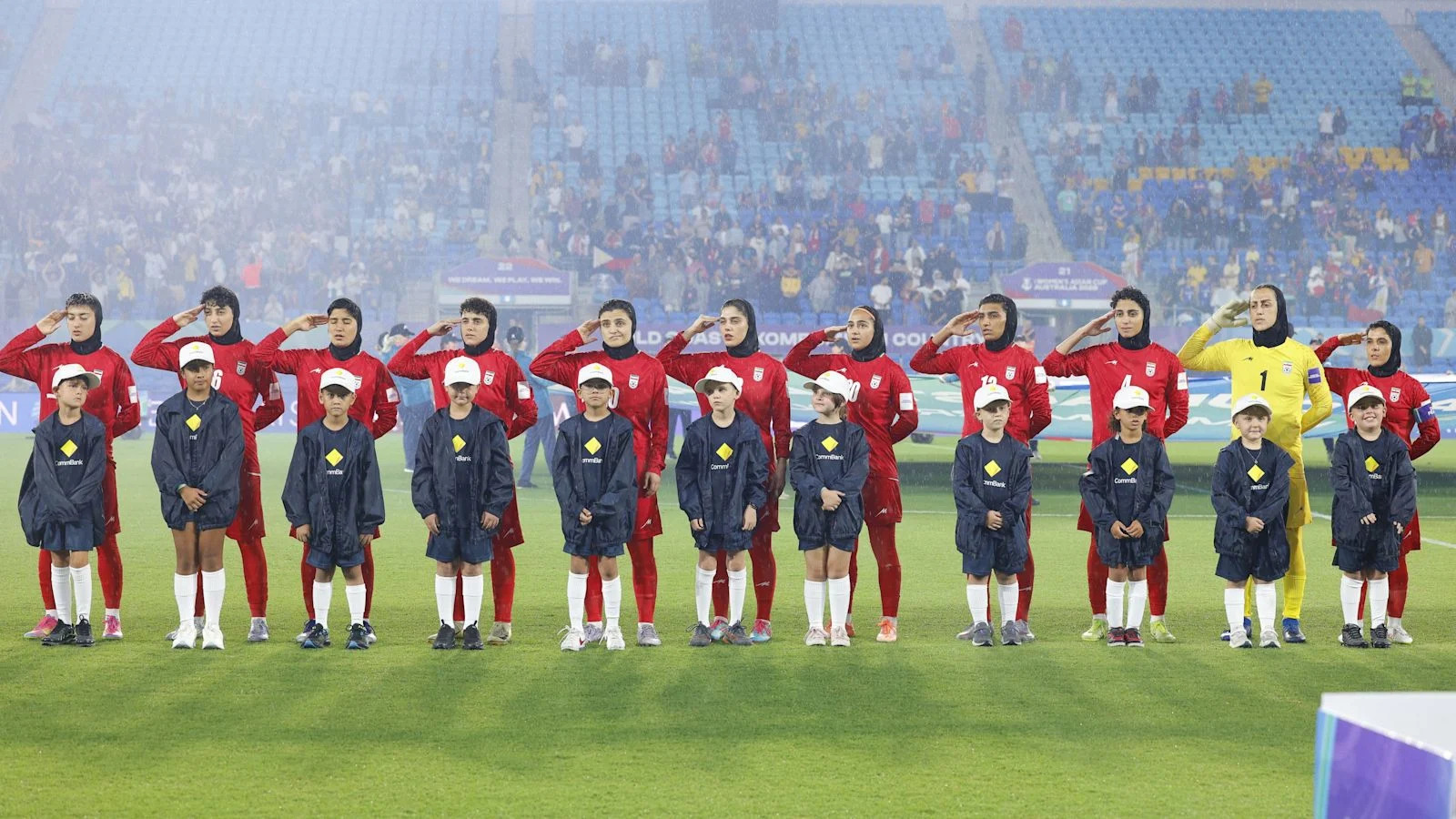
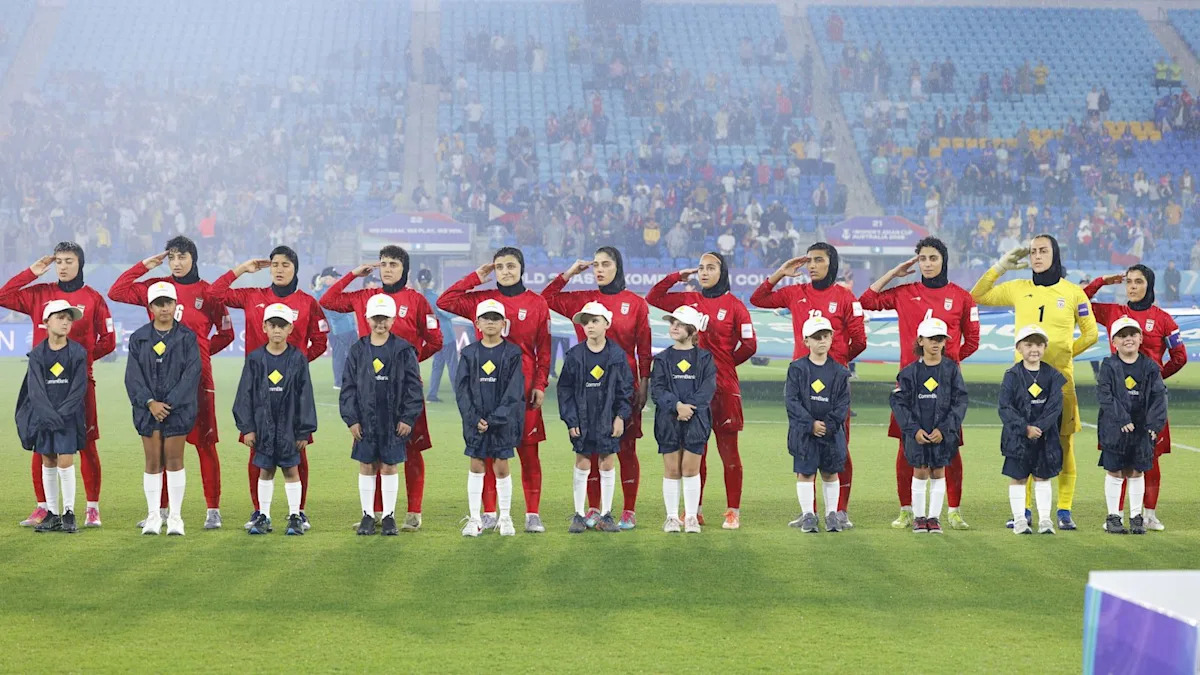
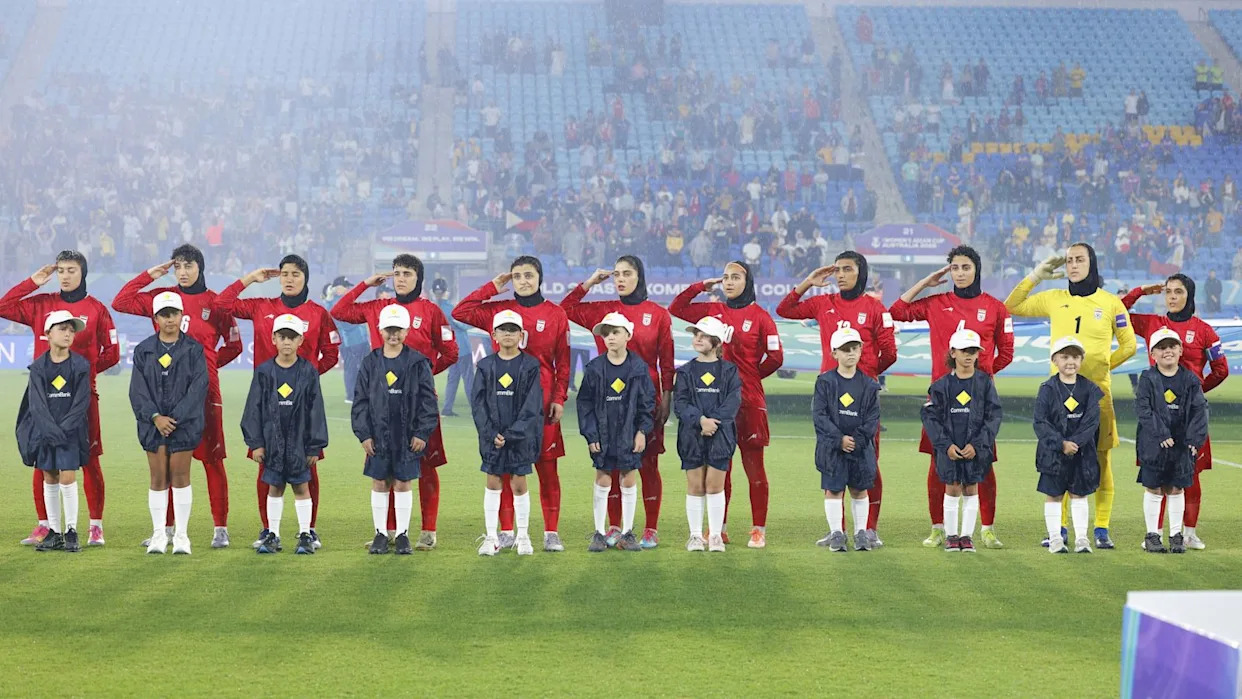
Sources told ITV News that the team was forced to sing the national anthem ahead of their second match on Thursday, and again on Sunday before their 0-2 defeat to the Philippines, where they also saluted.

Reza Pahlavi, the son of Iran's ousted shah, had joined calls for the women's safety to be ensured by the Australian government. He named the footballers who he said had fled the team for safety as Fatemeh Pasandideh, Zahra Ghanbari, Zahra Sarbali, Atefeh Ramazanzadeh and Mona Hamoudi.

Mojtaba Khamenei: What does Iran's new leader say about the regime's intentions?

How Starmer was squeezed between his defence chiefs and all his senior ministers

Writing on X, he added: "These five courageous athletes, currently in a safe location, have announced that they have joined Iran’s national Lion and Sun Revolution."

The Lion and Sun refer to the original emblem on Iran's national flag that was replaced by an emblem representing the word "Allah" and the phrase "God is Great" (Allāhu akbar) after the 1979 revolution.

Earlier, Pahlavi had said the women would face “dire consequences” if they returned to Iran.

He said: “I call on the Australian government to ensure their safety and give them any and all needed support.”

The war between the US, Israel and Iran has entered its second week, with seeminly little appetite for de-escalation.

The Iranian Red Crescent reports that more than 1,200 people in Iran have been killed since the war broke out on February 28. The attacks come just over a month after Iran's theocratic regime killed tens of thousands in a ruthless crackdown on protests that began in demonstrations against the increasingly dire economic crisis and swelled to encompass dissatisfaction with the government.

Several footballers were among those killed in the protests.

After the loss in their final match of the tournament on Sunday, supporters crowded around the Iranian team bus, shouting at police to “save our girls” as it pulled away. Hadi Karimi, a human rights advocate and member of the local Iranian community, said supporters outside the bus could clearly see at least three players inside making the international hand signal for help.

However, a source close to the team expressed scepticism to CNN that the team members would know what the sign represents.

Craig Foster, a former Australian international and human rights advocate, said “a vast range of organisations” had tried to speak with the women during their time in Australia but had been denied the opportunity.

“The first thing that the Australian football community is calling on them is to grant access to the players to safe, culturally appropriate support networks, so that they can privately and confidentially express if they are feeling unsafe and what they would like to see happen,” he said.

Subscribe free to our weekly newsletter for exclusive and original coverage from ITV News. Direct to your inbox every Friday morning.

At a post-match press conference on Sunday, Iran coach Marziyeh Jafari said the women's team were keen to return home.

“Personally, I would like to return to my country as soon as possible and be with my compatriots and family,” she said.

Reporting History sees journalists join News At Ten anchor Tom Bradby to revisit their remarkable on-the-day reports of the defining events of the modern age. Listen to the episodes below...
Comments
You must be logged in to comment.