bbc Press
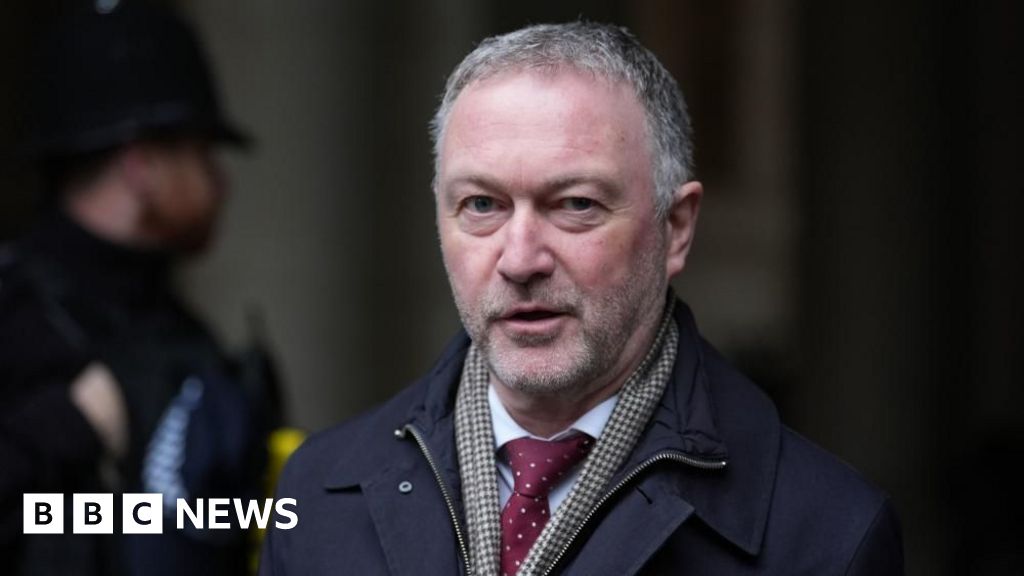
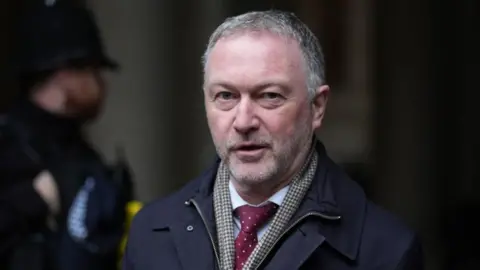
Steve Reed: Anti-Muslim hatred definition doesn't hit free speech
Images
1 / 7
2 / 7
3 / 7
4 / 7

5 / 7
6 / 7
7 / 7
Government efforts to protect Muslims from abuse will in "no way" restrict people's freedom to criticise Islam, the communities secretary has said.

Steve Reed told the BBC the new definition of "anti-Muslim hostility" finds the right balance, alongside measures aimed at promoting integration and tackling "extremist influence" in institutions, such as charities and universities.

Unveiling the new definition as part of a wider social cohesion plan, Reed told MPs a clear definition of the problem was needed in order to take action to stop it.

The Equality and Human Rights Commission (EHRC) last year raised concerns that a new definition risked creating a "chilling effect" on freedom of expression.

The new Protecting What Matters report also states that the government plans to appoint a special representative focused tackling anti-Muslim hostility.

The definition is laid out over three paragraphs, and says in full:

"Anti-Muslim hostility is intentionally engaging in, assisting or encouraging criminal acts – including acts of violence, vandalism, harassment, or intimidation, whether physical, verbal, written or electronically communicated – that are directed at Muslims because of their religion or at those who are perceived to be Muslim, including where that perception is based on assumptions about ethnicity, race or appearance.

"It is also the prejudicial stereotyping of Muslims, or people perceived to be Muslim including because of their ethnic or racial backgrounds or their appearance, and treating them as a collective group defined by fixed and negative characteristics, with the intention of encouraging hatred against them, irrespective of their actual opinions, beliefs or actions as individuals.

"It is engaging in unlawful discrimination where the relevant conduct – including the creation or use of practices and biases within institutions – is intended to disadvantage Muslims in public and economic life."

Speaking in the Commons, Reed said the new definition will give a "clear explanation of unacceptable prejudice, discrimination and hatred targeting Muslims".

"The definition safeguards our fundamental right to freedom of speech about religion in general or any religion in particular and ensures that concerns raised in the public interest are protected," he said.

The new strategy also contains protections for Jewish communities, including "record funding for security at synagogues and schools, millions of pounds to tackle antisemitism in schools and universities, new laws to stop abusive protests outside places of worship".

Described as  "a rallying call for action", the government hopes the strategy will help to build a "more connected, cohesive and resilient United Kingdom".

However, shadow communities minister Paul Holmes said the definition "raises serious questions", adding: "It risks undermining free speech within the law, it risks hindering legitimate criticism of Islamism, and it risks creating a backdoor blasphemy law."

Reed rejected this, saying: "There is absolutely no question of blasphemy laws by the back door."

The definition is non-statutory, meaning it is not set in law or legally binding, but will provide guidance to public bodies on what constitutes unacceptable treatment of Muslims.

Welcoming the new definition, British Muslim Trust (BMT) chair Shabir Randeree said action was needed to tackle "a huge spike" in attacks on mosques and on British Muslims on our streets.

"Anyone who tells you things can continue as they are simply isn't serious," he said.

"The definition published today is welcomed and should be a step forward that will help guide institutions that have too often been too slow or too weak in their responses to incidents a tolerant and respectful country like ours must never accept."

Last year the government set up an independent advisory group to formulate a definition, led by former Conservative minister Dominic Grieve, following record levels of hate crime, including against Muslims.

During that consultation, the EHRC said a new definition could cause "further harm to community cohesion if it is perceived as a threat to freedom of expression".

Reed told BBC Radio 4's Today programme he shared concerns around freedom of speech, but the definition "in no way restricts people's freedom and people's rights to criticise religion in general, any religion in particular or even people for practising that religion".

Former Conservative minister Baroness Warsi, who co-chairs the all-party parliamentary group on British Muslims, told the BBC: "If there ever was a need for us to start tackling anti-Muslim racism, anti-Muslim hatred seriously then this is the time."

Ahead of the definition being published, Jonathan Hall KC, the government's independent reviewer of terrorism legislation, said it needed to contain examples of free speech which were not anti-Muslim hatred.

He said there were "uncomfortable" topics that people wanted to talk about, including migration and Islamism, and he would want to see if the definition "allows people to speak about that" or would the examples be "very narrow".

Hall told the BBC: "The worry will be with loose language people will feel inhibited about talking about things which are genuinely important today."

Prime Minister Sir Keir Starmer said some people are trying to use the Iran conflict as an "opportunity to divide" the Muslim community and the Jewish community.

Speaking during a visit to a community centre in London, Sir Keir said the "broader" cohesion plan is about "how we bring the country together".

Of the total religious hate crime offences recorded by police in England and Wales in the year ending March 2025, 4,478 (45%) targeted Muslims - compared to 3,866 in 2023/24.

A breakdown of the "hate crime rate" in 2024/25 released by the Home Office showed 106 offences targeted Jewish people per 10,000 population and 12 offences per 10,000 Muslims.

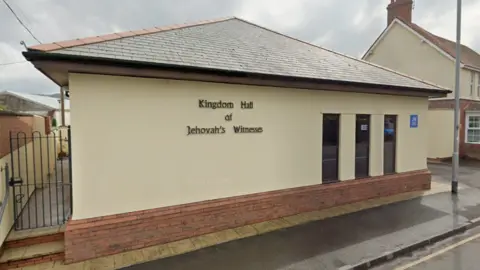
The Kingdom Hall in Minehead was daubed with graffiti associated with the far right.

Police say there were 2,260 race hate incidents recorded in 2025 - the highest level since records began.

The Kingdom Hall in Minehead received a threatening letter and dog faeces through its letterbox.

The Police Service of Northern Ireland (PSNI) said the incident is being treated as a racially motivated hate crime.

Ibrahim Iqbal, who has been convicted of hate crimes, also storms out of the court hearing.
Comments
You must be logged in to comment.