yahoo Press
Founder of Chinese property giant pleads guilty to fraud
Images
1 / 5
2 / 5

3 / 5

4 / 5
5 / 5
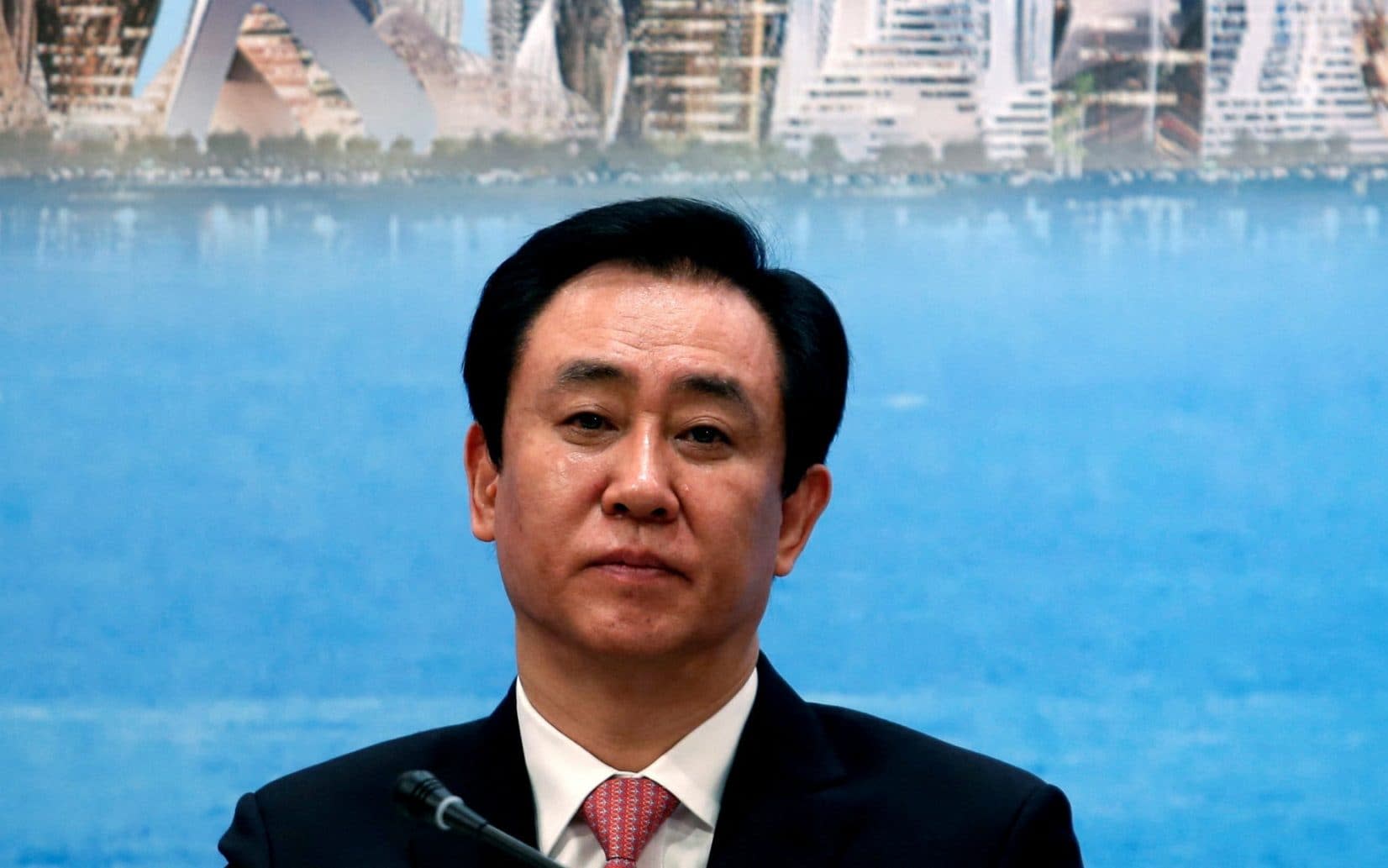
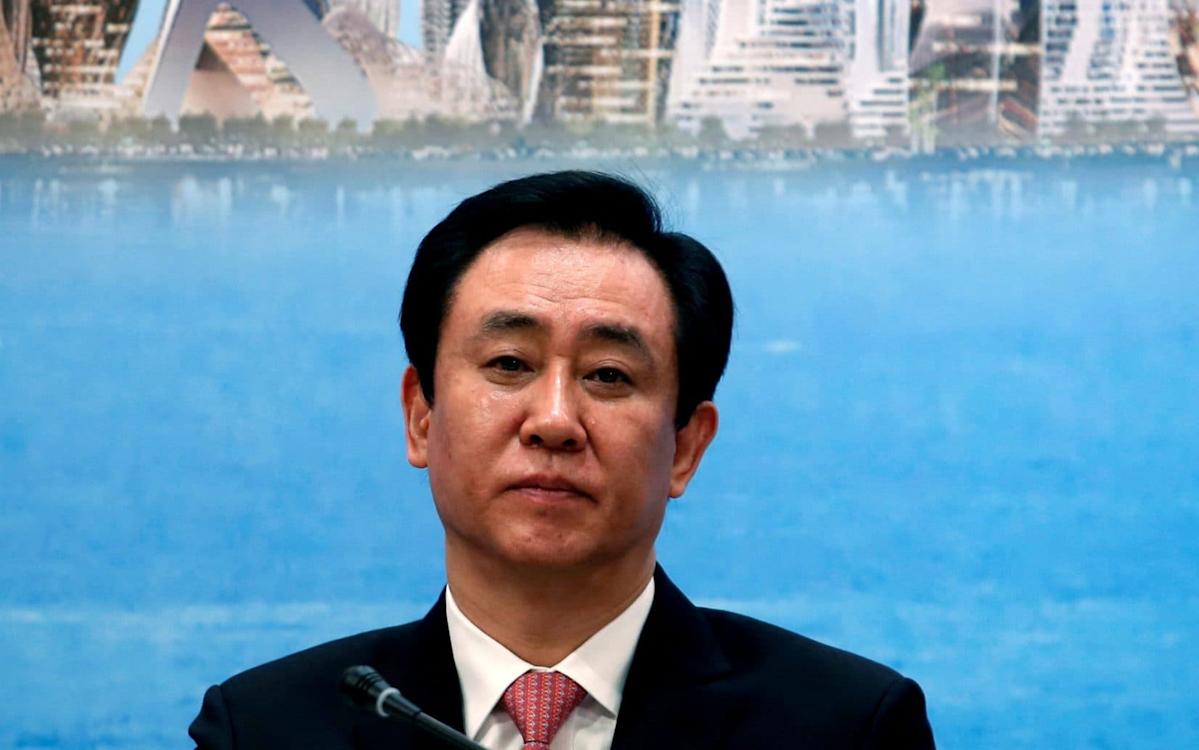
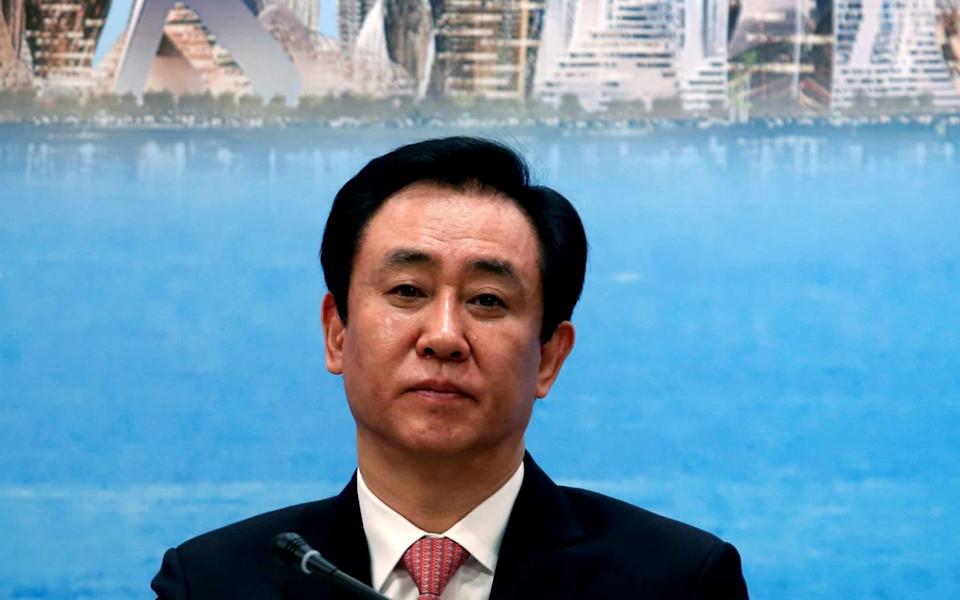
The founder of the failed Chinese property giant Evergrande is facing the threat of life in prison after pleading guilty to fraud and bribery.

Hui Ka Yan, also known as Xu Jiayin and once one of China’s richest men with a fortune of $45bn (£36bn), made the plea during a court hearing in Shenzhen earlier this week.

It marks a significant fall from grace for the businessman, who turned Evergrande into China’s biggest property developer before it collapsed under the weight of huge debts in 2021.

Evergrande’s unravelling has led to a raft of claims against Hui, including embezzlement of assets and illegal fundraising. The offences carry a maximum penalty of life imprisonment and confiscation of property.

The court in Shenzhen said it would announce its verdict on the case at a later date, claiming on Tuesday that Hui had “pleaded guilty and expressed remorse” during proceedings.

His trial took place after he was detained in China in Sept 2023 on suspicion of committing crimes. Hui, a former steelworker, has not been seen publicly since.

At its peak, Evergrande had a stock market valuation of more than £37bn, working on around 1,300 projects in 280 cities across China.

However, large debts crippled the company in 2021, sending the company’s value plummeting and sparking China’s property downturn, which has weighed on the economy for years.

The China Securities Regulatory Commission found in 2024 that Evergrande had inflated earnings and committed securities fraud.

The commission found that revenues were overstated by more than 560bn yuan (£60.6bn) by recognising sales in advance.

It fined Hui 47m yuan (£5.1m) and handed him a lifetime ban from participating in China’s stock markets.

The indebted property giant was fined 4.18bn yuan (£451.4m) before being ordered to liquidate by a Hong Kong court in 2024. The company was removed from the Hong Kong stock exchange last year.

The collapse of the company has fuelled a property crisis across China, as home sales slowed and construction companies scaled back developments.

Beijing has sought to prop up the property market by providing incentives to prospective home buyers.

However, the economy has since been dealt a fresh blow by the Iran war, straining China’s energy supplies and piling pressure on the country’s manufacturing sector.

Try full access to The Telegraph free today. Unlock their award-winning website and essential news app, plus useful tools and expert guides for your money, health and holidays.
Comments
You must be logged in to comment.