yahoo Press
Gas Prices Jump to $4.23, Highest Since 2022—See Prices in Your State
Images
1 / 6
2 / 6

3 / 6

4 / 6
5 / 6

6 / 6
Gas prices have jumped to $4.23 a gallon—the highest level since July 2022—after a brief dip earlier this month.

Prices are up $1.25 per gallon since the end of February, when the Iran conflict began and oil markets started surging.

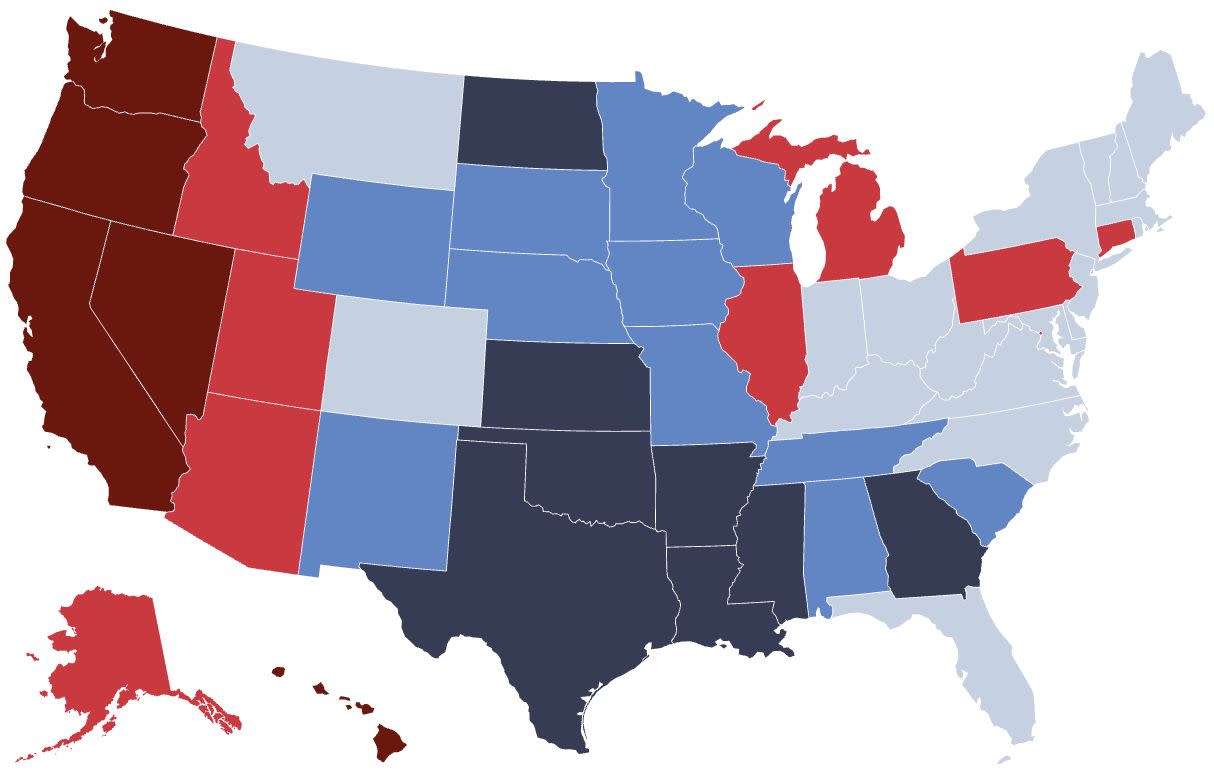
Gas prices vary widely by state, with only a few holding below $3.75 while several top $5 a gallon.

Gasoline prices have climbed back to a new high after a brief period of relief, as the Iran conflict continues to drive volatility in oil markets and push fuel costs higher. The recent easing at the pump has now reversed, with shifting expectations around the conflict lifting prices again.

The national average for regular gasoline has jumped 12 cents this week to $4.23 per gallon, according to AAA—surpassing the previous peak of $4.17 reached on April 9. In between, prices drifted lower for nearly two weeks as optimism built for a potential resolution to the conflict.

But April's dip has now been fully erased as crude oil climbs again amid renewed uncertainty about the conflict—pushing gas prices back to levels not seen since July 2022.

Before the recent surge, drivers had been enjoying relatively low prices at the pump, with the national average holding below $3 for most of December, January, and February—the first sustained stretch in that range in almost five years. Since then, however, prices have climbed $1.25 per gallon to today’s high.

Gas prices are back at multiyear highs after a brief dip as oil prices climb again. With wide differences by state, what you pay will depend largely on where you fill up.

Gas prices have risen in every state this week except Hawaii and Arizona, which have held essentially steady. A handful of states, meanwhile, have seen dramatic jumps, with Indiana and Ohio each surging more than 30 cents per gallon over the past two days.

Drivers in Oklahoma continue to see the cheapest price at the pump—at $3.66—with Georgia, Kansas, and Arkansas being the only other states holding below $3.75. All 50 states have averaged above $3 per gallon since March 11.

At the high end, five states continue to average $5-plus per gallon. California tops the list at $5.98, followed by Hawaii, Washington, Oregon, and Nevada. The price difference between California and Oklahoma is currently $2.32 per gallon.

Meanwhile, 26 additional states currently average above $4, for a total of 31 states—plus Washington, D.C.—sitting above this threshold.

The national average briefly topped $5 per gallon in June 2022 after Russia’s invasion of Ukraine disrupted global oil supplies. Demand had surged after the pandemic, making the price spike even more severe.

Gas prices can look very different depending on where you live—and those gaps remain pronounced even when national prices shift. The differences reflect how fuel is taxed, produced, and delivered across the country.

Fuel taxes are one of the biggest drivers. According to the U.S. Energy Information Administration, federal and state taxes accounted for more than 14% of the average price per gallon in 2023. Because some states levy significantly higher gasoline taxes and fees than others, those costs show up clearly at the pump.

Geography and infrastructure also play a role. States closer to major refineries or pipeline networks often benefit from lower transportation costs, while more isolated markets can face supply constraints that push prices higher.

In some cases, environmental rules add to the divide. California, for example, requires a cleaner-burning gasoline blend that relatively few refineries produce, contributing to its persistently higher prices.

When oil prices rise sharply—as they have in recent days—those built-in cost differences can amplify the impact in already expensive states. Even when crude prices later fall, these underlying factors remain, helping explain why price gaps across the U.S. can stay wide.

Read the original article on Investopedia
Comments
You must be logged in to comment.