yahoo Press
How SpaceX's float could lift the tide for European space tech
Images
1 / 5
2 / 5

3 / 5
4 / 5

5 / 5
The above button links to Coinbase. Yahoo Finance is not a broker-dealer or investment adviser and does not offer securities or cryptocurrencies for sale or facilitate trading. Coinbase pays us for certain activity generated through this link. Prices displayed are informational.

Timothy A. Clary/Getty Images

European space tech startups have raised more than €2 billion (about $2.3 billion) in VC funding this year, almost double last year’s total, and SpaceX‘s IPO could help pour more fuel on that fire.

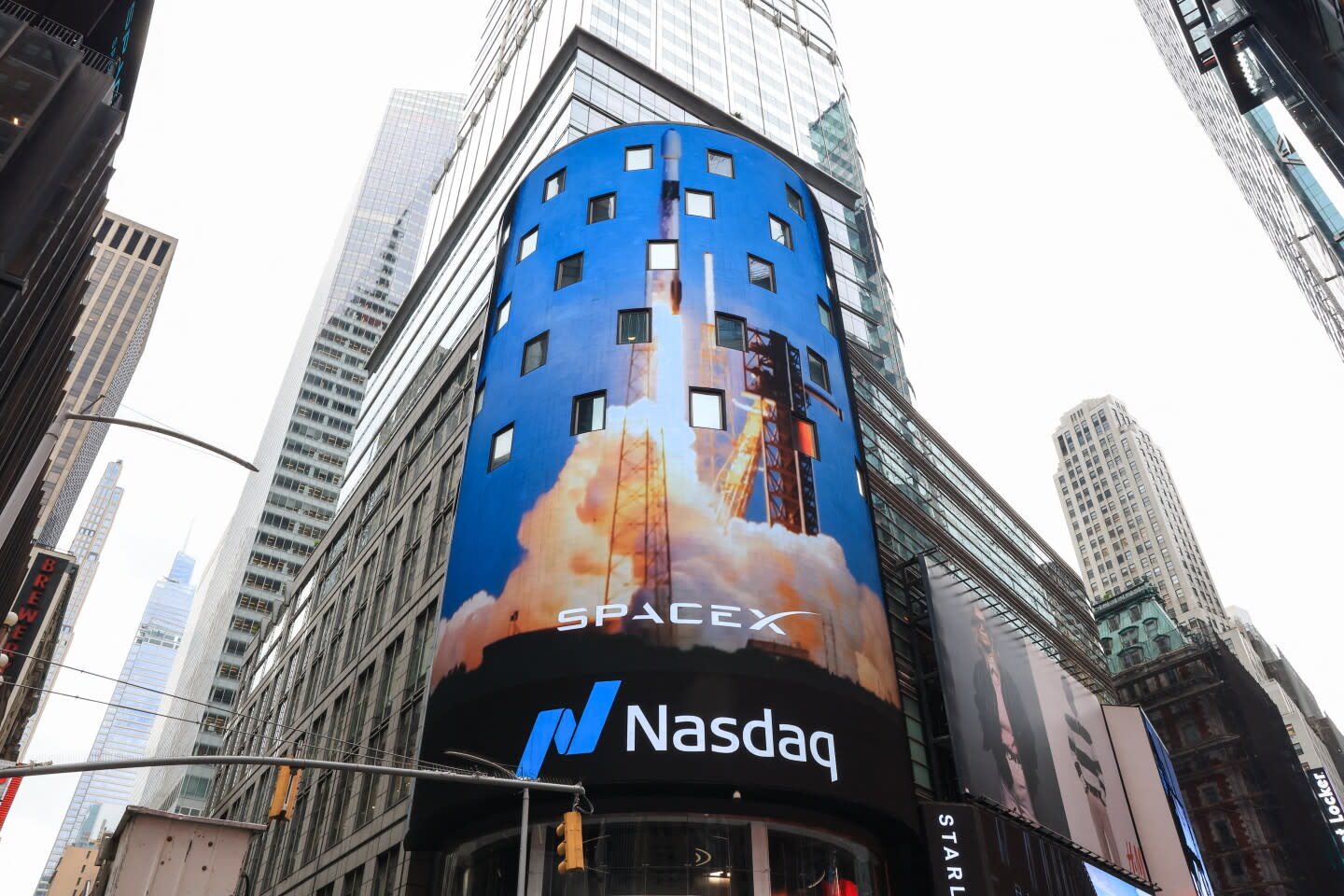
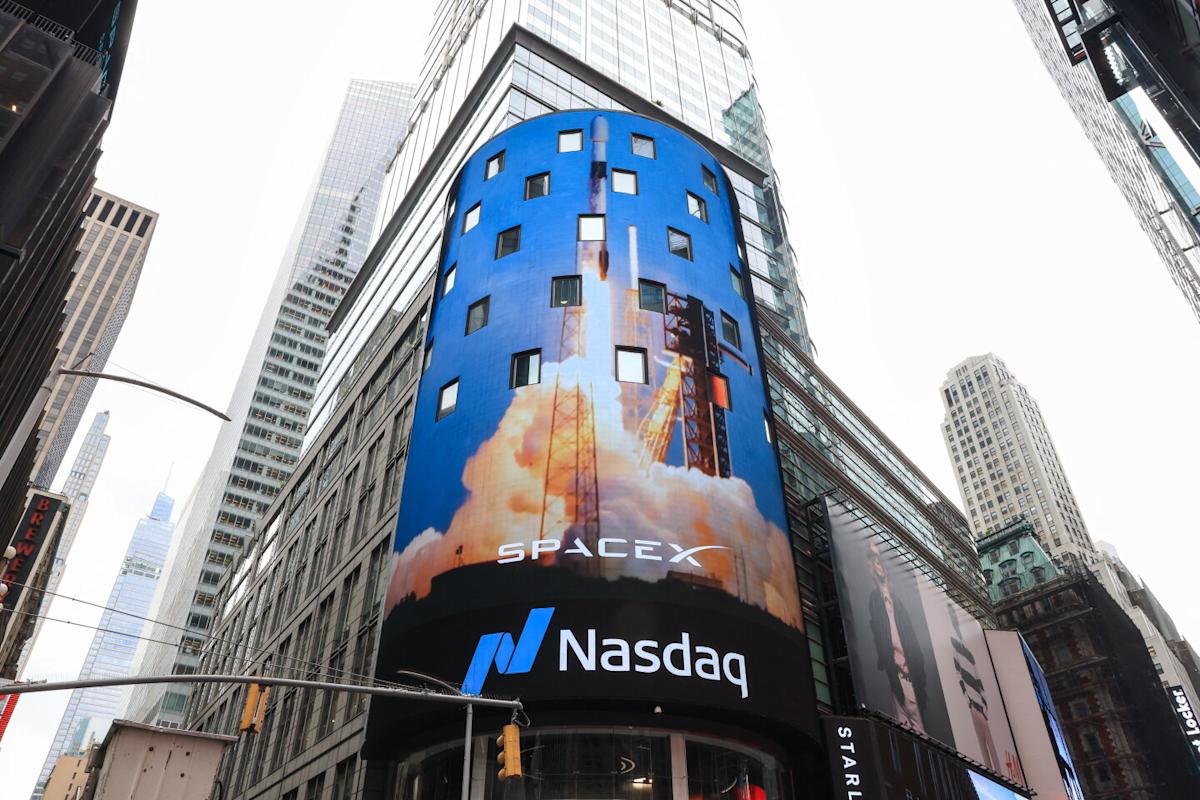
Last week, SpaceX made its Nasdaq debut, closing out its first day of trading at a market cap of over $2 trillion and becoming the sixth-largest public company in the US. More than just a record-breaking IPO, the listing is expected to lead to a significant increase in VC appetite for space tech globally.

“Private money is going to want to invest in the next SpaceX,” Thomas Oehl, GP at German deep tech VC firm Vsquared Ventures, said. “There are great potential winners in the US, but Europe also has global leaders. All space companies are global from the get-go.”

Much of that new capital is expected to flow to Europe, where defense spending, sovereignty concerns and a maturing startup ecosystem have already primed the market.

According to Seraphim Space CEO Mark Boggett, the IPO will also help attract capital from a broader range of sources, including generalist VCs, sovereign wealth funds and PE firms. With SpaceX’s success comes a greater appreciation for space as an investment theme, moving it from a niche technology to a mainstream opportunity that institutional investors can’t afford to ignore.

Additionally, the thousands of SpaceX employees who have become millionaires, many of whom will be European, and the company’s exiting VC backers will be poised to reinvest their proceeds back into the sector that generated their wealth.

Sign up for The Europe Pitch

Get our daily digest of private capital markets in the EMEA region.

Subscribe

Adam Niewiński, co-founder and managing partner of Dutch VC OTB Ventures, believes that the IPO will not only reshape investors’ perception of space but also how it should be valued.

"[SpaceX’s IPO] is going to reset valuations and establish a benchmark for the space-tech industry,” he said. “It will become an integral part of each and every large investment portfolio. There’s a bigger understanding that space isn’t sci-fi or something a few crazy people are doing, but part of globally important strategic infrastructure.”

Gaining altitude

As more investors enter the vertical, the net for investment opportunities will be cast beyond the US.

Last week, two of the region’s best-known space tech startups—Finnish satellite maker ICEYE and German launch company Isar Aerospace—closed deals in the hundreds of millions of euros, as VC funding for space reaches new heights.

Europe is also capturing a larger portion of global funding. This year, almost a quarter of space tech deal value was raised by startups from the region, up from 12.5% last year.

According to Niewiński, space tech has benefited from Europe’s push to reduce its dependency on US technology.

“Geopolitics has changed completely over the last 15 months,” he said. “Europe is very much thinking about its resilience, and everyone realizes that there is a need for sovereignty. Space is an absolutely critical part of European infrastructure.”

Space underpins almost every critical system on which modern society relies, from communication and financial transactions to weather forecasting and navigation. A 2025 report from the European Space Agency found that Europe accounts for just 10% of global public space funding compared to 60% for the US.

Defense dollars

Reducing Europe’s dependency on the US military is perhaps even higher on governments’ lists of priorities, and according to Boggett, defense is the primary driver of space tech investment.

“The drive we have at the moment is definitely being driven by defense dollars,” he said. “If we look at our portfolio, 80% of revenue is coming from defense. All of the procurement processes that would normally have been blockers have been washed away.”

Governments across Europe are actively contracting with private defense startups, including those focused on space, providing investors with clearer visibility into future revenue and demand, thereby reducing risk.

Boggett believes that space tech is a prime example of dual-use technology, usable for both military and civilian purposes. The commercial opportunity is still in its early stages, but corporates are beginning to understand its value as AI accelerates.

Historically, Boggett said, using space data required specialist teams to interpret the data, but AI is increasingly able to ingest these datasets, removing costs and friction for corporates. He believes that over the next three to five years, commercial will overtake defense to account for 80% of revenue.

Together, the push for sovereignty, increased defense spending, and the emerging commercial opportunity have made space tech a key investment theme for VCs in Europe. SpaceX’s IPO has shown investors that the sector’s exit potential is real.

That matters particularly in Europe, where founders have historically sold too early. With more capital available and a clearer picture of what scale looks like, that mindset is beginning to shift.

“When capital is available, there’s freedom of choice”, Oehl said. “We’re at an inflection point where I think people are finally starting to believe in space, and [European] founders are thinking bigger.”

This article originally appeared on PitchBook News
Comments
You must be logged in to comment.