Mighty Sparrow, King of Calypso Music, Dead at 91
"He was an institution in the entertainment industry, well admired for his skill and finesse as a singer, songwriter and mentor," daughter writes Mighty Sparrow at New Orleans Jazz…
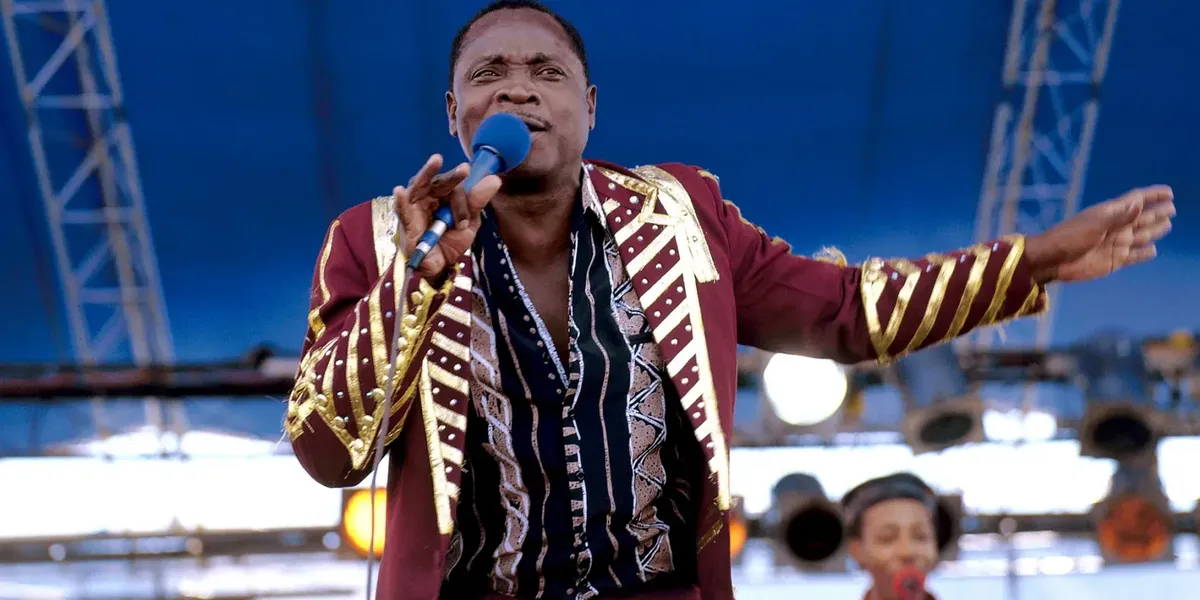
"He was an institution in the entertainment industry, well admired for his skill and finesse as a singer, songwriter and mentor," daughter writes
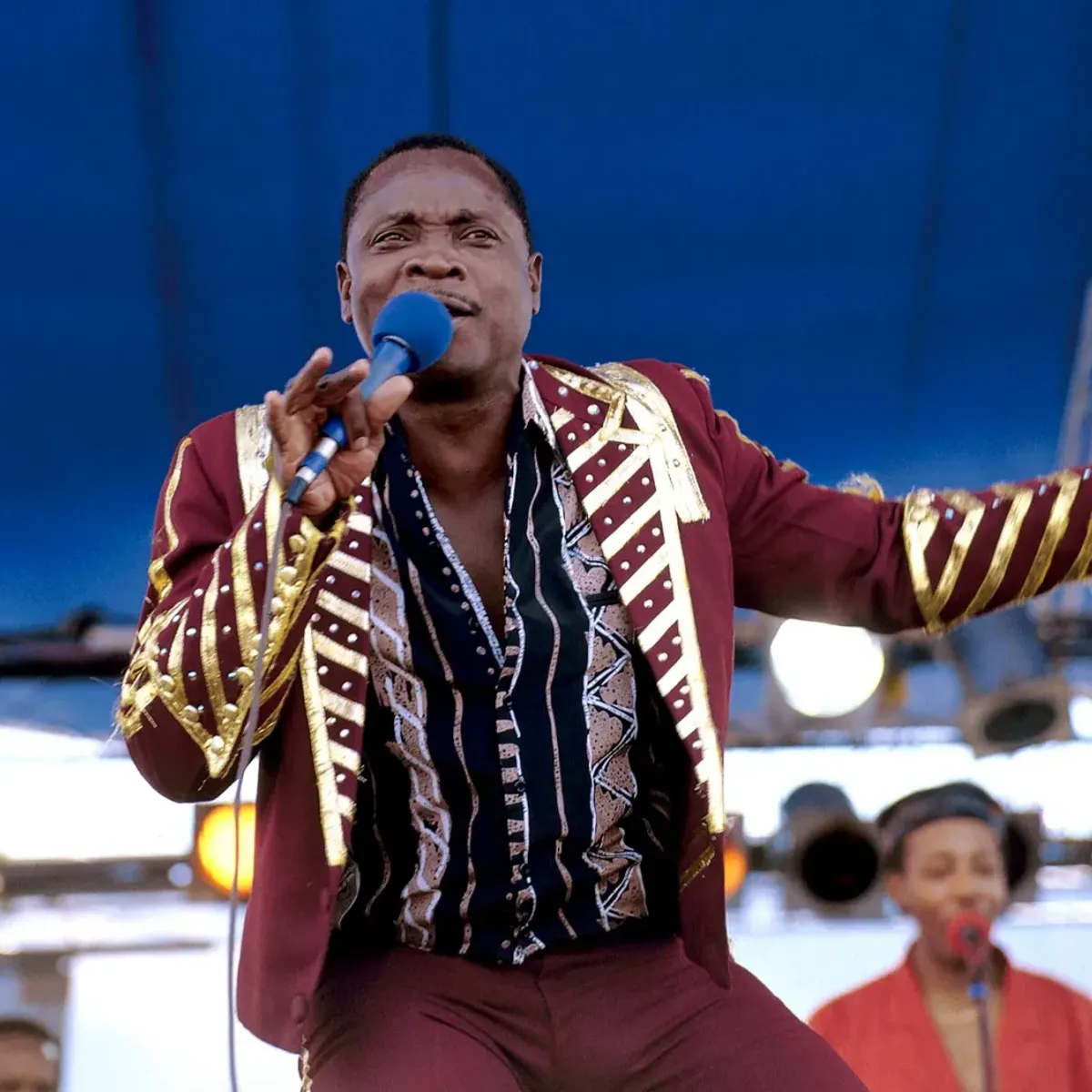
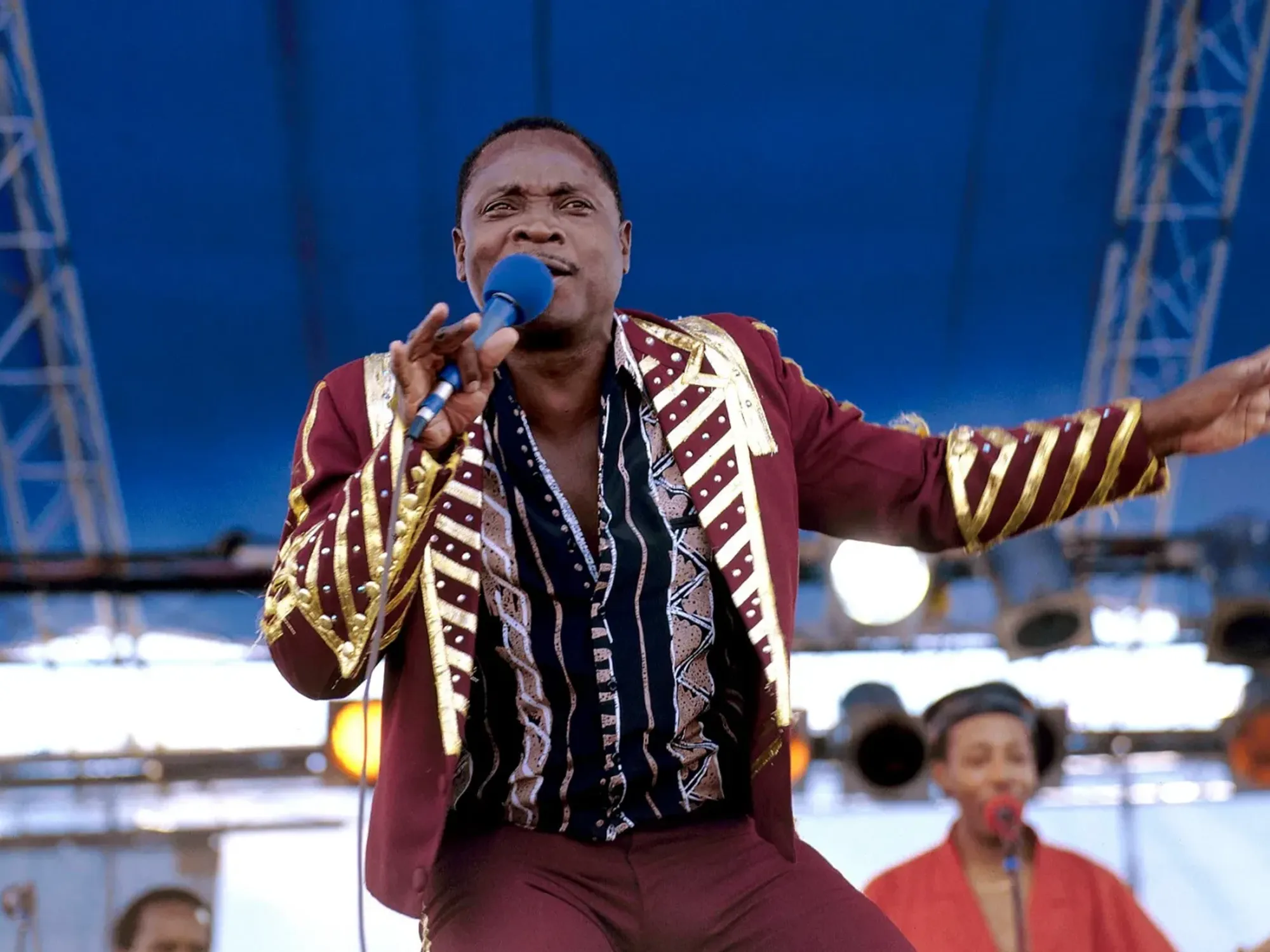
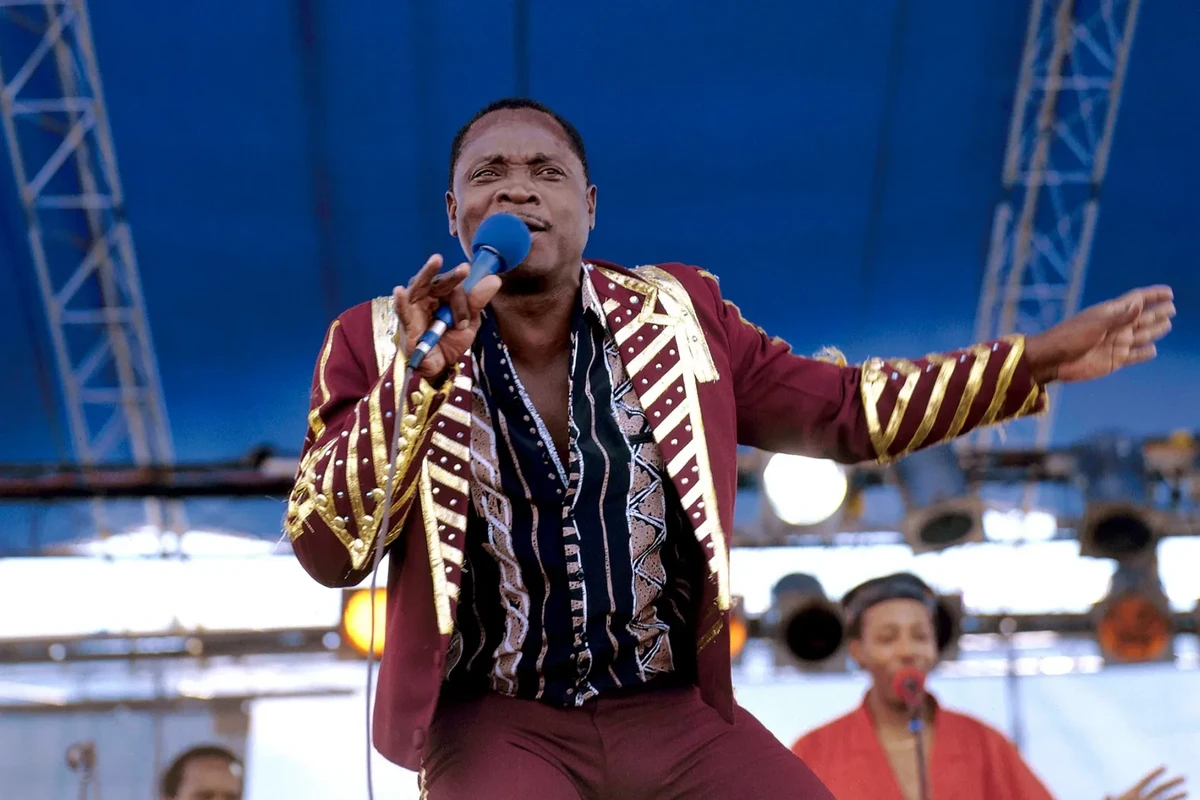
Mighty Sparrow at New Orleans Jazz Festival in 1998.
Mighty Sparrow, the undisputed king of calypso music who singlehandedly elevated one of the most intensely flavored genres of the Caribbean into an unprecedented level of artistry and global popularity, died on Sunday. He was 91.
His daughter, Karen Francisco, announced the musician’s death, adding that he died after a “brief illness.” “It is with great sadness that we announce the passing of Trinidad and Tobago’s Calypso icon, Slinger Francisco, known to the world as ‘The Mighty Sparrow,’ Francisco wrote on social media. “He was an institution in the entertainment industry, well admired for his skill and finesse as a singer, songwriter and mentor; beloved by many.”
The winner of countless Carnival Road March and Calypso Monarch competitions, he leaves behind a prodigious discography that traces the transformation of calypso from its folk roots in the Fifties to the progressive, jazz-inflected splendor of the Sixties to the funky soca of the Seventies and Eighties.
Born Slinger Francisco on July 9, 1935 in Grenada, he moved with his family to Trinidad — the birthplace of calypso — when he was one, and began performing with a steel band as a teenager. But just like other Caribbean giants such as Puerto Rico’s Ismael Rivera and the Dominican Republic’s Johnny Ventura, Sparrow’s restless creative persona transcended the limits of the dance genres that blossomed around him. The Fifties were the perfect decade for his imagination to take flight, as calypso enjoyed a brief spell of international popularity, with Harry Belafonte’s Calypso becoming the first LP to sell 1 million copies.
A formidable singer, Sparrow could switch from vociferous anthems of racial defiance to comical tales of carnal excess and tender declarations of longing. As a songwriter, he possessed a novelist’s understanding of Caribbean lore, with tales of obeah spells and sexual encounters that end up in chaos and disaster.
On “Bikini Girl” — obsessively attracted to a girl at the beach during a night party, he doesn’t realize until the end that she’s Dorothy, his own fiancée — he sounds both goofy and endearing. And even though early hits like “Big Bamboo,” “Congo Man,” and “Sell the Pussy” took calypso’s double entendre spice into new extremes, Sparrow softened the vulgar implications of the lyrics with an irresistible aura of bonhomie and charm.
Much like plena in Puerto Rico, early calypso functioned as a musical newspaper of its time; on 1960’s rollicking “Ten to One Is Murder,” Sparrow recounts being attacked late at night by a gang of knife-wielding men. But the success of both his recorded output and frequent gigs at local Trinidad hotels — captured for posterity in several live albums — inspired the singer to expand his sound.
Released in 1968, Calypso Carnival may well be the finest album of his career — a timeless Caribbean classic. Backed by the dazzling arrangements of longtime collaborator Ron Berridge and his jazz orchestra, Sparrow found the perfect vehicle for his larger-than-life storytelling. This is progressive calypso, complex, and cosmopolitan, as the tracks leap out of the speakers with the propulsion of a tropical hurricane. The sexual metaphors are downright surreal on “Jook for Jook,” while the brassy chorus of “Jane” could wake the dead with its raucous groove.
The following year, he released Sparrow Meets the Dragon, a collaboration with Jamaican bandleader Byron Lee and his group The Dragonaires. It opens with “Maria,” a calypsofied cha cha that underscores Sparrow’s willingness to experiment with other styles. The pair reunited in 1975 for the excellent Sparrow Dragon Again, with a smoldering reading of “Obeah Wedding,” one of Sparrow’s biggest hits. Overall, the Seventies signaled the singer’s apex, even recording an album for Warner Bros. with producer Van Dyke Parks: 1974’s atmospheric Hot and Sweet.
Just like his frenemy and lifelong calypso rival, Lord Kitchener, Sparrow embraced the emerging soca sound, adopting the new style’s pulsating beat, use of synths, and strong soul influence. His melodic sweetness remained intact, as demonstrated on “Soca Man,” a tune off 1984’s King of the World.
Sparrow eventually settled in New York, where he remained active in music. In 2008, he recorded “Barack the Magnificent,” in support of Barack Obama’s presidential campaign, and 2020 saw the release of Live at 85!, a 2019 concert.
SEATTLE, WASHINGTON - AUGUST 08: Musician Tinashe performs a DJ set during day two of the Capitol Hill Block Party on August 08, 2026 in Seattle, Washington. (Photo by Mat Hayward/Getty Images)
Welcome to our weekly rundown of the best new music — featuring big singles, key tracks from our favorite albums, and more. This week, Tinashe navigates the highs and lows of being a pop star, Blondshell basks in the beauty of her life, and Taylor Swift is back for the curtain call with a deluxe offering from The Life of a Showgirl. Plus, new music from Phoebe Bridgers, U2, Leon Bridges, Perfume Genius, and Nanpa Básico.
Tinashe, “Popstar” (YouTube)
Blondshell, “Lucky” (YouTube)
Taylor Swift, “Pink Clouding” (YouTube)
U2, “Silencio” (YouTube)
Phoebe Bridgers, “On Video” (YouTube)
Madonna, Charli XCX, “Danceteria Afterhours Mix” (YouTube)
Leon Bridges, “Watch You Dance” (YouTube)
Julia Jacklin, “If I Had the Hand of God” (YouTube)
Perfume Genius, “Natural High” (YouTube)
Cara Delevingne, “What Love Is Like” (YouTube)
Lennon Stella, “Comedy Show” (YouTube)
Nanpa Básico, SOG, “No Me Morí” (YouTube)
Jeff Parker feat. Chris Speed, Kaveh Rastegar, Aaron Steele, “Miles’ Mode” (YouTube)
Jae Stephens, “Expensive & Difficult” (YouTube)
Bktherula feat. Underscores, “Addicted2U” (YouTube)
Tezzus, Che, “Matches” (YouTube)
Niko Rubio, “Dream” (YouTube)
Bree Runway, “Bags of Yen” (YouTube)
Jane Remover, “Beauty Sleep” (YouTube)
Mary in the Junkyard, “Jane” (YouTube)
Karina Rykman, “Riverside Drive” (YouTube)
Ibeyi, “Moshpit” (YouTube)
Lily Konigsberg, “Free Byrd” (YouTube)
Snõõper, “Mouth Closed” (YouTube)
Worldpeace DMT, “Gabriel” (YouTube)
Boyg1rl, Surfgang, “Show Me” (YouTube)
Rainbow Body, “Strange Memory” (YouTube)
Joy Oladokun, “Easy Company” (YouTube)
Stephen Wilson Jr., “Cornerman” (YouTube)
Tegan and Sara, Felix Cartal and Lights star in the video for ''Our Year''
Canadian sister duo Tegan & Sara are back with new music. Today, the day of their birthday, the twins released “Our Year,” their first new single since 2022’s Crybaby. The single is a collaboration with fellow Canadian artist Lights and Vancouver producer Felix Cartal.
The track started as an early demo that Tegan Quin sent to Cartal, who was drawn to its combination of humour and more candid observations. “Our dream was to get Lights on the record,” Tegan says in a statement. “When she agreed to get involved, I felt immediately that we were making something special.”
A longtime fan of Tegan and Sara, Lights also has a longstanding creative relationship with Cartal.
The song itself doubles as a love letter to Vancouver and a tongue-in-cheek take on the realities of the current economy. Beneath the jokes about money and the frustrations of trying to get ahead, “Our Year” is ultimately about starting over, accepting that plans can fall apart and continuing to move forward anyway.
“We wanted to share a tongue in cheek approach to more or less bitching about the economy while still celebrating that we made it this far,” Lights says, “and that there’s always hope to keep striving for.”
The accompanying video was filmed in Vancouver and arrives alongside the single.
Tegan and Sara will also join Hilary Duff for select dates of Duff’s 2027 the lucky me tour throughout the USA.
It’s been 25 years since Britney Spears stormed the VMAs stage with a snake on her shoulder to perform “I’m a Slave 4 U,” but new Spotify data shows a majority of the track’s listeners weren’t even born when the song came out.
While millennials grew up with Spears, Spotify says the majority of recent streams for “Slave 4 U” were from Gen Z listeners — e.g. those born between 1997 to 2012. More than 55 percent of global streams in the past month came from the cohort. Perhaps more surprisingly, Spotify tells Rolling Stone that 27 percent of streams for the track were from listeners who were born in the years after Spears debuted the song on MTV.
What’s more, Spotify says there have been over 40 million “discoveries” of Spears’ catalog on the streaming platform this year, denoting people who are streaming her songs for the first time or “re-streaming” for the first time in six months or more. Sixty percent of these “discoveries” have come from Gen Z listeners.
The data shows the continued staying power of “I’m a Slave 4 U,” which was produced by the Neptunes and marked a departure from Spears’ heavily-produced teen pop sounds on previous releases. Spotify says streams of the single spike each year around this time to celebrate the song’s anniversary, and they are likely to spike again ahead of the 2026 MTV Video Music Awards this weekend.
“Slave 4 U” was the first single from Spears’ third studio album, Britney, which celebrates its 25th anniversary this October. Spears became the first female artist to have her first three studio albums debut atop the Billboard 200 chart when Britney hit number one. The album has gone on to sell more than 10 million copies worldwide.
Québec superstar Céline Dion has teamed up with French electronic duo Bon Entendeur for a new remix of “Bonjour, Pardon, Merci,” out now. The release comes on the same day Dion returns to the Plénitude Arena in Paris for another performance in her massive comeback residency.
Dion launched the 26-show Paris engagement on September 12, marking her first full concert in more than six years. The opening night drew roughly 30,000 fans and was an emotional milestone in the singer’s return to live performance. The residency currently runs through October, with additional performances scheduled for May 2027.
According to the Bon Entendeur’s representative, her team approached them toward the end of August about reworking “Bonjour, Pardon, Merci.” Once the demo was delivered, Dion’s camp quickly approved the proposal, particularly its more electronic, French Touch-inspired direction.
Bon Entendeur came to prominence in the last decade thanks to their remixes of classic French chanson. Arnaud Bonet and Pierre Della Monica have previously reworked songs associated with French artists including Françoise Hardy, Nino Ferrer, Marcel Mouloudji and Isabelle Pierre.
“Bonjour, Pardon, Merci” was released earlier this year following “Dansons,” and arrived as Dion prepared for her return to the stage.
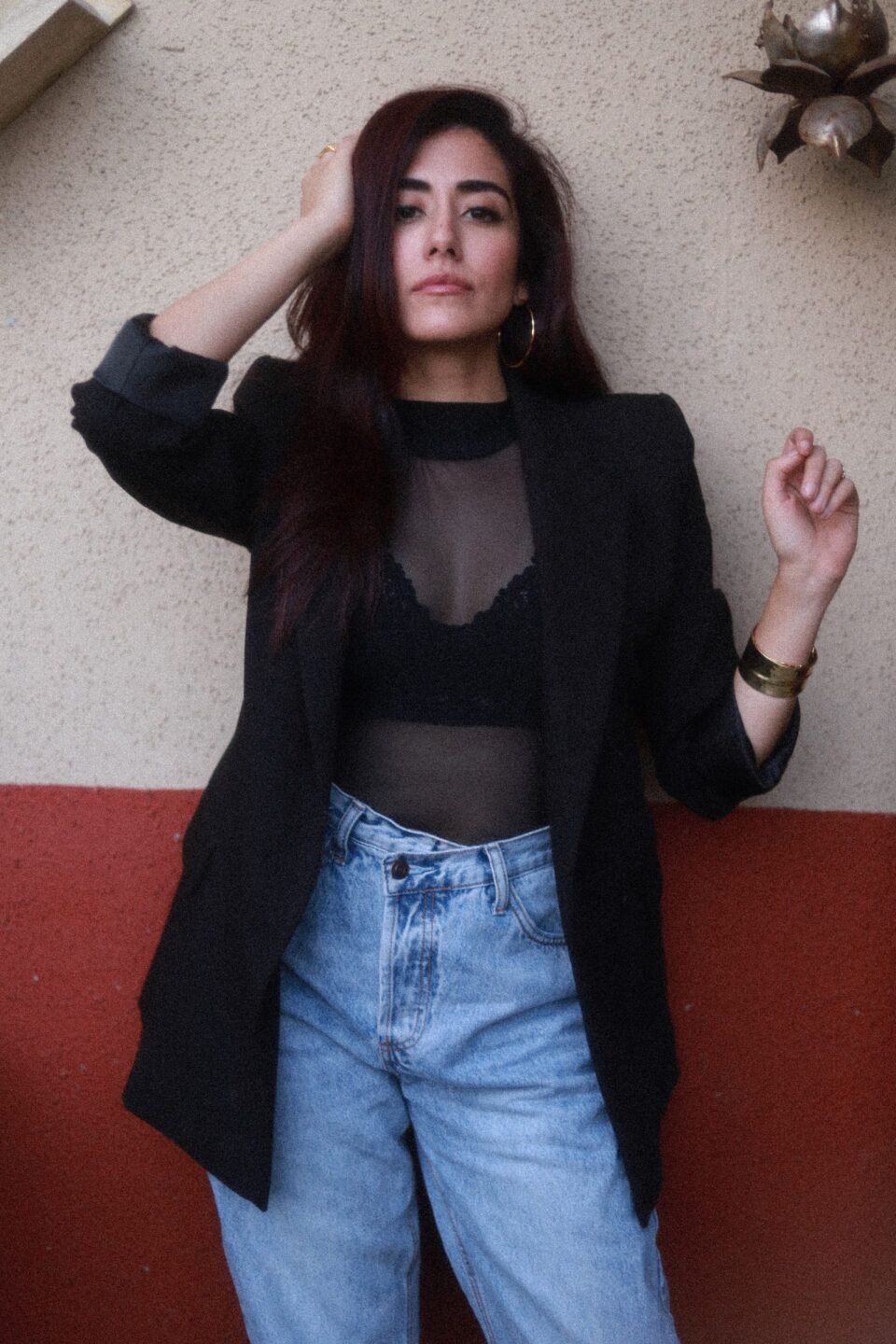
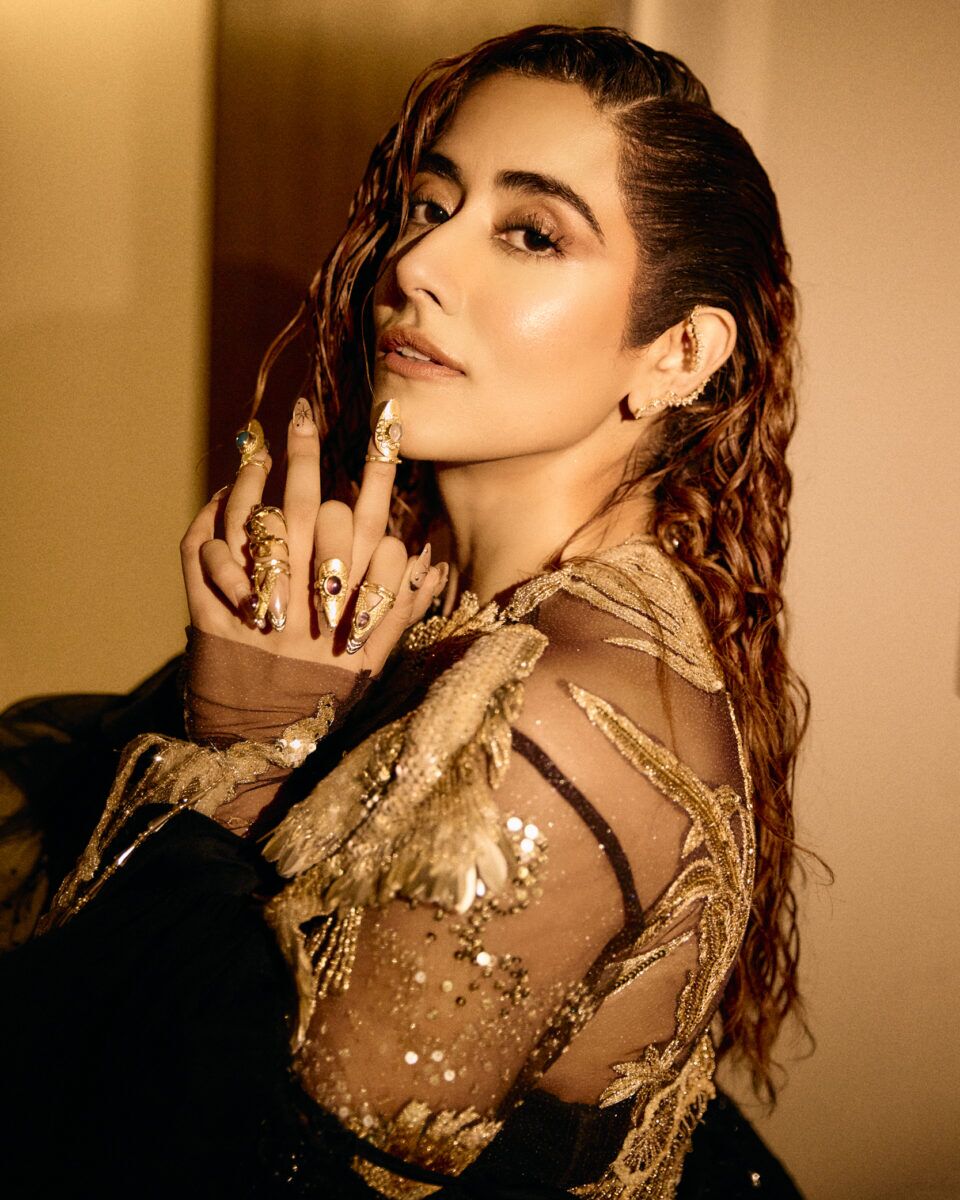
Pop artist Jonita.
India-born, Canada-raised and Mumbai-based pop artist and singer Jonita Gandhi has spent over a decade proving that language is no bar and in fact, her strength.
The Indo-Canadian singer, who’s lent her voice to hits in Hindi, Tamil, Punjabi, Telugu and beyond, recently added a new dimension with acting, making her debut as a schoolteacher in Aakash Baskaran’s romantic drama Idhayam Murali, alongside Atharvaa Murali and Fahadh Faasil.
On the music side, she’s just dropped “Broken Parts,” a tender, multilingual duet with Grammy-nominated Canadian singer-songwriter JP Saxe — a collaboration two years and one pandemic-viral moment in the making. We caught up with Jonita from Dallas — mid-tour with South Indian hitmaker Anirudh Ravichander and mid-scramble to learn an unreleased Telugu song for that night’s show — to talk about crossing over into acting, the pressure of singing in languages that aren’t her own, and why she’s not done being “unapologetically” herself just yet. Excerpts below:
Rolling Stone India: You’re in Dallas right now, and I hear you were up late learning a brand new song for tonight’s show. What’s that process usually like when it’s a language you don’t speak?
Jonita: Honestly, I feel like it’s luck at this point. Sometimes it feels so easy — it’s words I’ve sung before, I’m familiar with the pacing, so I have time to think and sing. But sometimes it’s so fast, and if you don’t already speak the language, it still feels like gibberish to a certain extent — it’s just sounds, you know what I mean? I just kind of assess it, song to song, and spend time accordingly. Some happen really fast, some take forever. I don’t think I have a really good hack, but the more I do it, it definitely gets easier. What I will say is singing in languages that are foreign is way easier than speaking or doing dialogue, because you have a melody to stick to — it programs your brain to remember how the vowels or words sound, because it’s glued to a melody. Even when someone’s trying to teach me how to say something normally, I’ll subconsciously end up putting a little melody to it. Otherwise, it’s impossible.
You’ve talked about the pressure of performing songs, sometimes not even your own, in front of massive audiences who know every word. What’s that like?
It’s a lot of work, especially on shows like this, where it’s massive audiences, big venues, and there are people there who know the song word for word. So I have to match that energy of knowing it too, even though for me it’s foreign — that’s their language. Everybody in the audience is ready to nitpick — not that they do, touch wood, so far so good — but I just don’t want to let them down. Even at A.R. Rahman concerts, when I have to sing his repertoire from the Nineties and early 2000s — songs that are ingrained in us — I’ll have to sing it in a different language, so I’m like, now I have to relearn or unlearn it the way I know it, and relearn the phonetics, the scanning, as they call it. That pressure is what motivates me to put in the extra time and effort beforehand that nobody sees.
When you get to make a song your own, through a cover, does it feel different?
Sometimes it’s very spontaneous, and it just flows out in a unique way — one of my friends, who’s actually from Dallas, calls it the “Jonita-fied” version, which is really funny. When that happens organically, great. But sometimes when I’m doing covers I remember intentionally thinking, “Okay, how do I make this my own?” On stage, though, I kind of let it happen spontaneously.
Let’s talk about your acting debut in Idhayam Murali. How did that come about?
It’s funny, because I’ve always been interested in acting, but I always felt singing was my forte — I’d had way more training in it. When I was younger, I used to do acting camps, and I always thought maybe I’d do musical theater, but that’s not really a big thing in India the way it is in the West. So I went hard on the singing, and I’m still going hard on it, but now opportunities are coming for acting, and I thought, maybe this is my chance to live out that dream, at least in small ways for now. I’ve done three acting workshops already — expensive ones, ten days, seven days — because I didn’t want to step on screen before I’d put in some work. Even though I’ve been on camera for years as a performer, acting is a very different skill, and I’m still new at it relative to how new I am at singing. If people know me to be of a certain caliber as a singer, I felt that pressure once this opportunity came my way.
Honestly, the director was more convinced than I was that I could do this. He was initially playing with the idea of casting me in a longer role, and I said no. I was nervous; I had shows, and I didn’t want to half-ass it. So that idea kind of fell away because it was too much of a commitment for where I was at. Then he came back with a much shorter part. Earlier in my career, I was mostly asked to audition for roles where singing was involved — playing a musician, or someone from the music world — but this had nothing to do with music. I play Geetha, a schoolteacher in Trichy. It’s a story within a story — most of my part is a flashback to when the hero is a child, and it’s about the first time he falls in love, which is with his teacher. That’s so relatable — it’s never going to materialize when you’re a kid in love with your teacher — and I thought it was such a sweet story, written in a way that really resonated with me.
- YouTube youtu.be
Are more acting offers coming in now? How are you thinking about them?
Right now, honestly, I’m just training. I’d love to do something meaningful — let’s see, it’s tough. It’s a whole other world when it comes to choosing acting projects versus music projects. It feels a little heavier, and it’s more of a time commitment, because when you’re shooting, you’re out for a stretch, and that’s a different calculation than deciding whether to sing a playback song or write a track.
You had “Broken Parts” with JP Saxe come out recently. How did that collaboration happen?
I first discovered him during the pandemic, when his song “If The World Was Ending” [2019] — the one that goes “you come over, you stay the night” — went crazy viral. It was everywhere, and I was obsessed. I used to do this thing called Sunday Singstagrams, little singing clips every week, and I think I did two of them for that one song because I loved it so much and resonated with the lyrics. Then I looked him up and realized what a good songwriter he is, and what a beautiful voice. From then on I kept an ear out subconsciously. His name came up again about two years back — he was performing in the Middle East, and a mutual friend from the music world was with him. I said, “If you’re with JP, tell him I love him.” He sent me this really sweet video message through his phone. We started following each other, and then he was working on his new album and sent me one or two songs, saying, ‘Let me know if I wanted to jump on any of them.’ Both were beautiful, but “Broken Parts” especially.
I resonated with it and felt it would sound so beautiful as a multilingual duet. The melody of the existing version, the way it was arranged, so acoustic — it lent itself so well to some Hindi. The second verse was completely bare, so I composed a new melody for it, brought in Shayra, a lyricist I work with, to help fill in the words, and sent it back. He loved it. The song’s been “done” — the writing, at least — for almost a year now, maybe half a year at minimum. I kept pushing to know when we’d put it out, and we finally found the right moment. I also met up with him in Toronto a couple of months ago to record a live version, which we shot and put out on YouTube as well.
You’re both from Toronto — did that shared background make the collaboration easier?
I feel like you can resonate with fellow Canadians a hundred percent. I don’t know what it is, but Canadians get on really well with other Canadians, especially when we’re both traveling a lot, which we both do. When we first met in person, I realized how easy and fun it was to be around him. It’s like, we can just WhatsApp each other and decide things. But in person, in the studio, there was a new kind of magic, because we’d done everything remotely up to that point — he’d recorded his bits, I’d recorded mine. In person, I realized there was a bridge section I wanted to extend so I could add another part, and he loved the idea — but said I had to sing it with him. So the same day we shot the live version, I taught him four lines of the Hindi bridge and made him sing it. He sounds so good — he has a real knack for languages, he does a lot of cross-collabs with Spanish artists too, so I felt like he’d be a natural, and he was.
I think it comes from growing up in Toronto, in that melting pot of cultures — we’re both used to having friends from everywhere, experiencing food from everywhere. So it’s normal for us to want to incorporate that into the music, because that’s what we grew up around.
We’re seeing a lot more of this — Indian languages crossing over globally, whether it’s Punjabi meeting English, or artists like Ed Sheeran incorporating Indian adaptations of their songs, which you’ve been part of. What’s your take on that wave?
For me, the number one priority in any of these opportunities is authenticity — you should never have to manufacture that. It’s cool that it’s happening, but the best way for it to happen is organically; you shouldn’t force it, because it sounds forced otherwise. There’s actually a song I can’t even remember the name of because it never came out — they wanted me to sing Punjabi on an otherwise English ballad, and I just felt it’s not how I think. I think in English, but I speak more fluent Hindi than Punjabi. If I’m the one co-writing, unless we start completely from scratch on the lyric, it’s not going to feel natural to me specifically — not that it would sound bad, but it wouldn’t be authentic for me. It just needs to feel authentic and not forced, and then you have something magical. On “Broken Parts,” I preferred doing Hindi because it flowed with the melody and I could contribute more, since I speak it. But the possibilities are endless — it all depends on what the song represents for you.
Where are you at right now in terms of saying yes or no to things — whether that’s film song offers or your own music?
I’m in a place right now where I’m trying to do more things led by where I want to go, versus waiting for opportunities to fall in my lap and running with those. I’m trying to be more actively involved in creating opportunities for myself, and I want to focus on the projects that genuinely excite me. I’ve been here over ten years now — how did time fly? I’ve gotten a lot of great experience, and I feel like people can tell the difference — when I’m promoting something I really love versus something I’m just putting up a customary post about. I put out a song called “Beparwai” that’s about being unapologetically yourself as a woman, not having to define yourself by being in love with a man. That’s a topic I really believe in — I’m a Punjabi girl with roots in Delhi, raised in Canada, and everything about that song felt very me. We even shot it with me doing full choreography, which I love — dancing is my favorite thing.
The way I promoted that song, I felt so happy, so unbothered about spamming people with it, because I was proud of it. That feeling was addictive, and I want to be that excited about everything I do — which doesn’t really happen when people just hand you a finished song, and you’re only there to sing it.
- YouTube youtu.be
You played Lollapalooza too — what was that experience like?
That was the most stressful, but also the most rewarding show of my life.
There’s this idea now of artists moving through “eras” — do you feel pressure to constantly reinvent, especially in this attention-deficit age?
Every time you say “era,” I think of Taylor Swift, because of her Eras Tour. But I do think it makes sense. As humans, forget artists, we go through phases. It’s normal to feel something really strongly, like in relationships — you think this is right for you, and if you break up two years later, people ask what’s wrong with you, but perspective changes. I guess an era is just a way of categorizing the phases of your life. My problem is my eras change fast. They’re very short-lived sometimes, but I do think it’s a good way to take your audience on the journey with you. After my EP Love Like That, I put out two or three back-to-back songs — “Channa,” “Noorie” — that were a softer, more feminine visual era, so I’m guilty of doing it too, I just never called it that.
I must’ve been in my “baddie era” when I put out “Beparwai,” and honestly, I still think I’m in that “baddie era.” All my new singles, other than the JP one, fit that — though the JP song was actually written before that phase started, which is the funny thing: when you write and make a song isn’t always in line with the era you release it in. You have to accept that, and that everyone has different sides coexisting at once. I can’t fully commit to just one era, especially when I’m collaborating with someone else whose schedule doesn’t follow my “baddie era” timeline. But I do like the idea of taking the audience with you through a phase, letting them in, staying consistent in it — I think it helps people understand who you are a little better.
What can we expect next from this “baddie era”?
I’m still being picky right now, but there are a few songs I’m really excited to put out. It’s hard to define what “baddie era” even is, but I mean a little more bold, and dancing is a big part of it for me — I’m hoping to put out music that makes people dance in the coming days. I’m still finalizing things, and we’ll be shooting videos very soon — lots of singles in store. But you never know with me — I might throw in a sad song too. Life’s full of sharp turns. You’ve just got to roll with them.
Images from the story

End of article