Slipknot Plan (Sic)est Stadium Tour for Summer 2027
Bring Me the Horizon will open all dates with various additional support coming from Lamb of God, Acid Bath, and others Slipknot's Corey Taylor, 2025. Fresh off the release of thei…
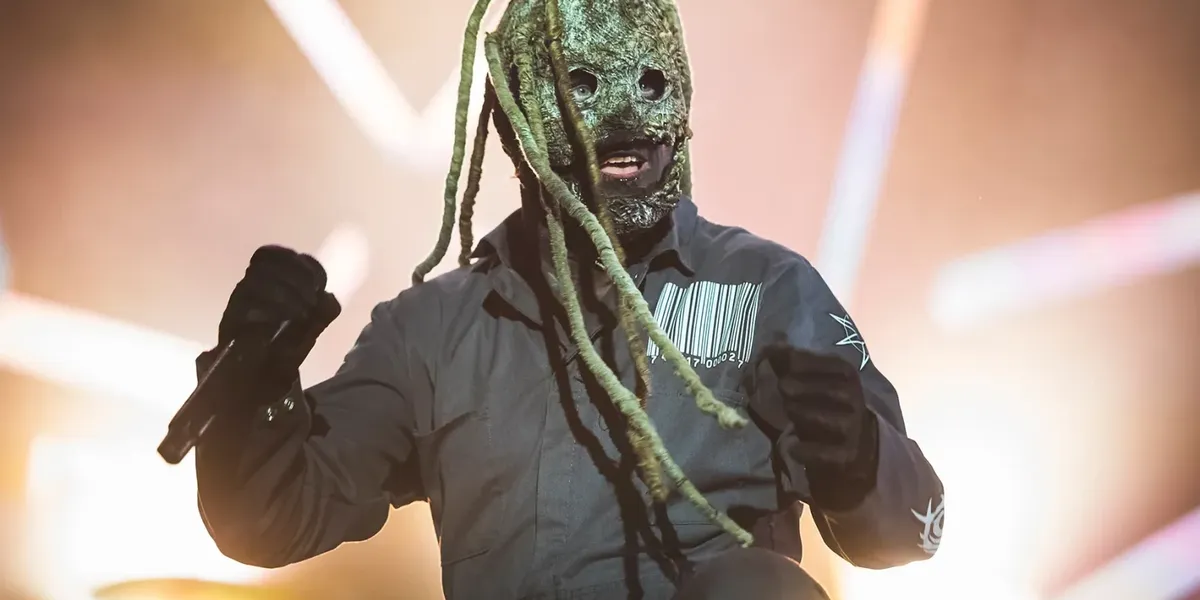
Bring Me the Horizon will open all dates with various additional support coming from Lamb of God, Acid Bath, and others
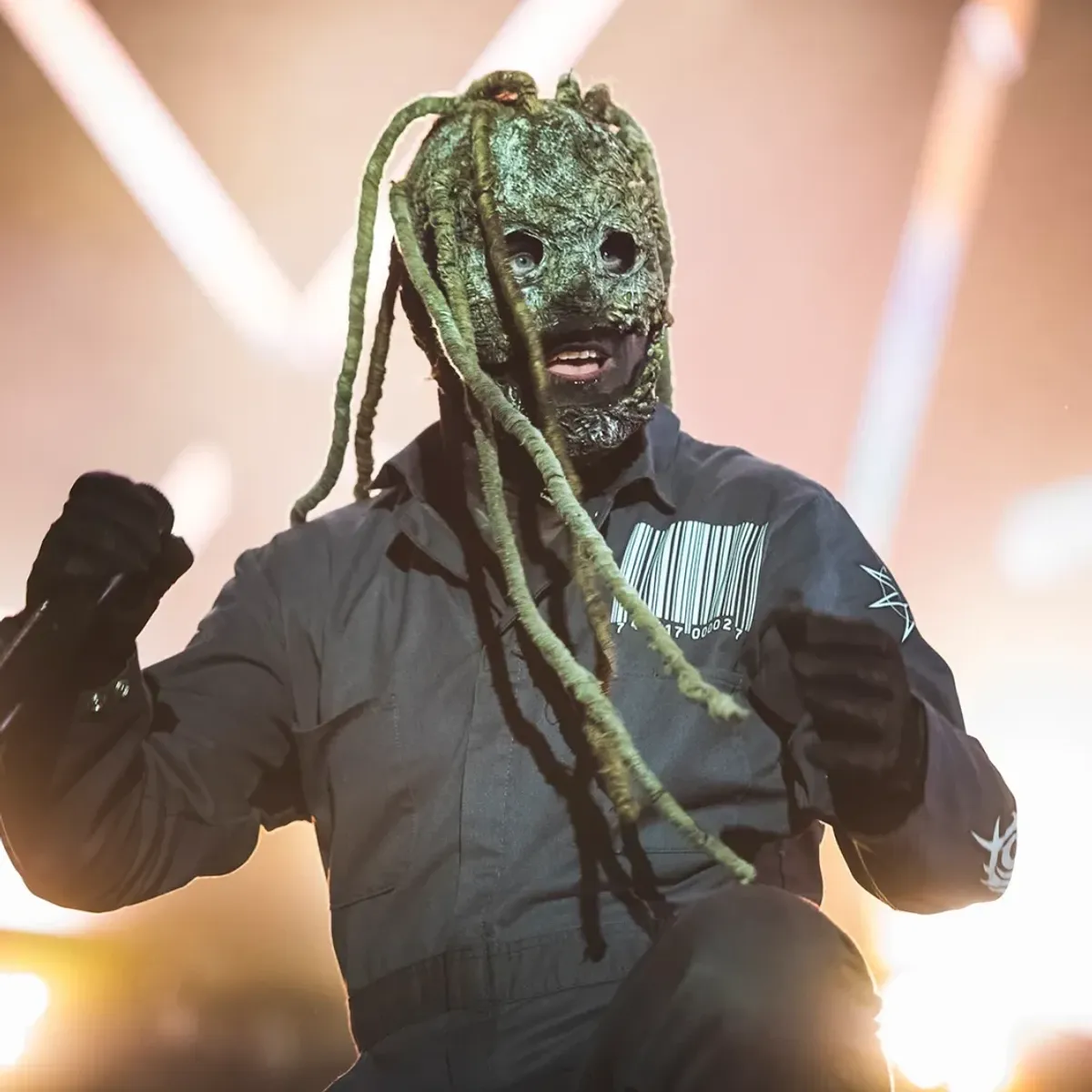
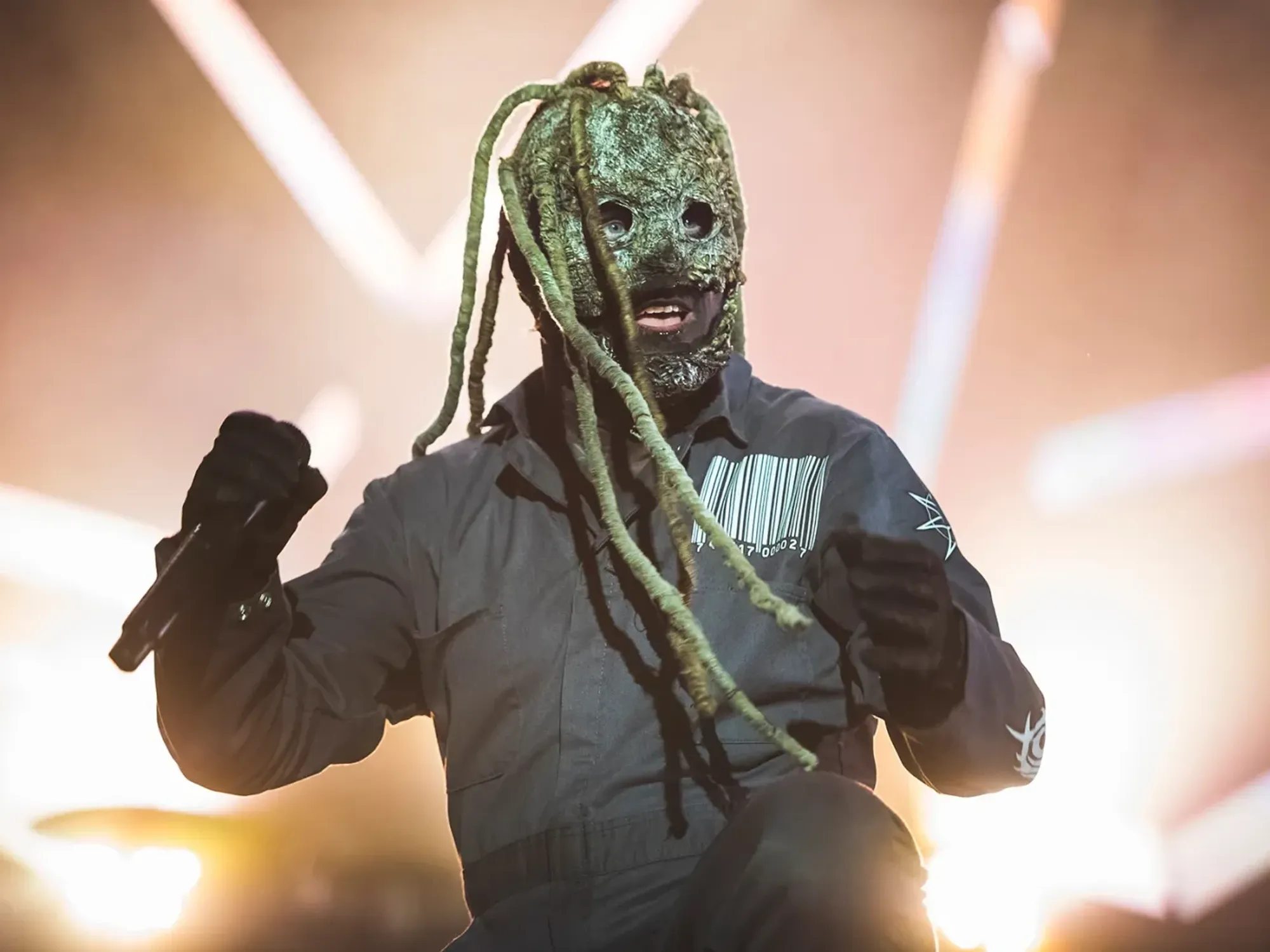
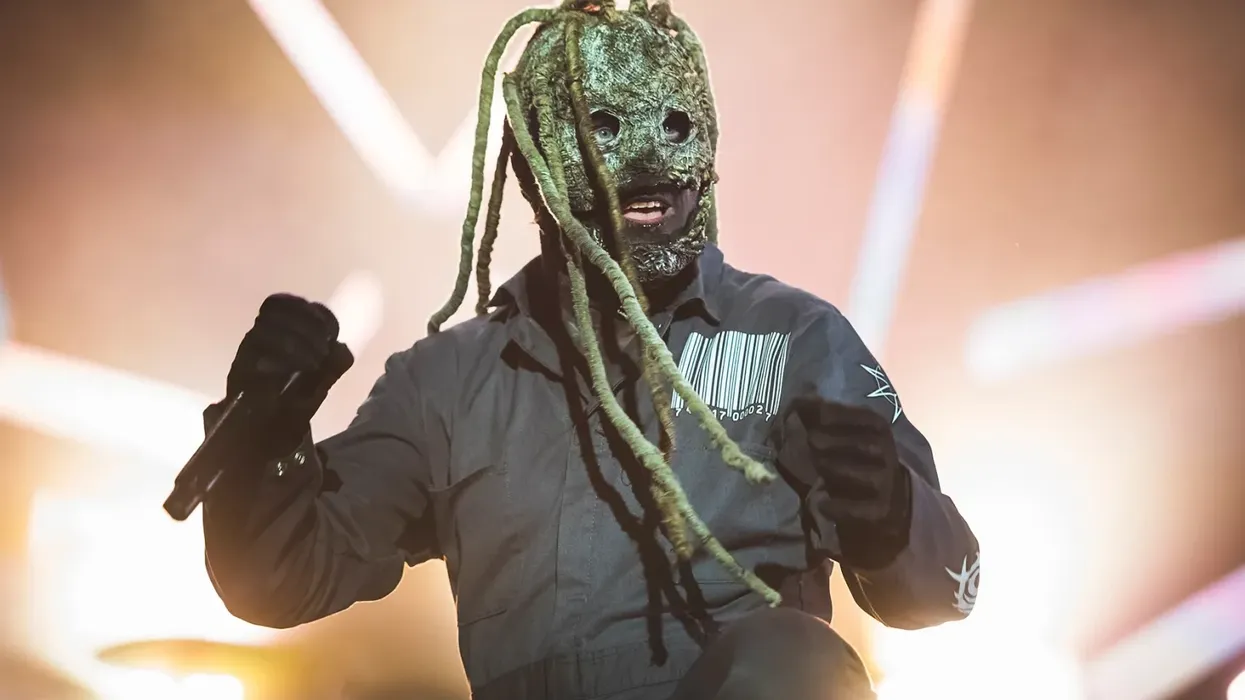
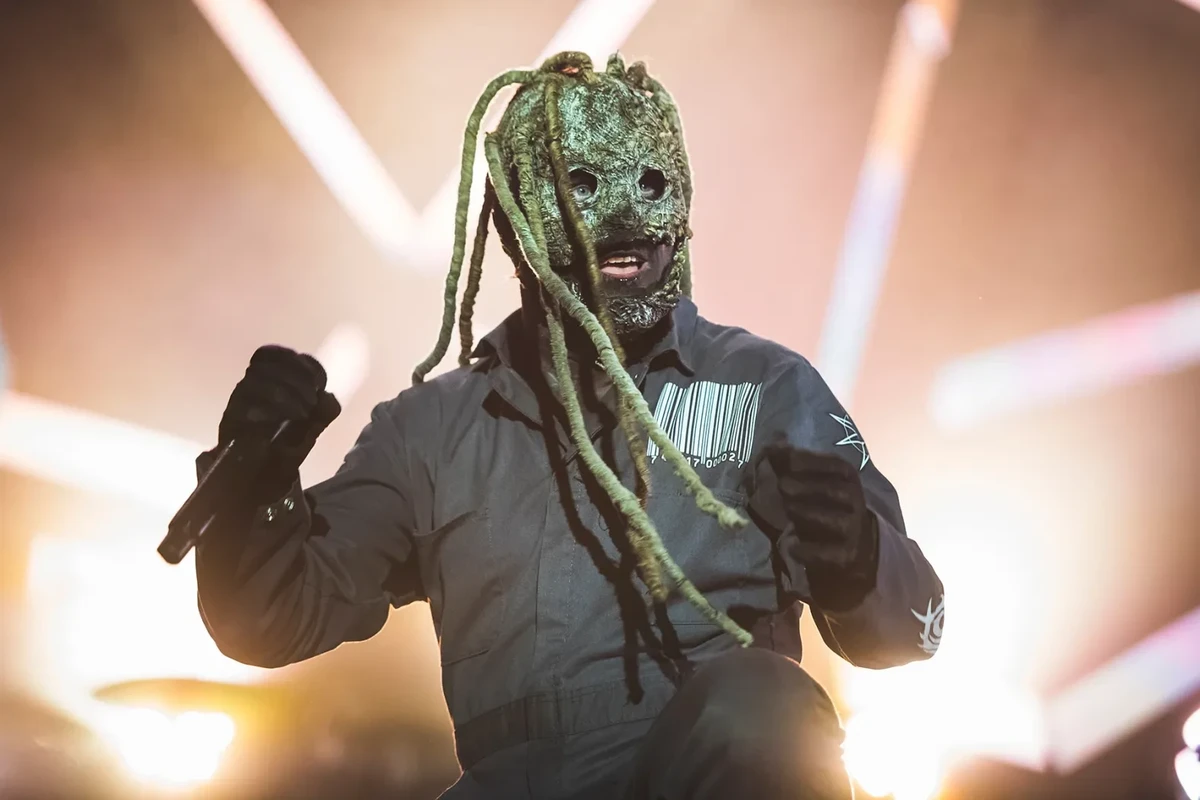
Slipknot's Corey Taylor, 2025.
Fresh off the release of their new single, “Arsenal,” Slipknot will embark on a North American run of dates they’re calling the (Sic)est Stadium Tour next summer. The title is a nod to “(sic),” the first full song on their 1999 breakthrough self-titled album.
The tour, which will feature new staging and set lists, kicks off in Washington, D.C. on July 16 and will wrap up in Phoenix on Aug. 18. Bring Me the Horizon are set to open all of the dates with various additional support coming from Lamb of God, Motionless in White, Lorna Shore, Loathe, Acid Bath, Polyphia, Kublai Khan TX, and Vended.
Tickets go on sale Friday. Presales begin at 10 a.m. local time on Tuesday. Full details are on the band’s website.
Earlier this month, the band released “Arsenal,” which found frontman Corey Taylor screaming, “I got a lot to fuckin’ say/And if you didn’t listen, you didn’t hear me anyway.” It leads to the chant, “Let’s go, let’s go, let’s go,” which may as well be their clarion call for the tour. The song marked their first recording since the departures of turntablist Sid Wilson, who parted ways with the group in August, and keyboardist-sampler Craig Jones, who left in 2023.
The band last released a new album, The End, So Far, in 2022. They didn’t announce plans to release any new music at the time of the release of “Arsenal.” But earlier this year, the band’s Clown teased that more music may be on the way in an interview with Rolling Stone, noting that he was in the middle of a writing session with Slipknot.
Slipknot North American tour dates:
July 16 – Washington, D.C. @ Nationals Park *July 18 – New York City @ Citi Field *July 21 – Montreal @ Parc Jean-Drapeau **July 23 – Toronto @ Rogers Stadium ***July 25 – Chicago @ Soldier Field ****July 28 – Hershey, Pennsylvania @ Hershey Park Stadium *****July 31 – Boston @ Fenway Park *****Aug. 3 – Nashville @ First Bank Stadium ***Aug. 6 – Houston @ Daikin Park ******Aug. 9 – Commerce City, CO @ Dick’s Sporting Goods Park *******Aug. 13 – Los Angeles @ SoFi Stadium *******Aug. 15 – San Francisco @ Golden Gate Park ********Aug. 18 – Phoenix @ Chase Field *********
* with Bring Me he Horizon and Acid Bath** with Bring Me the Horizon, Kublai Khan TX, and Vended*** with Bring Me the Horizon and Kublai Khan TX**** with Bring Me the Horizon and Lamb of God***** with Bring Me the Horizon and Lorna Shore****** with Bring Me the Horizon and Polyphia******* with Bring Me the Horizon and Loathe******** with Bring Me the Horizon, Motionless in White, and Loathe********* with Bring Me the Horizon and Motionless in White
Tegan and Sara, Felix Cartal and Lights star in the video for ''Our Year''
Canadian sister duo Tegan & Sara are back with new music. Today, the day of their birthday, the twins released “Our Year,” their first new single since 2022’s Crybaby. The single is a collaboration with fellow Canadian artist Lights and Vancouver producer Felix Cartal.
The track started as an early demo that Tegan Quin sent to Cartal, who was drawn to its combination of humour and more candid observations. “Our dream was to get Lights on the record,” Tegan says in a statement. “When she agreed to get involved, I felt immediately that we were making something special.”
A longtime fan of Tegan and Sara, Lights also has a longstanding creative relationship with Cartal.
The song itself doubles as a love letter to Vancouver and a tongue-in-cheek take on the realities of the current economy. Beneath the jokes about money and the frustrations of trying to get ahead, “Our Year” is ultimately about starting over, accepting that plans can fall apart and continuing to move forward anyway.
“We wanted to share a tongue in cheek approach to more or less bitching about the economy while still celebrating that we made it this far,” Lights says, “and that there’s always hope to keep striving for.”
The accompanying video was filmed in Vancouver and arrives alongside the single.
Tegan and Sara will also join Hilary Duff for select dates of Duff’s 2027 the lucky me tour throughout the USA.
It’s been 25 years since Britney Spears stormed the VMAs stage with a snake on her shoulder to perform “I’m a Slave 4 U,” but new Spotify data shows a majority of the track’s listeners weren’t even born when the song came out.
While millennials grew up with Spears, Spotify says the majority of recent streams for “Slave 4 U” were from Gen Z listeners — e.g. those born between 1997 to 2012. More than 55 percent of global streams in the past month came from the cohort. Perhaps more surprisingly, Spotify tells Rolling Stone that 27 percent of streams for the track were from listeners who were born in the years after Spears debuted the song on MTV.
What’s more, Spotify says there have been over 40 million “discoveries” of Spears’ catalog on the streaming platform this year, denoting people who are streaming her songs for the first time or “re-streaming” for the first time in six months or more. Sixty percent of these “discoveries” have come from Gen Z listeners.
The data shows the continued staying power of “I’m a Slave 4 U,” which was produced by the Neptunes and marked a departure from Spears’ heavily-produced teen pop sounds on previous releases. Spotify says streams of the single spike each year around this time to celebrate the song’s anniversary, and they are likely to spike again ahead of the 2026 MTV Video Music Awards this weekend.
“Slave 4 U” was the first single from Spears’ third studio album, Britney, which celebrates its 25th anniversary this October. Spears became the first female artist to have her first three studio albums debut atop the Billboard 200 chart when Britney hit number one. The album has gone on to sell more than 10 million copies worldwide.
Québec superstar Céline Dion has teamed up with French electronic duo Bon Entendeur for a new remix of “Bonjour, Pardon, Merci,” out now. The release comes on the same day Dion returns to the Plénitude Arena in Paris for another performance in her massive comeback residency.
Dion launched the 26-show Paris engagement on September 12, marking her first full concert in more than six years. The opening night drew roughly 30,000 fans and was an emotional milestone in the singer’s return to live performance. The residency currently runs through October, with additional performances scheduled for May 2027.
According to the Bon Entendeur’s representative, her team approached them toward the end of August about reworking “Bonjour, Pardon, Merci.” Once the demo was delivered, Dion’s camp quickly approved the proposal, particularly its more electronic, French Touch-inspired direction.
Bon Entendeur came to prominence in the last decade thanks to their remixes of classic French chanson. Arnaud Bonet and Pierre Della Monica have previously reworked songs associated with French artists including Françoise Hardy, Nino Ferrer, Marcel Mouloudji and Isabelle Pierre.
“Bonjour, Pardon, Merci” was released earlier this year following “Dansons,” and arrived as Dion prepared for her return to the stage.
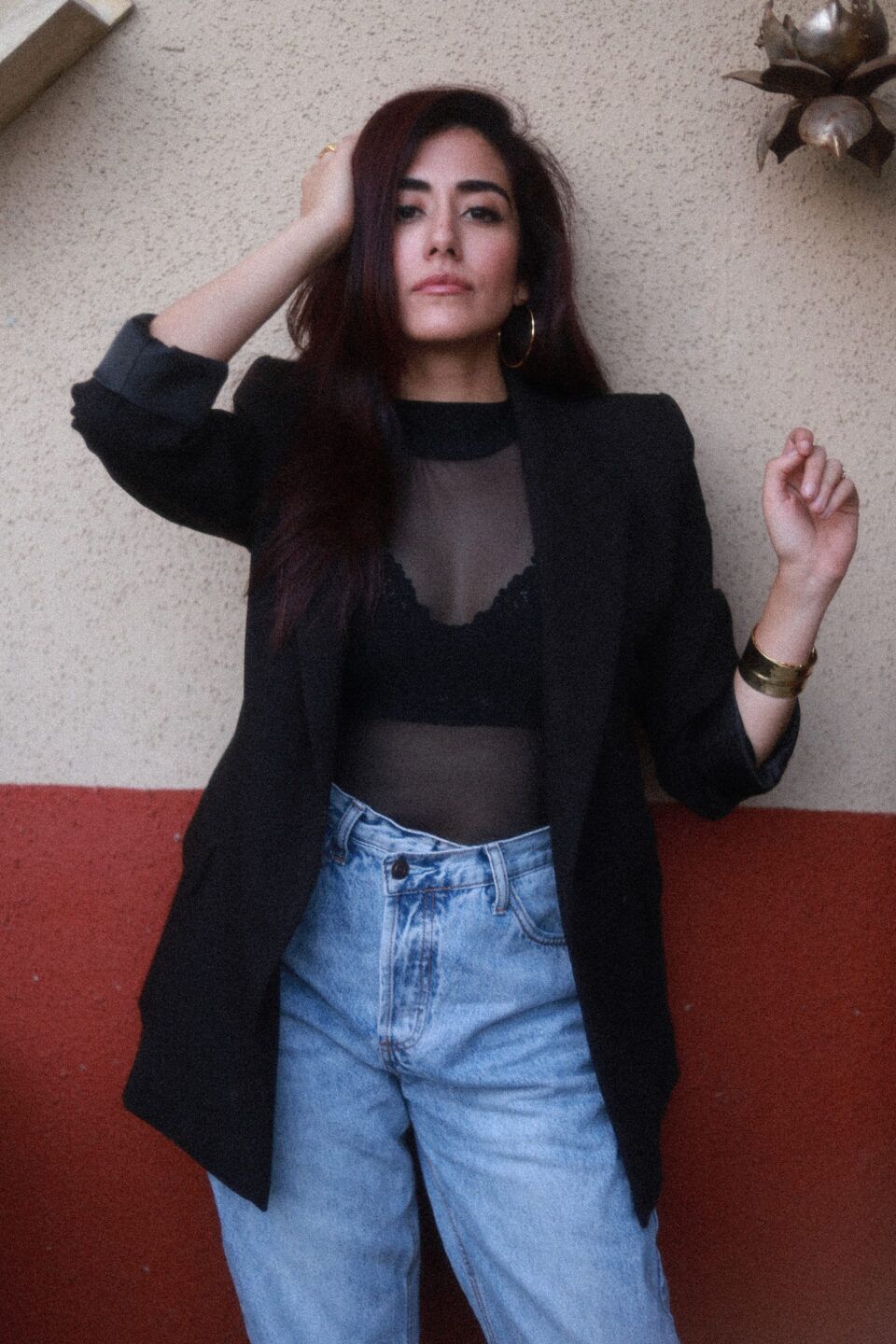
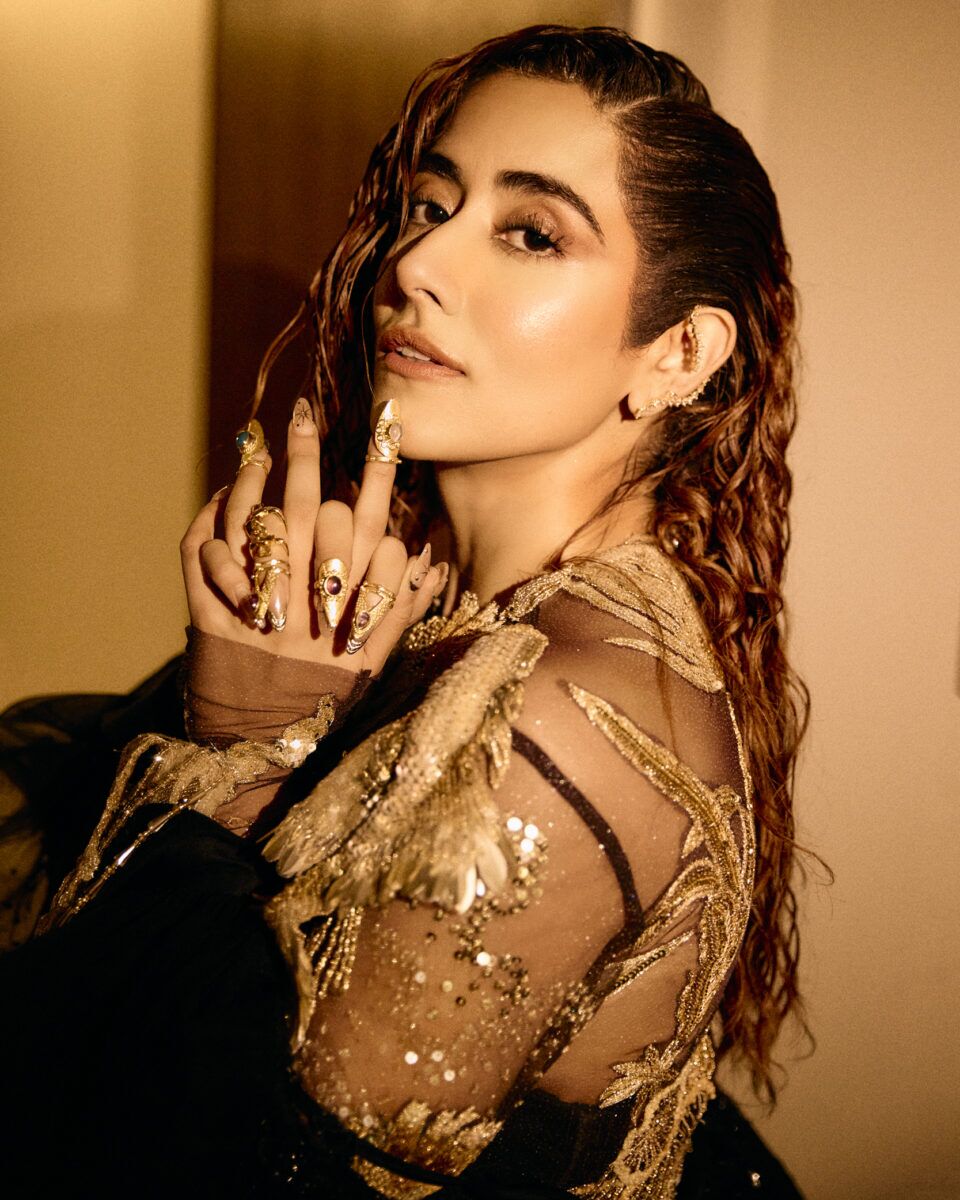
Pop artist Jonita.
India-born, Canada-raised and Mumbai-based pop artist and singer Jonita Gandhi has spent over a decade proving that language is no bar and in fact, her strength.
The Indo-Canadian singer, who’s lent her voice to hits in Hindi, Tamil, Punjabi, Telugu and beyond, recently added a new dimension with acting, making her debut as a schoolteacher in Aakash Baskaran’s romantic drama Idhayam Murali, alongside Atharvaa Murali and Fahadh Faasil.
On the music side, she’s just dropped “Broken Parts,” a tender, multilingual duet with Grammy-nominated Canadian singer-songwriter JP Saxe — a collaboration two years and one pandemic-viral moment in the making. We caught up with Jonita from Dallas — mid-tour with South Indian hitmaker Anirudh Ravichander and mid-scramble to learn an unreleased Telugu song for that night’s show — to talk about crossing over into acting, the pressure of singing in languages that aren’t her own, and why she’s not done being “unapologetically” herself just yet. Excerpts below:
Rolling Stone India: You’re in Dallas right now, and I hear you were up late learning a brand new song for tonight’s show. What’s that process usually like when it’s a language you don’t speak?
Jonita: Honestly, I feel like it’s luck at this point. Sometimes it feels so easy — it’s words I’ve sung before, I’m familiar with the pacing, so I have time to think and sing. But sometimes it’s so fast, and if you don’t already speak the language, it still feels like gibberish to a certain extent — it’s just sounds, you know what I mean? I just kind of assess it, song to song, and spend time accordingly. Some happen really fast, some take forever. I don’t think I have a really good hack, but the more I do it, it definitely gets easier. What I will say is singing in languages that are foreign is way easier than speaking or doing dialogue, because you have a melody to stick to — it programs your brain to remember how the vowels or words sound, because it’s glued to a melody. Even when someone’s trying to teach me how to say something normally, I’ll subconsciously end up putting a little melody to it. Otherwise, it’s impossible.
You’ve talked about the pressure of performing songs, sometimes not even your own, in front of massive audiences who know every word. What’s that like?
It’s a lot of work, especially on shows like this, where it’s massive audiences, big venues, and there are people there who know the song word for word. So I have to match that energy of knowing it too, even though for me it’s foreign — that’s their language. Everybody in the audience is ready to nitpick — not that they do, touch wood, so far so good — but I just don’t want to let them down. Even at A.R. Rahman concerts, when I have to sing his repertoire from the Nineties and early 2000s — songs that are ingrained in us — I’ll have to sing it in a different language, so I’m like, now I have to relearn or unlearn it the way I know it, and relearn the phonetics, the scanning, as they call it. That pressure is what motivates me to put in the extra time and effort beforehand that nobody sees.
When you get to make a song your own, through a cover, does it feel different?
Sometimes it’s very spontaneous, and it just flows out in a unique way — one of my friends, who’s actually from Dallas, calls it the “Jonita-fied” version, which is really funny. When that happens organically, great. But sometimes when I’m doing covers I remember intentionally thinking, “Okay, how do I make this my own?” On stage, though, I kind of let it happen spontaneously.
Let’s talk about your acting debut in Idhayam Murali. How did that come about?
It’s funny, because I’ve always been interested in acting, but I always felt singing was my forte — I’d had way more training in it. When I was younger, I used to do acting camps, and I always thought maybe I’d do musical theater, but that’s not really a big thing in India the way it is in the West. So I went hard on the singing, and I’m still going hard on it, but now opportunities are coming for acting, and I thought, maybe this is my chance to live out that dream, at least in small ways for now. I’ve done three acting workshops already — expensive ones, ten days, seven days — because I didn’t want to step on screen before I’d put in some work. Even though I’ve been on camera for years as a performer, acting is a very different skill, and I’m still new at it relative to how new I am at singing. If people know me to be of a certain caliber as a singer, I felt that pressure once this opportunity came my way.
Honestly, the director was more convinced than I was that I could do this. He was initially playing with the idea of casting me in a longer role, and I said no. I was nervous; I had shows, and I didn’t want to half-ass it. So that idea kind of fell away because it was too much of a commitment for where I was at. Then he came back with a much shorter part. Earlier in my career, I was mostly asked to audition for roles where singing was involved — playing a musician, or someone from the music world — but this had nothing to do with music. I play Geetha, a schoolteacher in Trichy. It’s a story within a story — most of my part is a flashback to when the hero is a child, and it’s about the first time he falls in love, which is with his teacher. That’s so relatable — it’s never going to materialize when you’re a kid in love with your teacher — and I thought it was such a sweet story, written in a way that really resonated with me.
- YouTube youtu.be
Are more acting offers coming in now? How are you thinking about them?
Right now, honestly, I’m just training. I’d love to do something meaningful — let’s see, it’s tough. It’s a whole other world when it comes to choosing acting projects versus music projects. It feels a little heavier, and it’s more of a time commitment, because when you’re shooting, you’re out for a stretch, and that’s a different calculation than deciding whether to sing a playback song or write a track.
You had “Broken Parts” with JP Saxe come out recently. How did that collaboration happen?
I first discovered him during the pandemic, when his song “If The World Was Ending” [2019] — the one that goes “you come over, you stay the night” — went crazy viral. It was everywhere, and I was obsessed. I used to do this thing called Sunday Singstagrams, little singing clips every week, and I think I did two of them for that one song because I loved it so much and resonated with the lyrics. Then I looked him up and realized what a good songwriter he is, and what a beautiful voice. From then on I kept an ear out subconsciously. His name came up again about two years back — he was performing in the Middle East, and a mutual friend from the music world was with him. I said, “If you’re with JP, tell him I love him.” He sent me this really sweet video message through his phone. We started following each other, and then he was working on his new album and sent me one or two songs, saying, ‘Let me know if I wanted to jump on any of them.’ Both were beautiful, but “Broken Parts” especially.
I resonated with it and felt it would sound so beautiful as a multilingual duet. The melody of the existing version, the way it was arranged, so acoustic — it lent itself so well to some Hindi. The second verse was completely bare, so I composed a new melody for it, brought in Shayra, a lyricist I work with, to help fill in the words, and sent it back. He loved it. The song’s been “done” — the writing, at least — for almost a year now, maybe half a year at minimum. I kept pushing to know when we’d put it out, and we finally found the right moment. I also met up with him in Toronto a couple of months ago to record a live version, which we shot and put out on YouTube as well.
You’re both from Toronto — did that shared background make the collaboration easier?
I feel like you can resonate with fellow Canadians a hundred percent. I don’t know what it is, but Canadians get on really well with other Canadians, especially when we’re both traveling a lot, which we both do. When we first met in person, I realized how easy and fun it was to be around him. It’s like, we can just WhatsApp each other and decide things. But in person, in the studio, there was a new kind of magic, because we’d done everything remotely up to that point — he’d recorded his bits, I’d recorded mine. In person, I realized there was a bridge section I wanted to extend so I could add another part, and he loved the idea — but said I had to sing it with him. So the same day we shot the live version, I taught him four lines of the Hindi bridge and made him sing it. He sounds so good — he has a real knack for languages, he does a lot of cross-collabs with Spanish artists too, so I felt like he’d be a natural, and he was.
I think it comes from growing up in Toronto, in that melting pot of cultures — we’re both used to having friends from everywhere, experiencing food from everywhere. So it’s normal for us to want to incorporate that into the music, because that’s what we grew up around.
We’re seeing a lot more of this — Indian languages crossing over globally, whether it’s Punjabi meeting English, or artists like Ed Sheeran incorporating Indian adaptations of their songs, which you’ve been part of. What’s your take on that wave?
For me, the number one priority in any of these opportunities is authenticity — you should never have to manufacture that. It’s cool that it’s happening, but the best way for it to happen is organically; you shouldn’t force it, because it sounds forced otherwise. There’s actually a song I can’t even remember the name of because it never came out — they wanted me to sing Punjabi on an otherwise English ballad, and I just felt it’s not how I think. I think in English, but I speak more fluent Hindi than Punjabi. If I’m the one co-writing, unless we start completely from scratch on the lyric, it’s not going to feel natural to me specifically — not that it would sound bad, but it wouldn’t be authentic for me. It just needs to feel authentic and not forced, and then you have something magical. On “Broken Parts,” I preferred doing Hindi because it flowed with the melody and I could contribute more, since I speak it. But the possibilities are endless — it all depends on what the song represents for you.
Where are you at right now in terms of saying yes or no to things — whether that’s film song offers or your own music?
I’m in a place right now where I’m trying to do more things led by where I want to go, versus waiting for opportunities to fall in my lap and running with those. I’m trying to be more actively involved in creating opportunities for myself, and I want to focus on the projects that genuinely excite me. I’ve been here over ten years now — how did time fly? I’ve gotten a lot of great experience, and I feel like people can tell the difference — when I’m promoting something I really love versus something I’m just putting up a customary post about. I put out a song called “Beparwai” that’s about being unapologetically yourself as a woman, not having to define yourself by being in love with a man. That’s a topic I really believe in — I’m a Punjabi girl with roots in Delhi, raised in Canada, and everything about that song felt very me. We even shot it with me doing full choreography, which I love — dancing is my favorite thing.
The way I promoted that song, I felt so happy, so unbothered about spamming people with it, because I was proud of it. That feeling was addictive, and I want to be that excited about everything I do — which doesn’t really happen when people just hand you a finished song, and you’re only there to sing it.
- YouTube youtu.be
You played Lollapalooza too — what was that experience like?
That was the most stressful, but also the most rewarding show of my life.
There’s this idea now of artists moving through “eras” — do you feel pressure to constantly reinvent, especially in this attention-deficit age?
Every time you say “era,” I think of Taylor Swift, because of her Eras Tour. But I do think it makes sense. As humans, forget artists, we go through phases. It’s normal to feel something really strongly, like in relationships — you think this is right for you, and if you break up two years later, people ask what’s wrong with you, but perspective changes. I guess an era is just a way of categorizing the phases of your life. My problem is my eras change fast. They’re very short-lived sometimes, but I do think it’s a good way to take your audience on the journey with you. After my EP Love Like That, I put out two or three back-to-back songs — “Channa,” “Noorie” — that were a softer, more feminine visual era, so I’m guilty of doing it too, I just never called it that.
I must’ve been in my “baddie era” when I put out “Beparwai,” and honestly, I still think I’m in that “baddie era.” All my new singles, other than the JP one, fit that — though the JP song was actually written before that phase started, which is the funny thing: when you write and make a song isn’t always in line with the era you release it in. You have to accept that, and that everyone has different sides coexisting at once. I can’t fully commit to just one era, especially when I’m collaborating with someone else whose schedule doesn’t follow my “baddie era” timeline. But I do like the idea of taking the audience with you through a phase, letting them in, staying consistent in it — I think it helps people understand who you are a little better.
What can we expect next from this “baddie era”?
I’m still being picky right now, but there are a few songs I’m really excited to put out. It’s hard to define what “baddie era” even is, but I mean a little more bold, and dancing is a big part of it for me — I’m hoping to put out music that makes people dance in the coming days. I’m still finalizing things, and we’ll be shooting videos very soon — lots of singles in store. But you never know with me — I might throw in a sad song too. Life’s full of sharp turns. You’ve just got to roll with them.
Madonna and Charli XCX released "Danceteria Afterhours."
Madonna and Charli XCX guide us through nightclub lore on their collaborative new single, a reworked rendition of the acclaimed Confessions II track “Danceteria.”
Produced by Madonna, Andrew Watt, Cirkut, and Stuart Price, “Danceteria Afterhours” delves into Madonna’s nights in New York City at the legendary club Danceteria, which opened its doors in midtown Manhattan before settling at its 21st Street location in 1982. (Madonna is said to have handed DJ Mark Kamin her “Everybody” demo at Danceteria, who played the single for the first time to a packed crowd; the club is also where she gave her first live performance.)
Alongside Madonna’s verses name-dropping her fellow clubmates like Fab 5 Freddy, Basquiat, Rock Steady Crew, and more are Charli’s own club recollections. In “Danceteria Afterhours,” Charli looks back at being “sweet 15 in a weird outfit” and performing in London before fast-forwarding to hanging out with with A.G. Cook and Sophie in Los Angeles, where she finds “different DJs, flavored cocaine.”
The result is a collaboration that spans nearly 50 decades — with each verse simultaneously nostalgic and timeless.
Madonna is slated to take centerstage for her first performance at the MTV Video Music Awards in 23 years on Sunday, Sept. 27. The icon leads the night with 11 nominations, thanks largely to the short film she crafted for Confessions II — the film is up for Video of the Year, as well as a swath of other categories including Best Direction, Cinematography, and Choreography.
Images from the story

End of article