bbc Press
Oil price spiral may be slowed but not stopped by G7 emergency move
Images
1 / 8

2 / 8
3 / 8
4 / 8

5 / 8

6 / 8

7 / 8

8 / 8
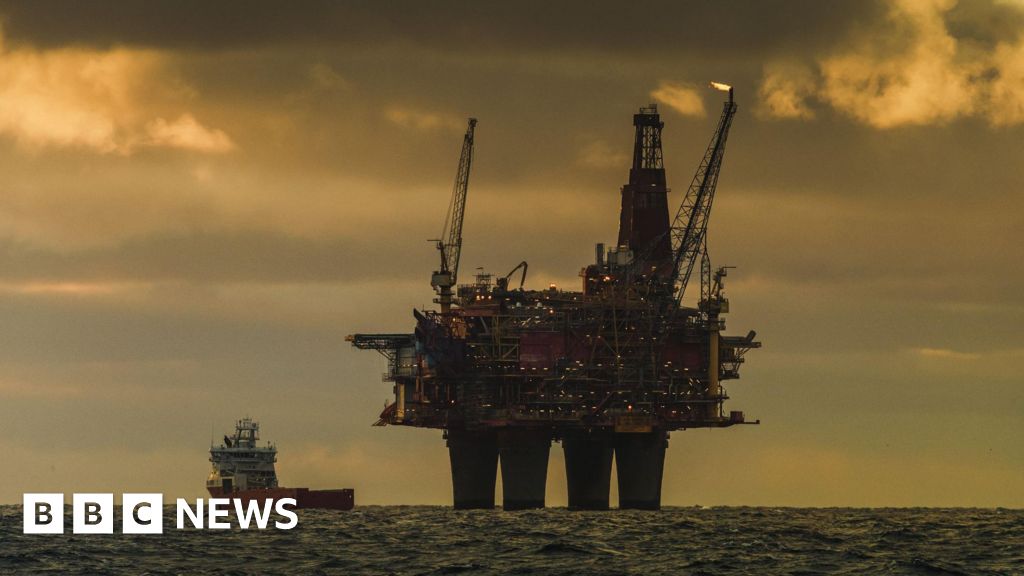
As the oil price spiralled to $115 (£86) a barrel at one point early this morning, word emerged of an emergency meeting of the G7 finance ministers.

Reports suggested there could be a 300 million barrel release of emergency stockpiles co-ordinated by the International Energy Agency.

The speculation alone was enough to temper the rise in prices a bit, but they remain much higher than Friday's close, and way above the pre-conflict levels.

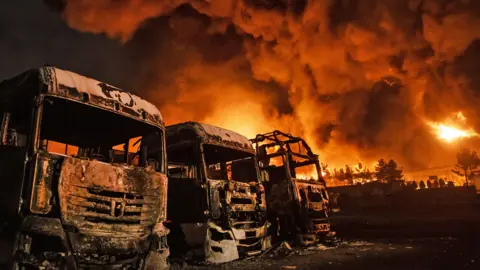
This can be of little surprise of course when millions of barrels of crude oil are shut in to the Gulf, and most Gulf countries are now reporting a slowing of their production at best, and at worst force majeure shutdowns - a clause freeing them from liability for failure to supply due to events outside their control.

Three hundred million barrels is a massive number. It would be more than double the record previous intervention made in April 2022 after Russia's invasion of Ukraine. These reserves have only been tapped five times. This if agreed, would represent a quarter of stockpiles.

However, this also has the potential to be the biggest oil shock in history. Three hundred million barrels is effectively less than three days of global oil consumption (104 million barrels a day), about a fortnight of normal Straits of Hormuz traffic.

The other problem is that the G7 finance ministers may not all agree.

Will all ministers want naval escorts through the Strait of Hormuz? Does a new system of insurance solve the problems when drones and missiles are whizzing in the skies above the tankers, and occasionally targeting them?

Meanwhile, the US has been pushing the idea of Russia as a partial solution, through the use of waivers against sanctions for Putin's war against Ukraine.

Releasing 300 million barrels of oil will not address all issues. As powerful as the G7 is, China, India, and South Korea remain the key customers for physical supply of Gulf oil and gas. As such, gas tankers from the US that had been bound for Europe are now doing Atlantic U-turns and heading for the Panama canal to deliver to Asia instead.

And what about jet fuels and fertiliser precursors also shut in to the Gulf? That matter also won't be solved by this release.

It is a big intervention being discussed. And it might temper the rise to $150 a barrel, but few in the markets are willing to take a bet on declines in energy prices in these circumstances.

Chancellor Rachel Reeves will join talks amid reports that oil reserves could be released to lower prices.

North Yorkshire residents using oil tanks to fuel their homes say bills are soaring.

For every $10 rise in oil prices, motorists face paying roughly 7p per litre more in the UK.

Some residents say they have seen prices more than double since the conflict started.

Garden oil tank customers say 500 litres costs more than £600, and some are struggling to afford it.
Comments
You must be logged in to comment.