yahoo Press
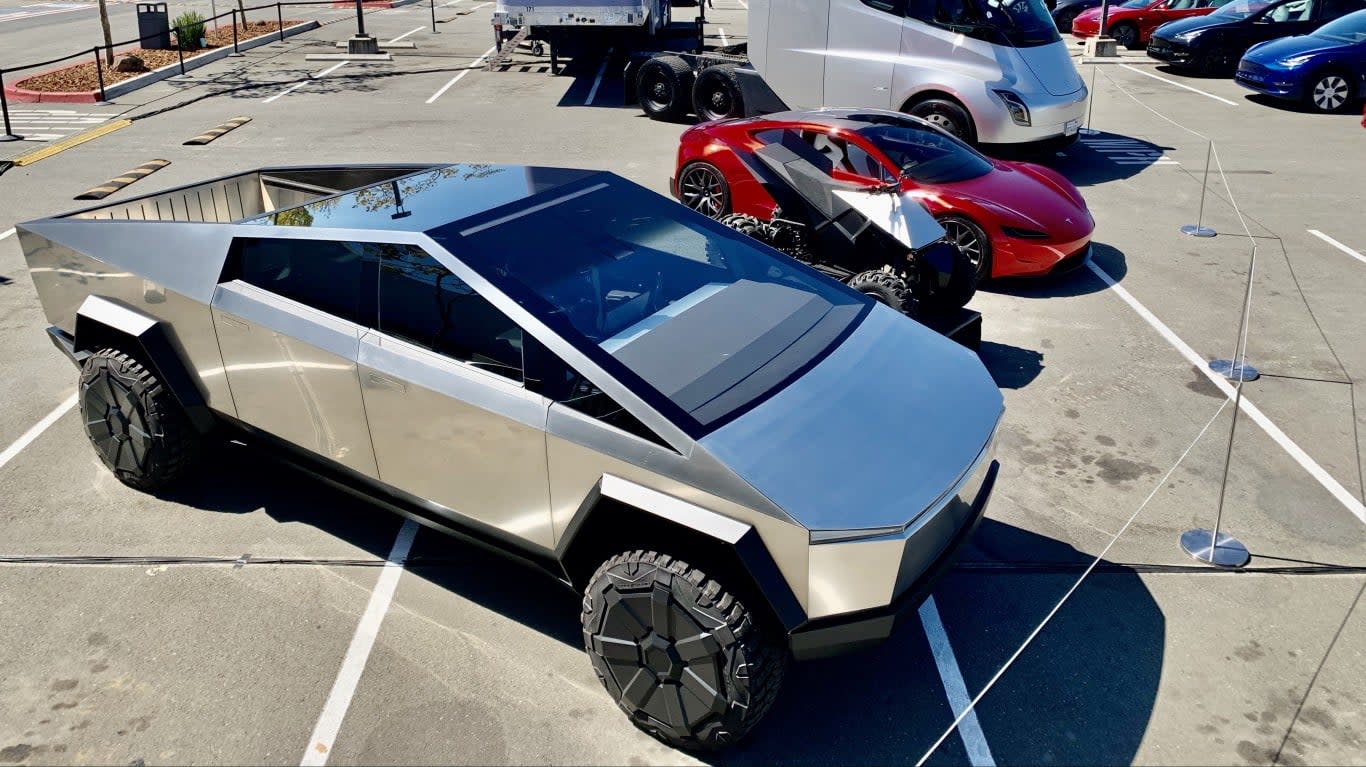
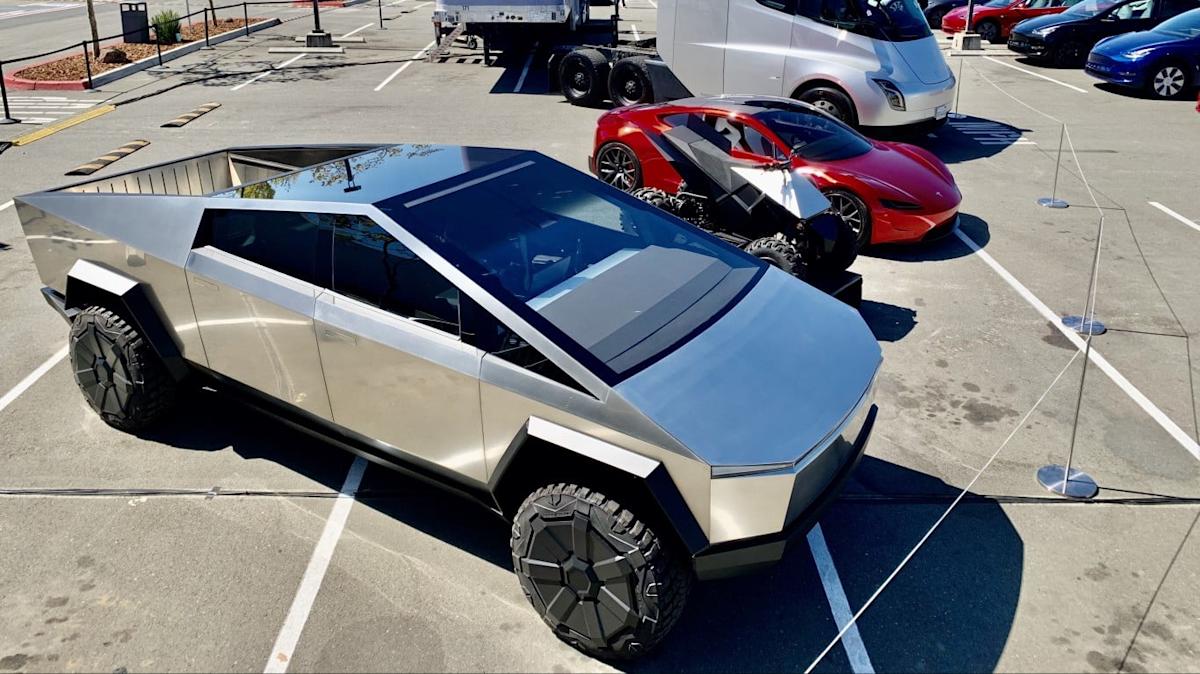
SpaceX Was Buying Cybertrucks in Bulk. Tesla Didn’t Tell Anyone.
Images
1 / 4
2 / 4

3 / 4

4 / 4
The above button links to Coinbase. Yahoo Finance is not a broker-dealer or investment adviser and does not offer securities or cryptocurrencies for sale or facilitate trading. Coinbase pays us for certain activity generated through this link. Prices displayed are informational.

Tesla (NASDAQ:TSLA) shareholders are about to start asking a pointed question: why did they have to find out from outside reporting that SpaceX was purchasing Cybertrucks in bulk, as Bloomberg is reporting?>

Elon Musk controls both companies, which makes any commercial arrangement between them a textbook related-party transaction. Public companies are required to disclose material related-party deals so investors can assess whether terms are fair and whether one entity is subsidizing another. If SpaceX was buying Cybertrucks at scale, that revenue should have been flagged, contextualized, and disclosed. The fact that it apparently was not is the story.

To me, this goes beyond the usual "Musk is distracted" complaint. It raises a structural question about whether Tesla's related-party disclosure practices are adequate for a company where the CEO runs multiple private and public entities simultaneously.

The timing matters. Tesla shares closed at $391.95 on April 15, down about 13% year-to-date, even as the stock bounced roughly 14% over the prior week. The company reported Q4 2025 net income of $840 million, down 64% year-over-year, and full-year 2025 revenue of $94.83 billion, down 3%. Investors are already scrutinizing every line.

READ: The analyst who called NVIDIA in 2010 just named his top 10 AI stocks

Prediction markets price a 61% probability that Tesla misses earnings on April 22.

As for this particular issue: Tesla shareholders have given Elon infinite "get out of jail free" cards over the years, and for the long-term holders of the stock, it's paid off in spades. What's one or two more amongst friends?

Wall Street is pouring billions into AI, but most investors are buying the wrong stocks. The analyst who first identified NVIDIA as a buy back in 2010 — before its 28,000% run — has just pinpointed 10 new AI companies he believes could deliver outsized returns from here. One dominates a $100 billion equipment market. Another is solving the single biggest bottleneck holding back AI data centers. A third is a pure-play on an optical networking market set to quadruple. Most investors haven't heard of half these names. Get the free list of all 10 stocks here.
Comments
You must be logged in to comment.