yahoo Press
Morning Bid: 'Let the oil flow'
Images
1 / 4
2 / 4

3 / 4

4 / 4
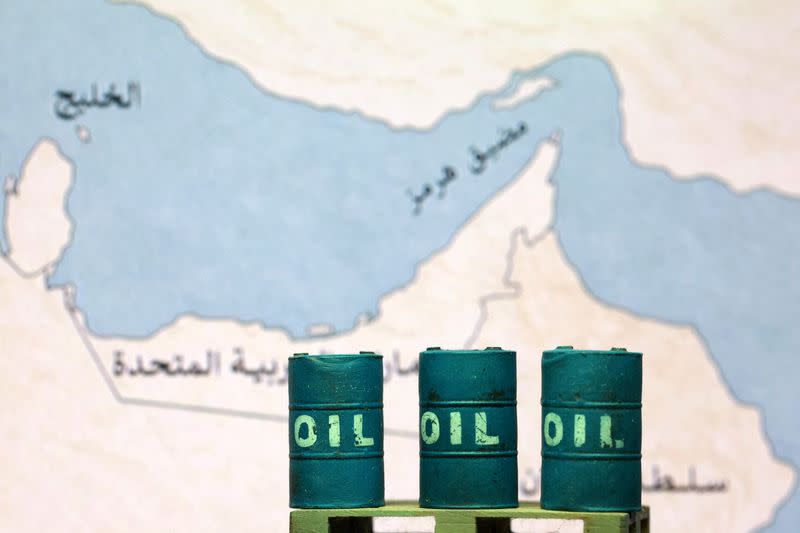
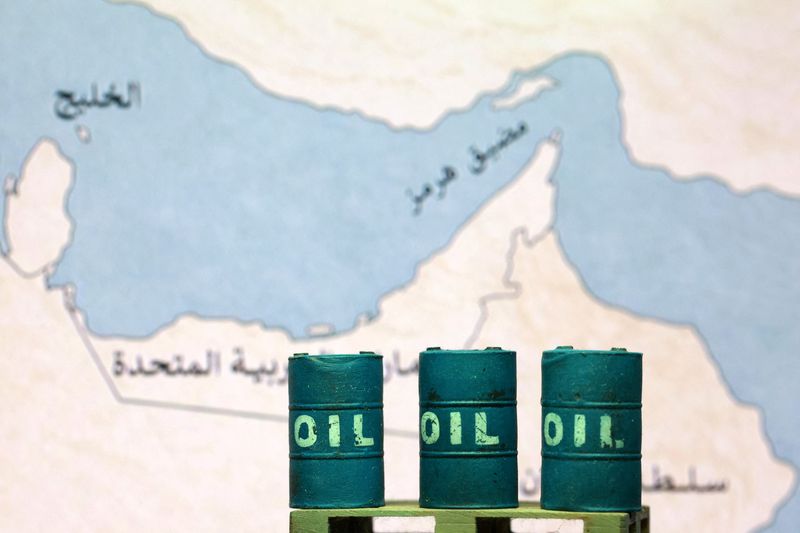
By Anna Szymanski June 15 (Reuters) - What matters in U.S. and global markets today By Anna Szymanski, Editor-in-Charge, Reuters Open Interest Global stocks surged and oil prices slid on Monday after the United States and Iran agreed on a preliminary peace deal. The memorandum of understanding should see the Strait of Hormuz reopen following more than three months of near-total disruption that upended the global energy market. U.S. President Donald Trump and Pakistani Prime Minister Shehbaz Sharif announced a deal had been struck late on Sunday. But the agreement - scheduled to be signed on Friday in Switzerland - leaves many questions unanswered, suggesting market celebrations may prove premature. I’ll get into that and more below. But first, listen to the latest episode of the Morning Bid daily podcast - a special edition on the market implications of the U.S.-Iran deal. Subscribe to hear Reuters journalists discuss the biggest news in markets and finance seven days a week. 'LET THE OIL FLOW' The precise terms of the U.S.-Iran MoU remain unclear, with details around thornier issues - such as Iran's nuclear programme - deferred to further negotiations during a 60-day ceasefire period. It's also unclear whether traffic through the strait will return to normal levels any time soon. President Trump wrote on social media that the strait would reopen toll-free and that the U.S. naval blockade would be removed, declaring: "Let the oil flow!" But actually restarting shut-in facilities and reorienting tankers will take time, while the entire episode has raised caution among shippers. But markets remain optimistic. Brent crude fell over 4% on news of the U.S.-Iran deal, trading at around $83 per barrel, its lowest level since early March. In Asia, equity markets in big net energy importers certainly welcomed the announcement, with Japan's Nikkei and South Korea's KOSPI both rising by 5%. Stateside, Wall Street futures were up over 1% before the bell, while in Europe, the STOXX 600 hit a record high. The prospect of the strait reopening should ease inflation expectations and temper rate-hike bets, which have surged as the three-month-old conflict has led to energy-driven price rises in economies around the world. Most recently, U.S. headline CPI topped 4% in May. U.S. Treasury yields fell on Monday, with the 10-year yield touching a one-month low, helping drag the dollar lower. This news is coming ahead of a big week for central banks. The possibility that the energy squeeze will now ease could strengthen the hand of dovish policymakers - potentially including new Federal Reserve Chair Kevin Warsh. The Fed is set to meet on Wednesday in what will be the new chair's debut meeting, where policymakers are expected to leave rates unchanged at 3.50%-3.75%. The messaging at the meeting will be scrutinized as investors seek to determine how Warsh will steer the central bank now that he's at the helm. Warsh is widely seen as favouring loosening policy in the near term, while an increasing number of FOMC members have recently pushed back against the "easing bias" in the Fed's policy language. News of the preliminary U.S.-Iran deal will no doubt impact that debate, though a series of robust U.S. jobs prints, most recently May's non-farm payrolls, is likely to keep the heat on. Up first on this week's central bank docket, though, is the Bank of Japan, which will meet on Tuesday and is expected to raise rates to 1%, a 31-year high. Meanwhile, the Bank of England is expected to keep rates unchanged when it meets on Thursday. Moving back to equities, investors will watch Elon Musk’s SpaceX closely this week to see how the recently listed rocket maker trades after its 19% rise on Friday. Also on the slate for this week is the G7 summit, which kicked off in France today, and May inflation releases from the UK and euro zone. In the UK, Thursday will also bring an important by-election that could set up a head-to-head leadership contest between Prime Minister Keir Starmer and Greater Manchester mayor Andy Burnham. Chart of the day Brent crude fell to its lowest point since early March on Monday, sliding over 4% to around $83 per barrel after the announcement of the U.S.-Iran memorandum of understanding. Oil prices had been rangebound under $100/bbl for several weeks as markets took the view that a peace deal was likely on the horizon, despite repeated military flare-ups in the Middle East. Today's events to watch • U.S. May industrial production (9:15 a.m. EDT) • G7 leaders meet in France Want to receive the Morning Bid in your inbox every weekday morning? Sign up for the newsletter here. You can find ROI on the Reuters website, and you can follow us on LinkedIn and X. Opinions expressed are those of the author. They do not reflect the views of Reuters News, which, under the Trust Principles, is committed to integrity, independence, and freedom from bias. (By Anna Szymanski; Additional writing by Al Reed; Editing by Louise Heavens)
Comments
You must be logged in to comment.