yahoo Press
Sonic booms from meteors can release the energy of hundreds of tons of TNT – here’s how they work
Images
1 / 8
2 / 8

3 / 8

4 / 8
5 / 8
6 / 8

7 / 8

8 / 8
As humans, we live out our lives on a planet that is constantly sweeping through a cosmic ocean littered with ancient debris from the formation of the solar system. For the most part, our world glides silently through space, shielded by Earth’s thin atmosphere.

Occasionally, however, the rest of the universe reminds us of its presence with stunning, visceral clarity.

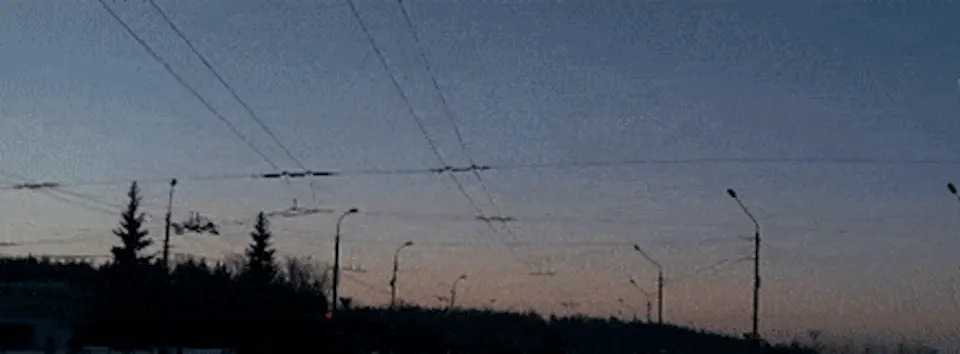
Residents along the Massachusetts–New Hampshire border were startled by a sudden sonic boom on the afternoon of May 30, 2026. A large number of people up and down the Eastern Seaboard witnessed it.

After NASA analyzed imagery from weather satellites, they identified the culprit as a small meteor measuring roughly 3 to 5 feet (1 to 2 meters) across. It was screaming through space at an astonishing 42,000 miles per hour (68,000 kilometers per hour) when it plunged into Earth’s upper atmosphere.

Friction between the meteor and the increasingly dense air quickly turned the kinetic energy of the rock shooting through the sky into blistering heat. At an altitude of roughly 40 miles (60 kilometers), the immense heat and pressure overcame the structural integrity of the meteor, causing it to fragment in a brilliant flash.

The breakup released a staggering burst of energy equivalent to 300 tons of TNT. When an object travels through the air at speeds faster than sound, which is 761 mph (1,225 kph), it creates a shock wave creating a thunderous clap, or sonic boom. While the majority of the rock vaporized, the remaining fragments rained down harmlessly into the waters of Cape Cod Bay.

In the past, such an event might have passed as an unverified sighting in the daytime sky. Today, however, our planet is wired with an accidental network of planetary defense sensors: dashboard cameras, security systems and digital doorbells.

Because meteor entries like this one last only a few fleeting seconds, they were easily missed in the past. Now, our collective digital eyes capture these spontaneous cosmic intrusions almost instantly, bringing the universe directly into our daily news feeds. While dramatic, these events are more common than most people imagine.

As someone who has worked as a planetarium director and astronomy educator for over four decades, I often get emails, social media messages and phone calls about such objects and sightings. While hearing a sonic boom can be a bit unsettling or even shocking, it reminds us we live in an active universe and may want to occasionally look up instead of down at our devices.

The Cape Cod fireball was the latest sighting in an active season of meteoritic arrivals. Just months earlier, the solar system seemed to be sending a parade of rocky objects down to Earth.

From March 8-11, observers in Northern Europe witnessed large, slow-moving fireballs in their skies. Enthusiasts and scientists successfully recovered several fragments. Lab analysis of these specimens revealed their place in a fascinating lineage – scientists determined that they had originated from Vesta, a massive, pristine asteroid orbiting between Mars and Jupiter.

On March 17, a 7-ton asteroid measuring roughly 6 feet across entered the atmosphere directly over Lake Erie. Traveling at 45,000 mph (72,400 kph), it generated a brilliant daytime flash and a powerful sonic boom, unloading an energy equivalent to 250 tons of TNT. NASA scientists published data about its trajectory, allowing meteorite hunters to recover pristine fragments in Valley City, just a short drive from Cleveland, Ohio.

Only four days later, on March 21, another cosmic fragment blazed across the skies of Texas. This object was about 3 feet wide, and it traveled at 35,000 mph (56,300 kph), releasing the energy of roughly 26 tons of TNT.

Outside of Houston, homeowner Sherri James was startled by a sudden crash, only to discover a 6-inch (15-cm) hole in her roof and a small piece of the solar system resting on her floor.

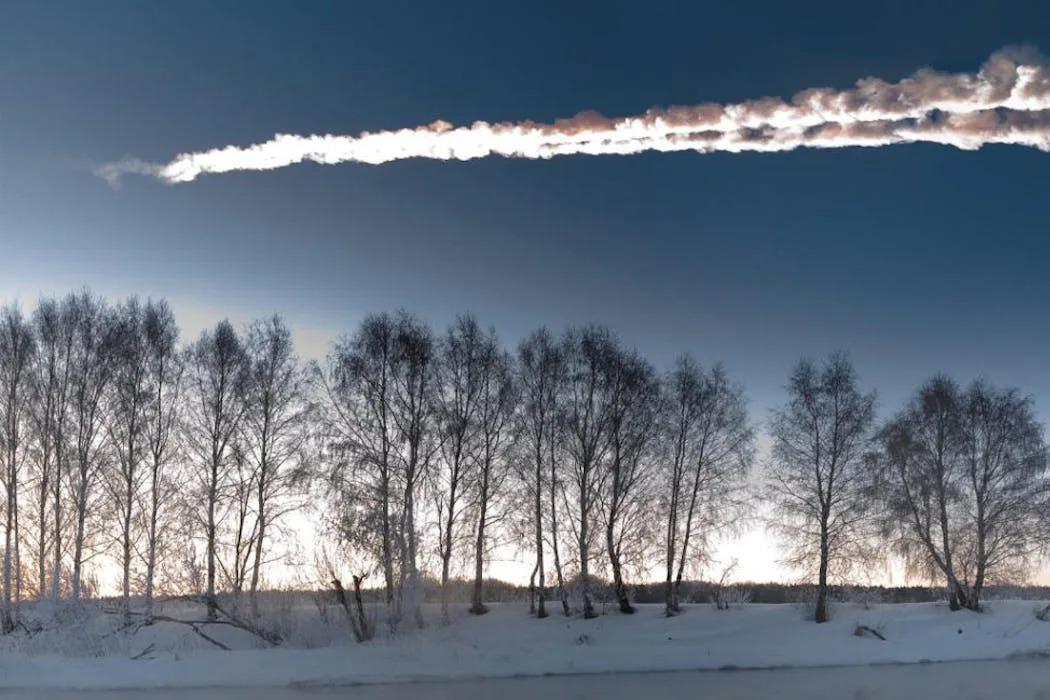
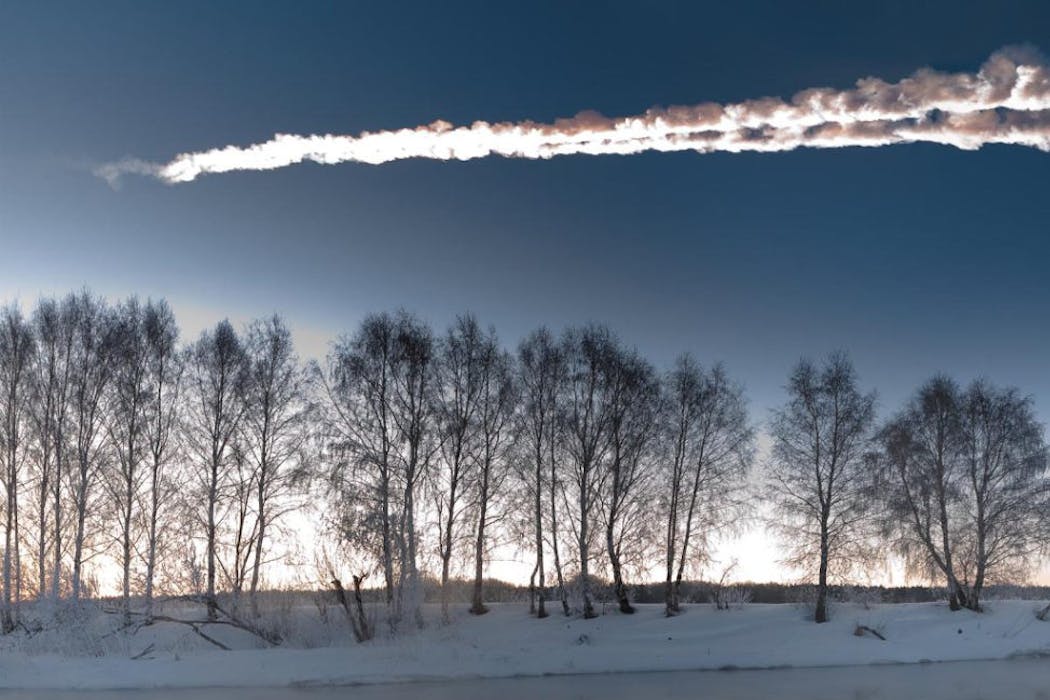
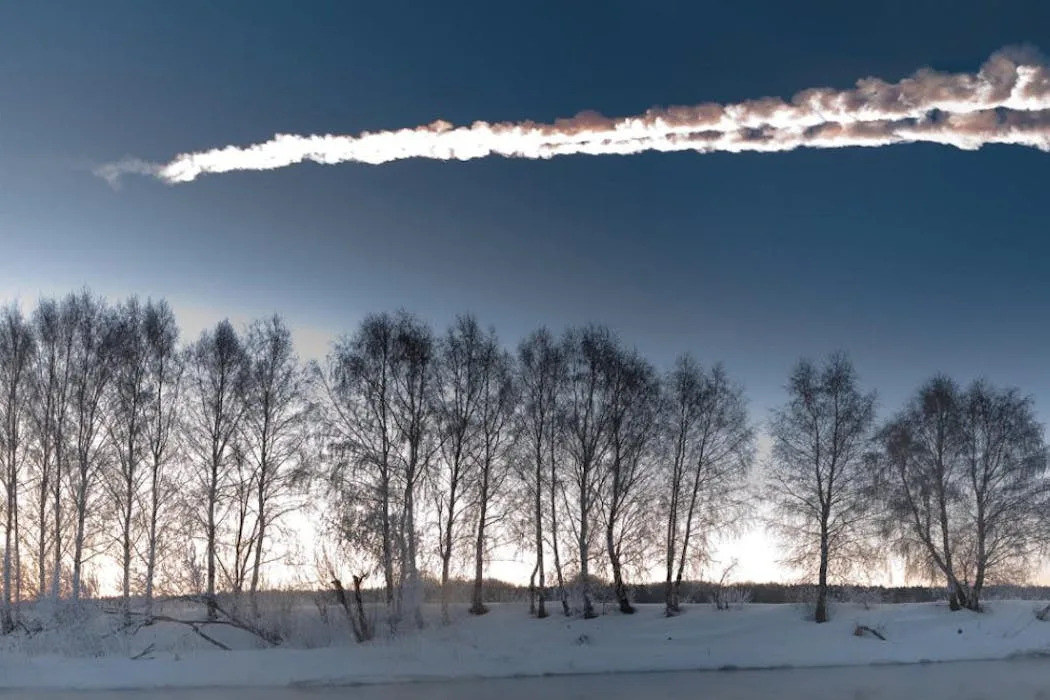
The benchmark for modern atmospheric impacts is the Chelyabinsk meteor, which exploded over Russia on Feb. 15, 2013.

That object was significantly larger than any of the meteors researchers have observed in 2026, measuring 60 feet (18 m) across and weighing roughly 10,000 tons. When it shattered 18 miles (29 km) above the ground, it produced an airburst with an explosive force 30 times greater than the Hiroshima atomic bomb.

The resulting shock wave shattered glass across hundreds of square miles, injuring nearly 1,500 people and registering as a seismic event between 2.7 and 3.7 on the Richter scale. The incident was a stark reminder that while Earth’s atmosphere is an incredibly effective shield, absorbing the lion’s share of cosmic impacts, a large enough kinetic punch can still reach the surface below.

Despite the dramatic stories around these meteor impacts, history shows that the cosmic lottery rarely targets humans directly. In all of recorded history, there is only one universally confirmed case of a person being directly struck by a space rock.

In 1954, an 8.5-pound (3.8 kg) meteorite crashed through the roof of a house in Sylacauga, Alabama, ricocheted off a heavy wooden radio and struck a sleeping woman named Ann Hodges. Though it left a severe bruise on her hip, the radio absorbed the brunt of the impact. Had it not been for the radio, there is a chance she could have been seriously injured or killed by this object.

So, are you in any imminent danger from meteors? The mathematics of the cosmos provide profound reassurance. The statistical odds of being struck by a meteorite are vanishingly small. You stand a better chance of winning a multimillion-dollar lottery jackpot 10 times in a row than ever being hit by a meteorite.

The vast majority of the tons of space debris that bombard Earth daily arrive as harmless dust grains, burning up as elegant meteors or shooting stars. But when the larger pieces do break through and land on our planet, they offer a rare, tangible connection to the beginning of the solar system.

If you ever happen to witness one of these magnificent fireballs ripping open the sky, consider reporting your observation to the American Meteor Society. The organization keeps track of sightings and falls from around the globe. Recovered fragments provide a way for scientists to gain valuable information about the origin of our solar system, and of our home planet.

This article is republished from The Conversation, a nonprofit, independent news organization bringing you facts and trustworthy analysis to help you make sense of our complex world. It was written by: Shawn Laatsch, University of Maine

Read more:

I found a new meteor shower, and it comes from an asteroid getting broken down by the Sun

NASA’s asteroid sample mission gave scientists around the world the rare opportunity to study an artificial meteor

Why the meteorites that hit Earth have less water than the asteroid bits brought back by space probes – a planetary scientist explains new research

Shawn Laatsch does not work for, consult, own shares in or receive funding from any company or organization that would benefit from this article, and has disclosed no relevant affiliations beyond their academic appointment.
Comments
You must be logged in to comment.